What Affects the Cost of a Dental Crown
The cost of a crown depends on the material chosen, the laboratory work involved, and whether the tooth needs a build up or root canal treatment first. Coverage also plays a large part.

Dr. Kyle Lesko

The quick version
The material the crown is made from is the single biggest factor.
Whether the tooth needs a build up or root canal treatment first changes the total.
Laboratory work varies, and a front tooth usually takes more of it than a molar.
Your coverage, including CDCP or a workplace plan, often changes what you actually pay.
The cost of a dental crown is not one fixed number, because a crown is not one fixed procedure. What you pay depends on the material, how much work the tooth needs before the crown can be placed, how much laboratory craftsmanship the case calls for, and what your coverage contributes. This article explains each of those factors so the estimate you receive makes sense. At TLC Family Dental Centre in Leduc, Dr. Kyle Lesko provides a clear written estimate after an exam, because the honest answer to what a crown costs depends on looking at the tooth first.
The material makes the largest difference
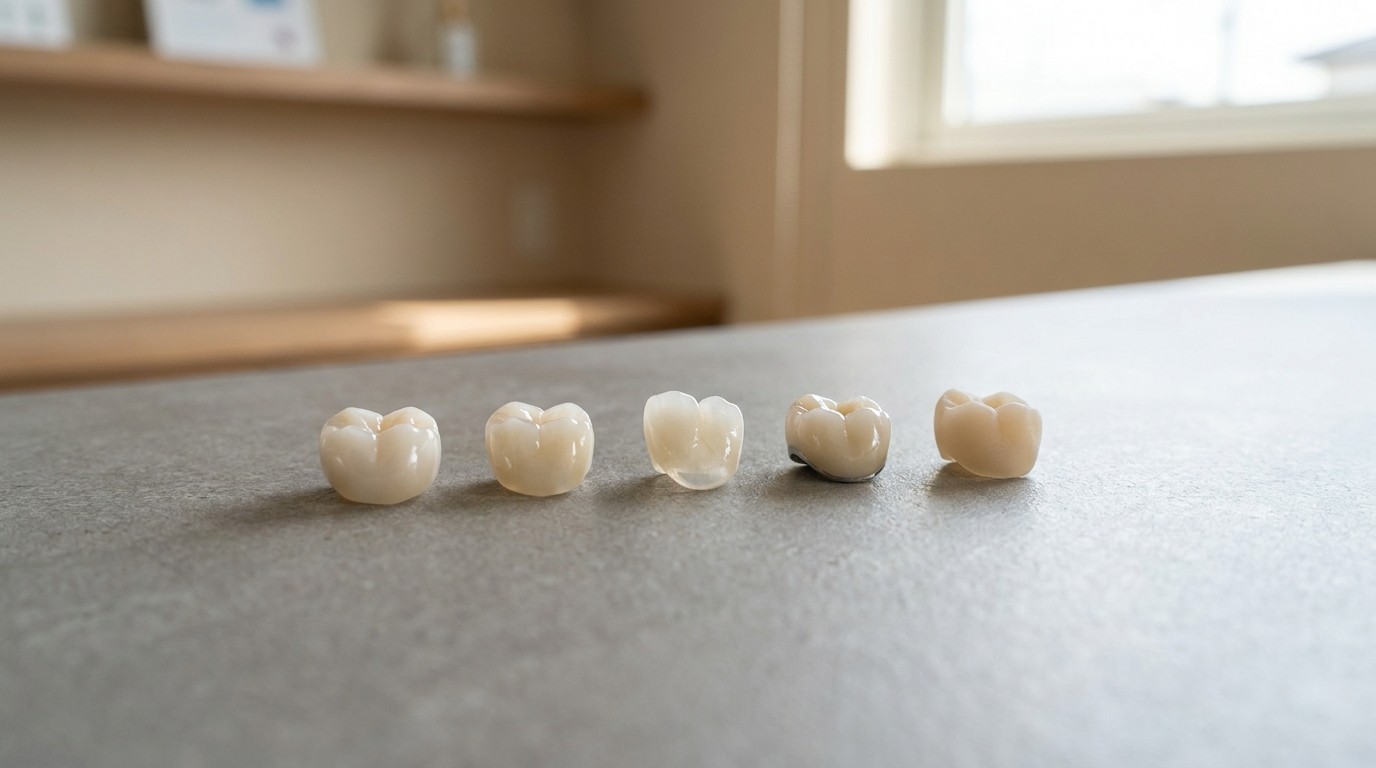
Crowns are made from several different materials, and they are not interchangeable. Each has a set of situations where it performs best.
The choice is clinical before it is financial. A back molar takes heavy chewing forces and needs strength. A front tooth is seen every time you speak, so it needs to handle light transmission the way natural enamel does. Choosing a material purely on price can cost more in the long run if the crown does not suit the job it has to do.
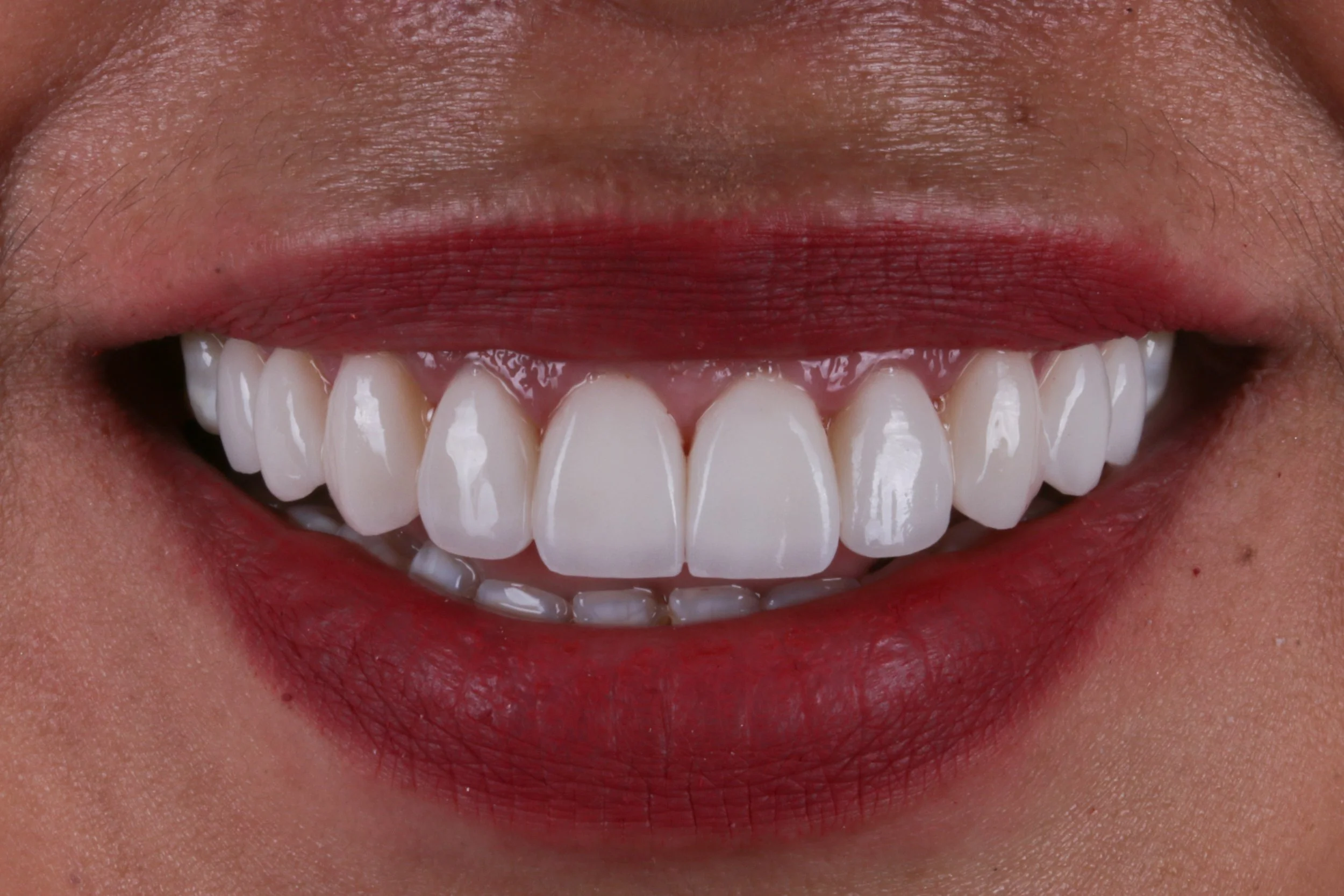
All ceramic and porcelain crowns look the most natural and are commonly chosen for front teeth.
Zirconia is very strong and often chosen for molars where chewing force is highest.
Porcelain fused to metal combines a metal substructure with a ceramic outer layer.
Gold and other metal alloys are extremely durable and gentle on the opposing tooth, though the appearance rules them out for many people.
What the tooth needs before the crown
A crown is often the last step rather than the only step, and the preparation work affects the total.
If decay has reached the nerve, root canal treatment is needed before the crown. If a large amount of tooth structure is missing, a build up is placed to give the crown something to hold. If the tooth has fractured below the gum line, the gum may need reshaping first. None of these are add ons invented at the appointment, they are what the tooth requires in order for a crown to last.
This is also why an estimate given over the phone before anyone has looked at the tooth is not worth much. The same tooth in two different mouths can need very different amounts of work.
Laboratory work is real work
A crown is fabricated by a dental technician from the impression taken at your appointment. The amount of skilled handwork varies with the case. Matching a single front tooth to its neighbour, so the shade and translucency read as natural, is a significantly more demanding job than building a molar crown that nobody will see.
Some cases need a shade appointment or a try in stage before the crown is finished. That is additional laboratory time and it is the reason a front tooth crown often differs from a back tooth crown.

How coverage changes the picture
Most people are asking about cost because they want to know what they will actually pay, and that is a coverage question as much as a treatment question.
Crowns are usually classed as a major restorative service rather than a basic one, which means plans often cover them at a different percentage than fillings, and annual maximums come into play. The Canadian Dental Care Plan covers eligible patients for a range of services, with a co payment that depends on household income. Workplace plans vary widely in both percentage and annual limit.
TLC offers direct billing, so where your plan allows it we bill them directly and you settle only the remaining portion.
We are accepting patients covered by the Canadian Dental Care Plan.
Asking your plan about the annual maximum before treatment starts is worthwhile, especially if other work is planned in the same year.
Why a written estimate comes after the exam
An exam, and usually an x ray, is what shows how much healthy tooth remains, whether the nerve is involved, and how the tooth meets its neighbours. Only then can the material and the sequence be decided, and only then can the numbers be accurate.
After the exam you receive a written estimate that sets out what is proposed, so you can review it, check it against your plan, and ask questions before agreeing to anything. Nobody should be committing to treatment they have not seen written down.
When waiting costs more
It is a reasonable instinct to delay treatment that is not hurting. With a cracked or heavily broken down tooth, though, delay often moves the tooth from one category of treatment to a more involved one.
A tooth that could have been crowned can become a tooth that needs root canal treatment first, and a tooth that fractures below the gum line may not be restorable at all. If cost is the reason for hesitating, it is worth having the conversation rather than waiting, because there are usually options in sequencing.
Common questions
Why will the office not quote a crown over the phone?
Because the honest answer depends on the tooth. The material, whether a build up or root canal treatment is needed, and how much healthy structure remains all change the plan. An exam allows a written estimate that will still be accurate on the day of treatment.
Does the Canadian Dental Care Plan cover crowns?
CDCP covers a range of services for eligible patients, with a co payment based on household income, and some services require preauthorization. TLC is accepting CDCP patients and can help you understand how your coverage applies to the treatment being proposed.
Is a more expensive crown material always better?
No. The right material depends on which tooth it is, how much force it takes, and how visible it is. A strong material suited to a molar is not automatically the best choice for a front tooth, and the reverse is also true.
Will my plan cover the whole thing?
That depends on your plan's percentage for major restorative services and your annual maximum. Direct billing means we bill your plan where possible so you are not paying up front and waiting for reimbursement.
Can treatment be spread out?
Often yes, depending on what the tooth needs and how urgent it is. Talk to us about sequencing rather than postponing indefinitely, because delay can turn a straightforward crown into a more involved treatment.
If you want to understand what a crown would involve for your particular tooth, the team at TLC Family Dental Centre in Leduc can help. Dr. Kyle Lesko will examine the tooth, explain which materials suit it and why, and provide a clear written estimate after your exam so you can make the decision with full information. Book online or call us at 780.980.5115.
About
Featured Posts




Explore Topics