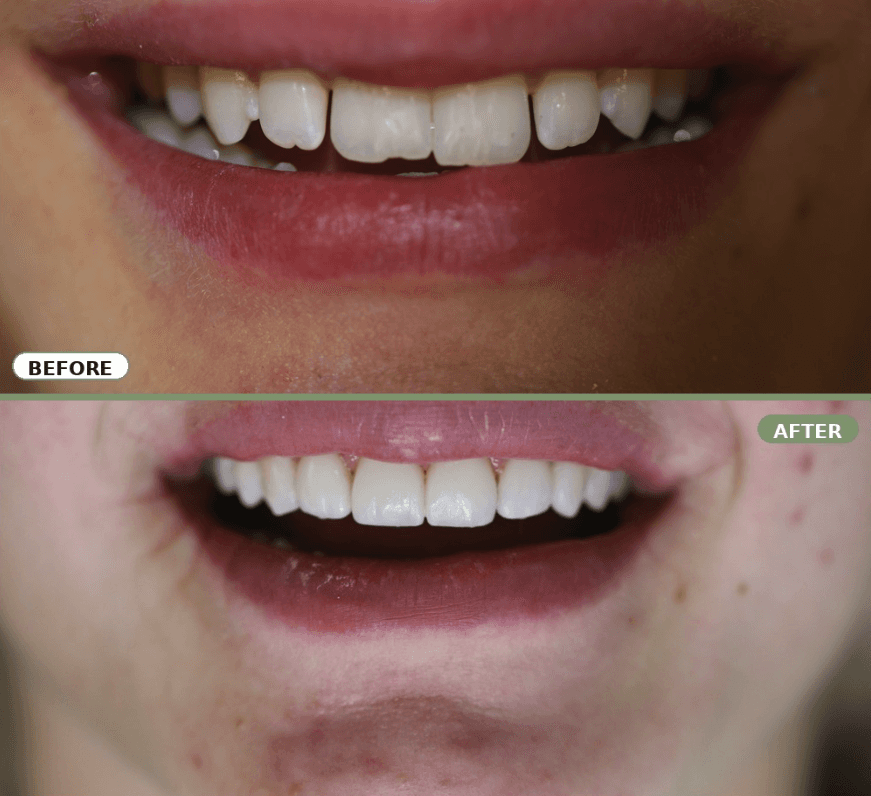

Getting a Filling: How Long It Takes and What to Expect
How long a filling takes depends on your tooth and your dentist's plan, and the dental and health authorities we checked give no set number of minutes, so a helpful first step is to ask the office how long your appointment is booked for when you call.

Dr. Kyle Lesko

The quick version
How long does a filling take? No dental or health authority we checked gives a number of minutes, so ask the office how long your appointment is booked for when you call.
MyHealth Alberta says your dentist numbs (freezes) the area, drills out the decay and puts in a filling. The American Dental Association (US) says to tell your dentist if you feel pain even with a local anaesthetic.
MyHealth Alberta says your lips and gums may stay numb for a few hours, so be careful not to chew on a numb lip or cheek. It also says a filled tooth may be sensitive to heat and cold for days to weeks.
Tell your dentist if sensitivity lasts longer than you expect, gets worse or hurts when you bite. Cleveland Clinic (US) says to call right away for severe pain that doesn't go away with medication, a swollen face or jaw, or fever.
How long a filling takes depends on your tooth and your dentist's plan, and the dental and health authorities we checked give no set number of minutes, so a helpful first step is to ask the office how long your appointment is booked for when you call.
Below, we walk through the steps of a filling, what you may feel, how long the numbness lasts and when to call. This is general education, not a personal diagnosis. If you're unsure whether you need a filling, our guide to the signs of a cavity can help, and your dentist can confirm. Dr. Kyle Lesko and our team welcome patients from Leduc and the greater Edmonton area.
How long does a dental filling take?
The Canadian Dental Association tells patients to ask their dentist how long a recommended treatment will take, and no dental or health authority we checked gives a number of minutes for a filling. So when you call, ask how long your appointment is booked for. The answer depends on your tooth and your dentist's plan.
The filling material can matter too. As general information, the American Dental Association (US) says placing a composite filling, which matches your tooth colour, generally takes longer than placing a metal one, because the tooth has to be kept clean and dry. MyHealth Alberta says gold fillings make a procedure take longer and ceramic fillings may need several appointments.
What to ask when you book
How long is my appointment booked for?
Will it take more than one visit?
Which material is planned, and does that change the time?
What happens during a filling, step by step?
MyHealth Alberta says your dentist numbs (freezes) the area, drills out the decay and puts in a filling. Cleveland Clinic (US) adds finishing steps such as polishing and checking your bite. The table draws on those and other sources and describes general dentistry, not one office's routine.
Stage | What your dentist is doing |
|---|---|
1. Freezing | Numbs (freezes) the area. |
2. Removing the decay | Opens the tooth and removes the decayed material with a drill and other instruments, sometimes taking a bit of healthy tooth to reach it, then rinses and cleans out any debris. |
3. Placing and shaping | Fills the hole with a material and restores the tooth to its original shape. For resin composite, a curing light hardens the material. |
4. Polishing | Polishes and smooths any rough edges. |
5. Checking the bite | Checks that your bite feels normal. |
Table sources: MyHealth Alberta (Dental Fillings, adapted December 2025, and Tooth Decay, 2025), the University of Toronto Faculty of Dentistry (Cavities, posted 2018) and Cleveland Clinic (US, updated May 2024), checked October 2026.
What will you feel during a filling?
The American Dental Association (US) says a local anaesthetic works by blocking the nerves that sense or transmit pain, which numbs the tissues in a specific area of your mouth. On its anxiety page, it also says to tell your dentist if you feel pain even with a local anaesthetic, so speak up during the visit.
The University of Toronto Faculty of Dentistry says the needle is placed close to the nerve that supplies the area being treated, and that dentists sometimes numb the injection site first with a topical anaesthetic gel. MyHealth Alberta says that if the sound of a drill bothers you, you can ask your dentist if they have music and headphones, or bring your own audio player and headphones.
If needles or the drill make you nervous
The Canadian Dental Association says your first step is to talk to your dentist and explain your concerns or fears. We also offer oral sedation for anxious patients, a prescribed calming pill taken before the appointment. You stay awake and able to respond, and Dr. Lesko reviews your health history and medications first to confirm it is a safe fit.
How long does the numbness last, and what should you avoid until it wears off?
MyHealth Alberta says your lips and gums may stay numb (frozen) for a few hours after a filling, until the numbing medicine wears off. Until then, be careful not to chew on your numb lip or cheek. The University of Toronto Faculty of Dentistry adds that the lips and gums stay numb for longer than the teeth.
The Faculty of Dentistry page also says:
Be careful not to bite your lip or tongue, which is especially important for children.
Take care with hot drinks: if you burn yourself while numb, you won't know until later.
If you're unsure about eating or drinking while you're still numb, ask your dentist before you leave.
Is it normal for a tooth to be sensitive after a filling?
It can be. MyHealth Alberta says a filled tooth may be sensitive to heat and cold for days to weeks after you get the filling. Other health services give different windows, so no single number fits everyone. Tell your dentist if it lasts longer than you expect, gets worse, or hurts when you bite.
Health sources say you may notice:
Numb lips and gums for a few hours (MyHealth Alberta).
Sensitivity to heat and cold for days to weeks (MyHealth Alberta).
More sensitivity with something sweet, hot or cold, and advice to see your dental professional again if it lasts after a few days (Healthdirect Australia).
Minor sensitivity and gum soreness that should go away in a week or two (Cleveland Clinic, US).
These windows are guides, not deadlines, so call sooner if you're worried. For causes of cold sensitivity in general, see why teeth turn sensitive to cold.
When should you call your dentist after a filling?
MyHealth Alberta says to tell your dentist if discomfort lasts longer than you expect after biting, or if your teeth are too sensitive after a filling. These problems can usually be treated. It also says an abscessed tooth, whose symptoms include throbbing pain, swelling in the jaw or face and a fever, needs treatment right away.
Call your dentist if:
The discomfort lasts longer than you expect, or the tooth is too sensitive.
The sensitivity gets worse.
It hurts when you bite.
When to get care right away
Cleveland Clinic (US) says to call your dentist right away if your filling breaks or you develop severe pain that doesn't go away with medication, a swollen face or jaw, or fever, chills or other signs of infection. If a filling or crown has already come out, see what to do when a filling falls out.
How long do fillings last?
MyHealth Alberta says that over a long period of time you may need to replace a filling that has worn out. It gives no number of years, and we found no Canadian health authority that does, so there is no fixed number to quote.
On choosing a filling material, the American Dental Association (US) says your dentist considers materials on an individualized basis, taking into account the size and location of your cavity. It lists how long the filling could last among the other factors you might want to consider.
Frequently Asked Questions
Does getting a filling hurt?
The American Dental Association (US) says a local anaesthetic blocks the nerves that sense or transmit pain in the area being treated, and that you should tell your dentist if you feel pain even with one. No dental or health authority we checked describes the feeling stage by stage, so speak up if something doesn't feel right.
Why does my bite feel uneven after a filling?
Cleveland Clinic (US) says pain when biting down can occur if a new filling interferes with your bite, and your dentist can fix this by reshaping the filling. MyHealth Alberta says to tell your dentist if discomfort lasts longer than you expect after biting, and that these problems can usually be treated.
Could I need a crown or a root canal instead of a filling?
MyHealth Alberta says that if tooth decay is too close to the nerve, you may need a root canal treatment or have the tooth removed. It adds that a crown treats teeth that have broken or decayed so much that a dentist cannot fix them with a filling. Our guide covers when you need a dental crown.
Can grinding or clenching damage a filling?
The Canadian Dental Association says prolonged teeth grinding or jaw clenching can lead to cracked or broken teeth, broken crowns and fillings, and greater stress on your jaw joints and muscles. If you grind or clench, tell your dentist, and see our guide to teeth grinding and jaw pain.
Talk it through with Dr. Kyle Lesko in Leduc
If you think you need a filling, or a recent one doesn't feel right, book online or call 780.980.5115 and ask how long your appointment is booked for. You'll find Dr. Kyle Lesko and the team at TLC Family Dental Centre, 5209 Discovery Way #4 in Leduc, and patients are welcome from Leduc and the greater Edmonton area. Our new patients page lists what to bring, and you can read about general dentistry in Leduc too.
Sources
Checked in October 2026. Coverage rules and recommendations change, so confirm current details with the organisations below.
Dental Care FAQs, Canadian Dental Association
Treatment Concerns, Canadian Dental Association
Jaw Clenching and Teeth Grinding (Bruxism), Canadian Dental Association
Dental Fillings (Restorations), MyHealth Alberta
Tooth Decay, MyHealth Alberta
Dental Anxiety, MyHealth Alberta
Abscessed Tooth, MyHealth Alberta
Dental Crowns, MyHealth Alberta
Cavities: Preparing Teeth For Fillings, University of Toronto Faculty of Dentistry
Local Anaesthesia, University of Toronto Faculty of Dentistry
Composite Fillings, American Dental Association MouthHealthy (US)
Anesthesia and Sedation, American Dental Association MouthHealthy (US)
Anxiety, American Dental Association MouthHealthy (US)
Dental Filling Options, American Dental Association MouthHealthy (US)
Dental Fillings: Types, Materials and What They're For, Cleveland Clinic (US)
Dental fillings, Healthdirect Australia
About
Featured Posts


Explore Topics