All posts
All posts
All posts

How long a filling takes depends on your tooth and your dentist's plan, and the dental and health authorities we checked give no set number of minutes, so a helpful first step is to ask the office how long your appointment is booked for when you call.

As of October 2026, Hockey Canada says a mouth guard is compulsory in divisions that allow the half visor, while Hockey Alberta's Regulations let a local minor hockey association be more restrictive than Hockey Alberta, so whether your child needs a hockey mouthguard depends on the division and the association.

As of October 2026, MyHealth Alberta says thumb sucking is normal in babies and young children and usually isn't a problem at preschool age or younger, but that long-term thumb sucking after age 4 or 5 may cause dental problems, such as uneven teeth or teeth pushed outward.

Yes, you can go back, and going a year or more without a visit is not unusual: Statistics Canada's Canadian Oral Health Survey (November 2023 to March 2024) found that 28% of Canadians aged 12 and older reported they had not visited an oral health professional in the previous 12 months.

Whether your dental insurance is "use it or lose it" depends on your plan, because your plan decides when a yearly maximum starts over: Manulife says limits generally reset on the policy anniversary, often January 1st.

A first dental visit is short, gentle, and mostly about familiarity. Here is what happens, when to book it, and the words to use at home beforehand.
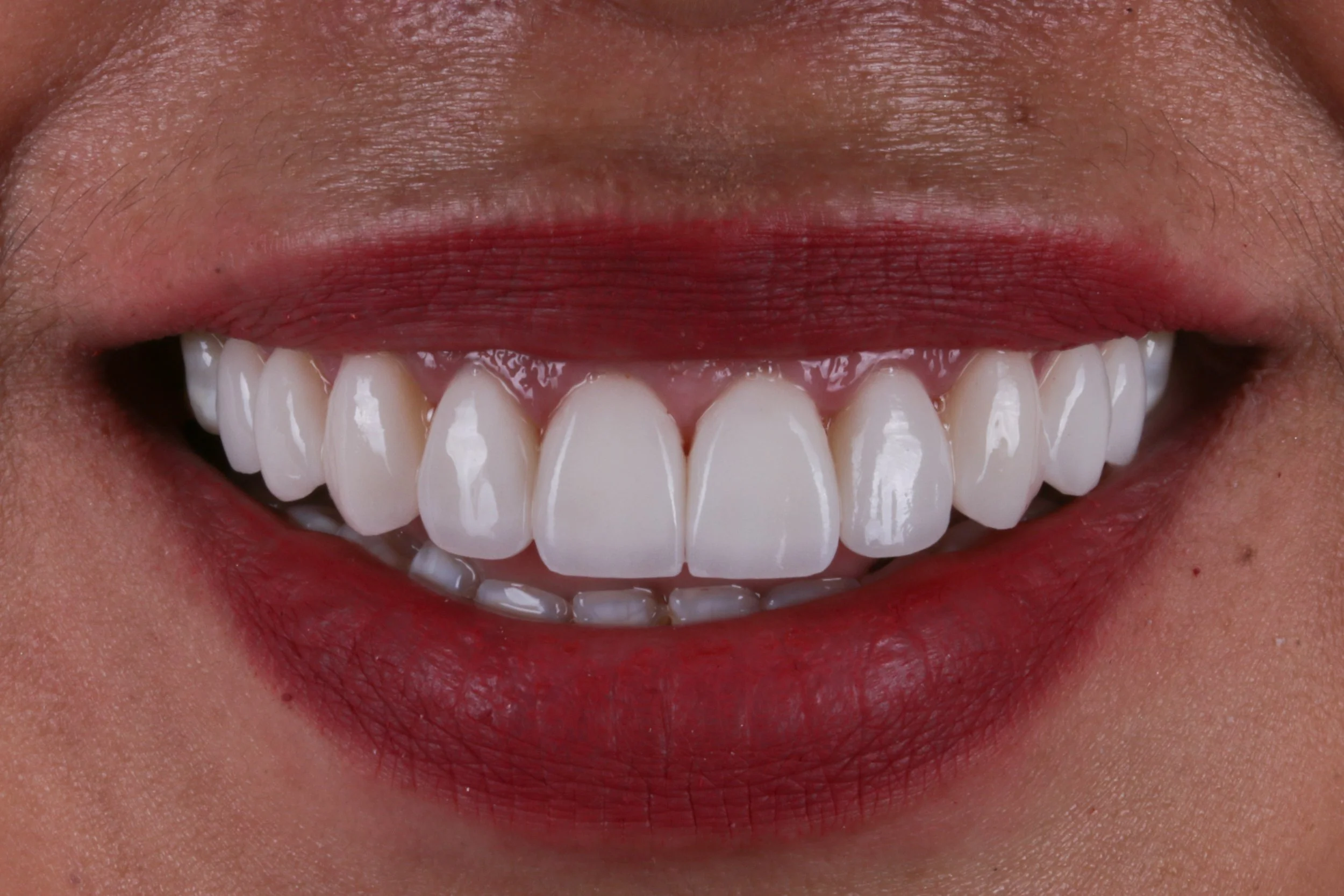
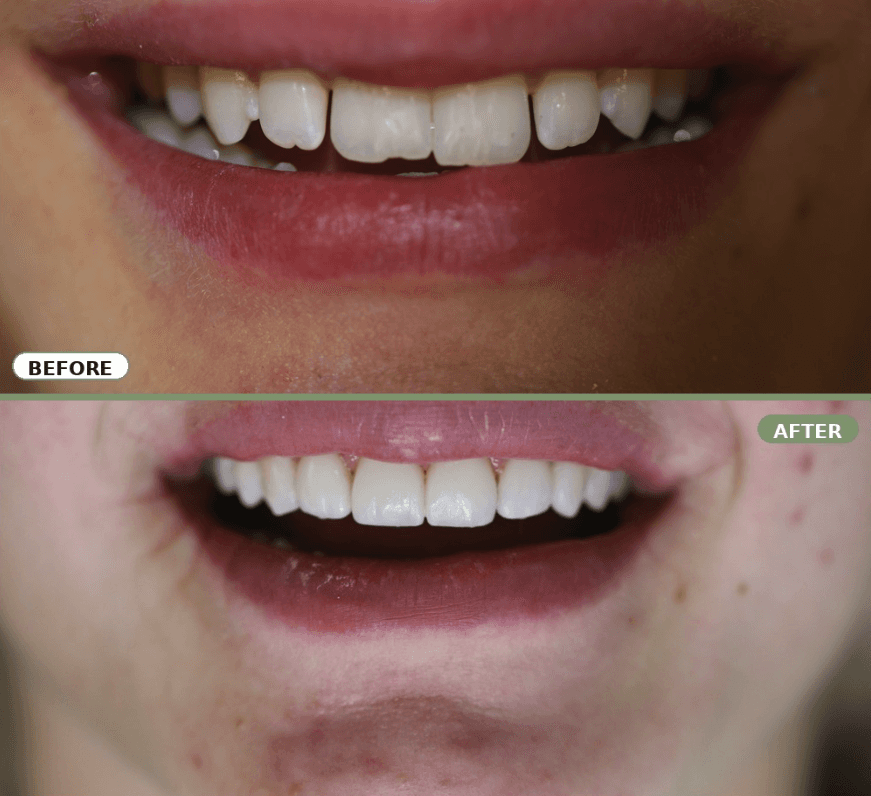
A smile makeover is usually a combination of treatments rather than one procedure. Knowing what each one changes makes it much easier to decide where to begin.

Some dental problems need care within hours, some within days, and a few belong at a hospital rather than a dental office. Here is how to tell them apart.

Choosing a dental office is mostly about fit. Here are the criteria worth checking, the questions worth asking on the phone, and the signs a practice suits your household.

As of October 2026, the answer is no: the Government of Canada's Dental Benefits Guide says the Canadian Dental Care Plan (CDCP) does not cover dental implants, crowns supported by implants or any implant-related procedure, and it lists them as exclusions that are not eligible for reconsideration.

Whitening results usually hold from several months up to around two years. Diet, smoking, and whether you top up at home make more difference than the treatment itself.

Two people can be quoted very different amounts for what sounds like the same dental implant. The difference usually comes down to what has to happen before the implant goes in, how many teeth are involved, and what goes on top.

Replacing one missing tooth with an implant happens in stages across several months, and most of that time is your own bone healing around the post rather than chair time.

A knocked out baby tooth and a knocked out adult tooth need opposite responses, and getting that wrong matters. Here is how to tell what is urgent when your child hurts, and what to do first.

Modern root canal treatment is done under full local anaesthetic and is usually no more uncomfortable than a filling. The pain people fear is the infection, not the treatment.
How long a filling takes depends on your tooth and your dentist's plan, and the dental and health authorities we checked give no set number of minutes, so a helpful first step is to ask the office how long your appointment is booked for when you call.
As of October 2026, Hockey Canada says a mouth guard is compulsory in divisions that allow the half visor, while Hockey Alberta's Regulations let a local minor hockey association be more restrictive than Hockey Alberta, so whether your child needs a hockey mouthguard depends on the division and the association.
As of October 2026, MyHealth Alberta says thumb sucking is normal in babies and young children and usually isn't a problem at preschool age or younger, but that long-term thumb sucking after age 4 or 5 may cause dental problems, such as uneven teeth or teeth pushed outward.
Yes, you can go back, and going a year or more without a visit is not unusual: Statistics Canada's Canadian Oral Health Survey (November 2023 to March 2024) found that 28% of Canadians aged 12 and older reported they had not visited an oral health professional in the previous 12 months.
Subscribe now to stay updated with top news!
Subscribe now to stay updated with all the top news, exclusive insights, and weekly highlights you won’t want to miss.
Subscribe now to stay updated with top news!
Subscribe now to stay updated with all the top news, exclusive insights, and weekly highlights you won’t want to miss.
Subscribe now to stay updated with top news!
Subscribe now to stay updated with all the top news, exclusive insights, and weekly highlights you won’t want to miss.