Smile Makeover Options in Leduc: Where to Start
A smile makeover is usually a combination of treatments rather than one procedure. Knowing what each one changes makes it much easier to decide where to begin.

Dr. Kyle Lesko
The quick version
A smile makeover is normally several treatments combined, not a single procedure.
Health comes first. Decay and gum disease are treated before cosmetic work begins.
Whitening, bonding, veneers, and alignment each solve different problems.
Starting with what bothers you most is usually more useful than starting with a treatment name.
A smile makeover is not one procedure, it is a plan that combines several treatments to address whatever is actually bothering you. That might be colour, shape, chips, spacing, alignment, or some mixture. Because the options overlap, it is easy to start by researching a treatment and end up with something that was never going to solve the thing you cared about. This guide works the other way around, from the concern to the option. TLC Family Dental Centre in Leduc offers whitening, bonding, veneers, and Invisalign clear aligners.
Health before appearance, always
Before any cosmetic work, active decay and gum disease are treated. This is not a delaying tactic, it is what makes the result last.
Veneers and bonding placed on teeth with untreated decay, or against inflamed gums, fail earlier and often look wrong within months as the gum line changes. Whitening over untreated decay is genuinely uncomfortable. A first appointment therefore starts with an examination of what is there, and the cosmetic conversation follows it.
If the concern is colour
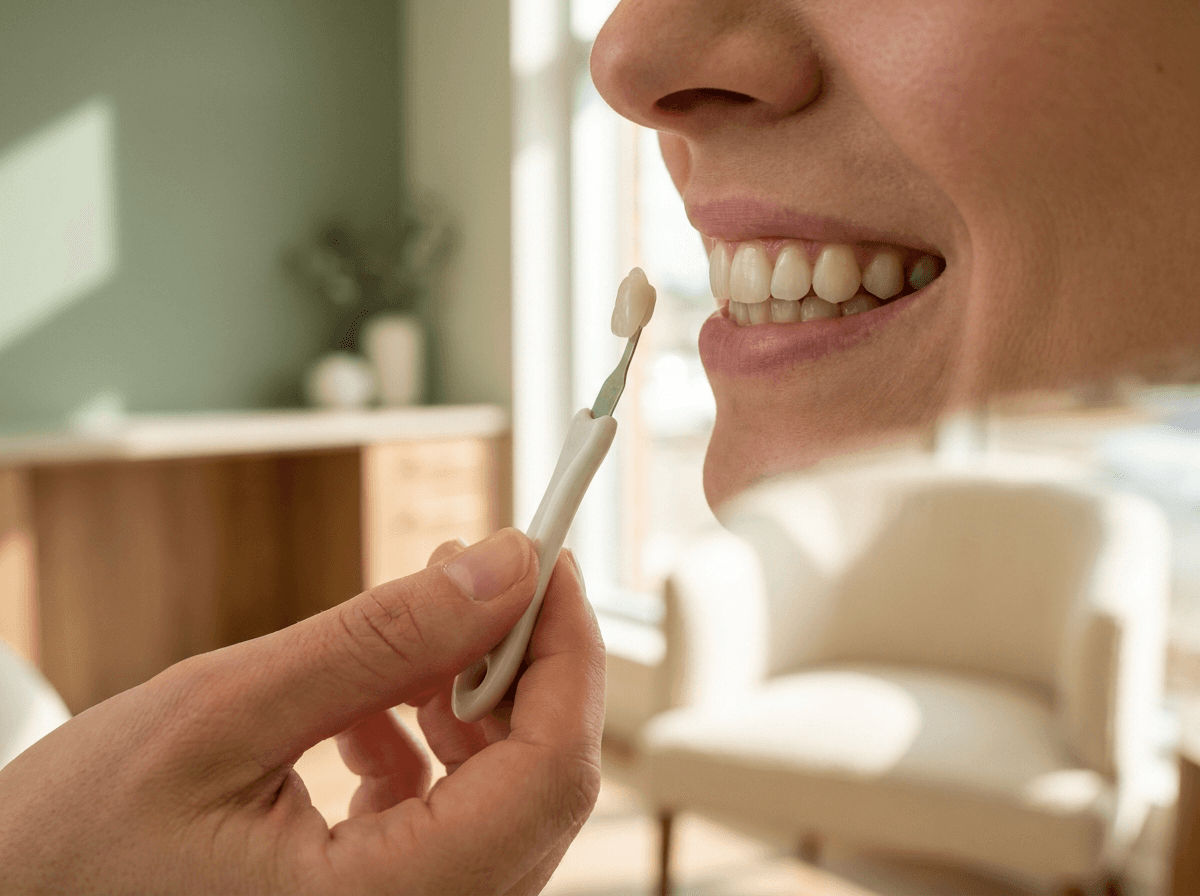
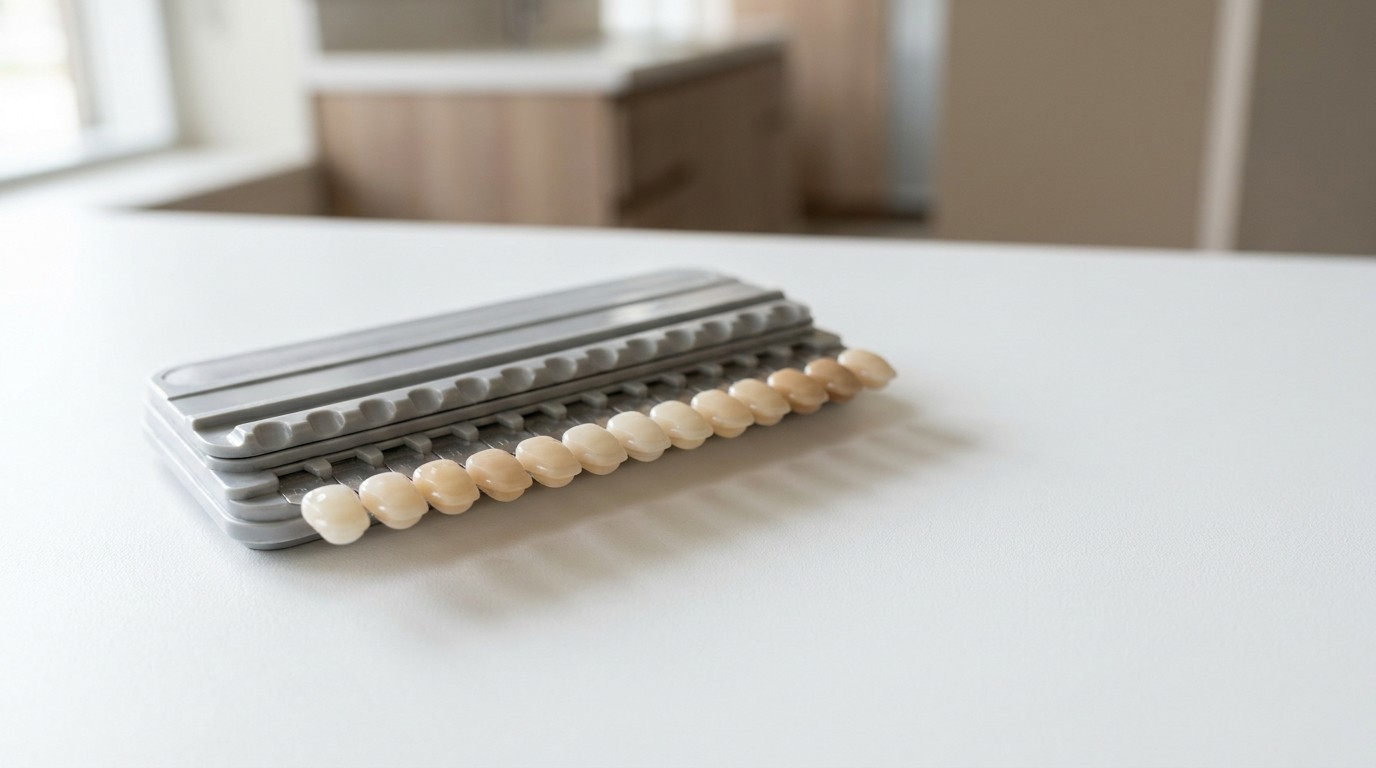
Whitening is the least invasive cosmetic treatment available and the usual starting point, because it changes nothing structural about the teeth.
It lifts natural enamel and does not change crowns, veneers, or fillings, which matters if you already have work at the front of your mouth. Where the discolouration is intrinsic, from an old injury to a single tooth for example, whitening may not even it out, and bonding or a veneer on that individual tooth is often the better answer.
If the concern is chips, small gaps, or shape
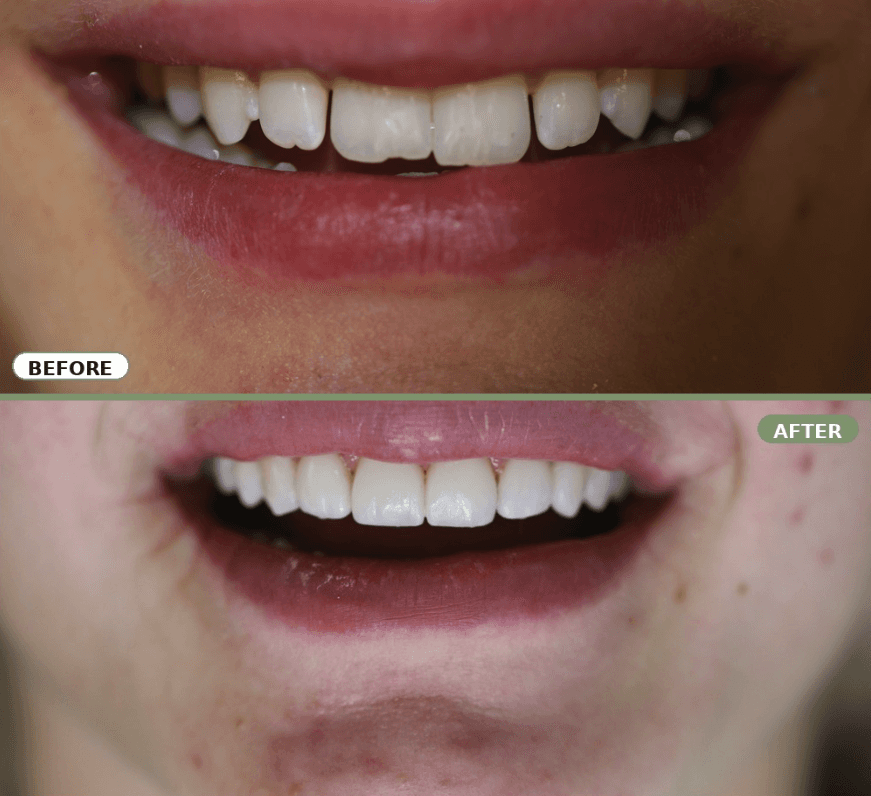
Composite bonding is tooth coloured material applied directly to the tooth and shaped in the chair, usually in a single appointment. It repairs a chipped edge, closes a small gap, or reshapes a tooth that is slightly out of proportion with its neighbours.
It is a conservative option because little or no natural tooth is removed, and it is reversible in a way that veneers are not. The tradeoffs are that composite picks up staining over the years and is not as strong as porcelain, so it is best suited to smaller changes rather than a full front to back transformation.
If the concern is several front teeth at once
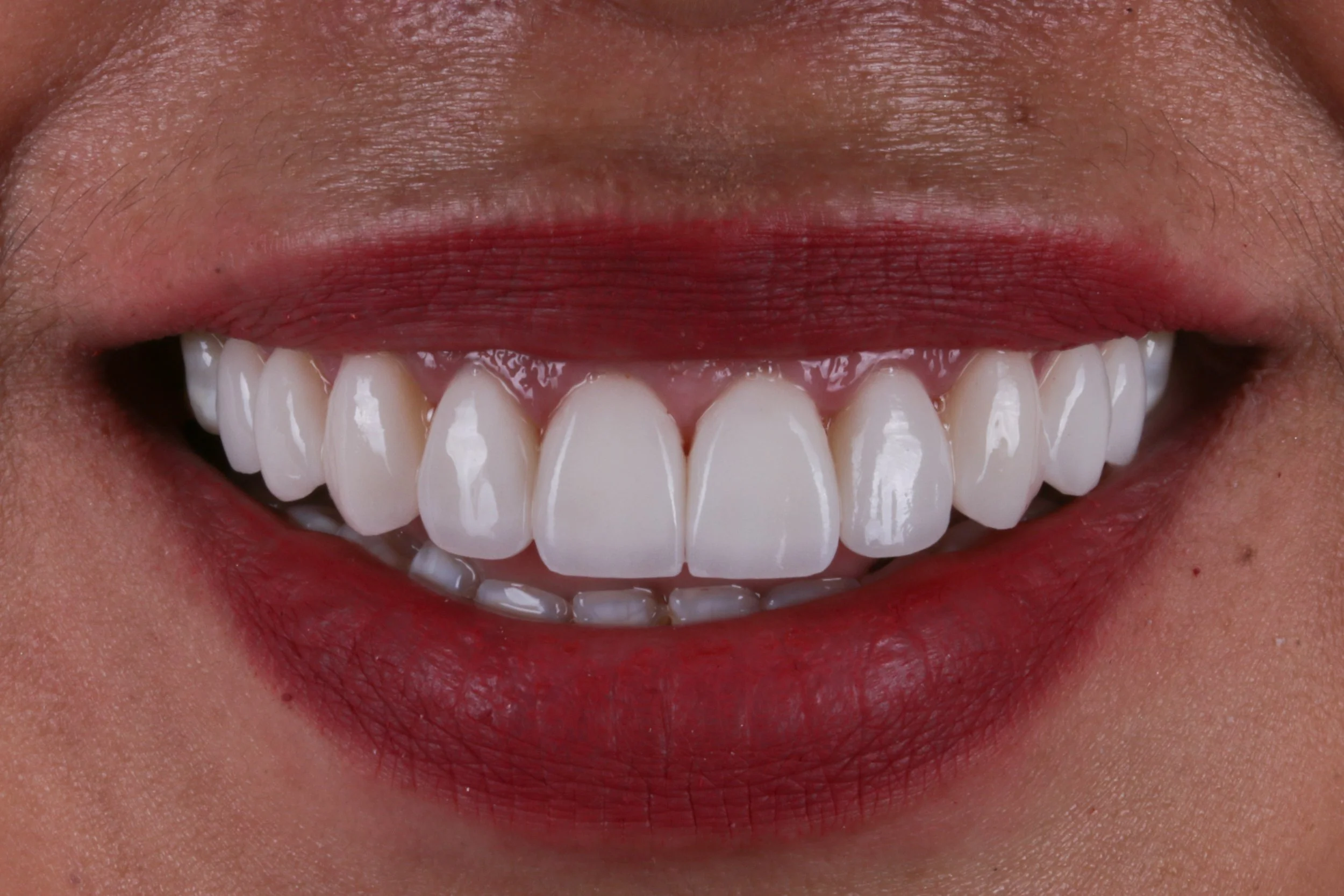
Porcelain veneers are thin custom shells bonded to the front surface of the teeth. They can change colour, shape, and apparent alignment together, which is why they are the treatment most associated with a dramatic result.
The important thing to understand is that veneers usually involve removing a small amount of enamel so they sit flush rather than looking bulky, and that step is not reversible. Once teeth are prepared for veneers, they will need veneers or crowns from then on. That is not a reason to avoid them, it is a reason to be certain before starting, and to see a mock up of the proposed result first.
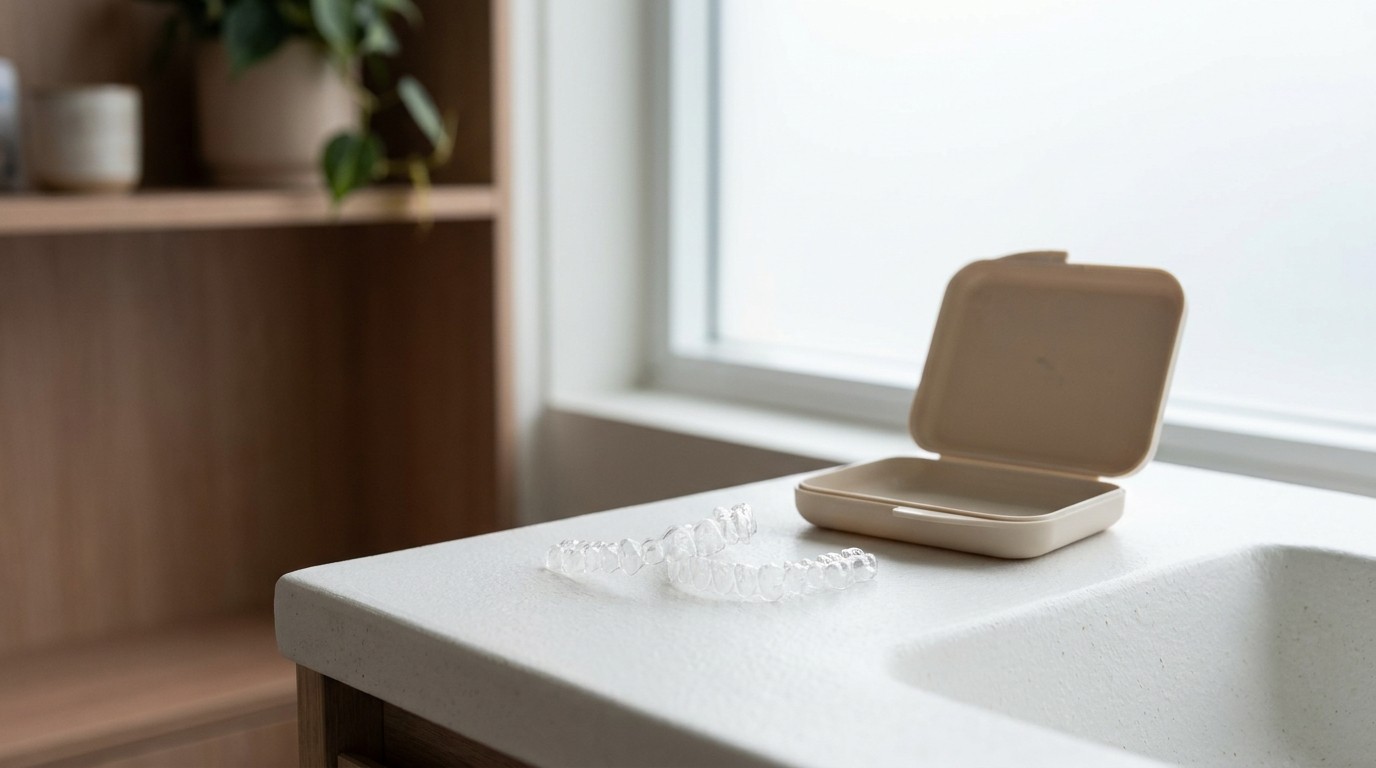
If the concern is alignment
Where teeth are crowded, tipped, or spaced, moving them is often a better answer than covering them. Straightening the teeth you already have preserves more natural structure than masking their position with porcelain.
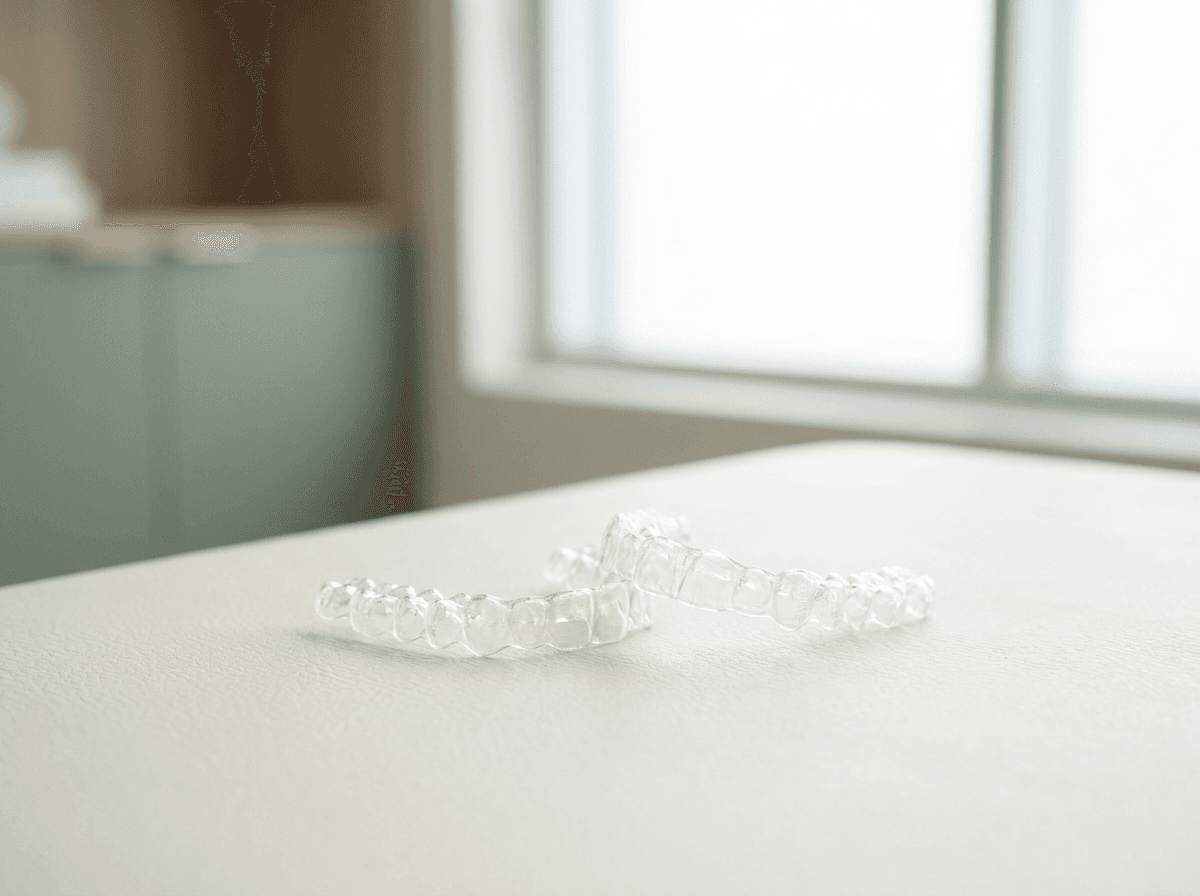
Invisalign clear aligners are a series of removable trays that move teeth gradually. Dr. Kyle Lesko is an Invisalign provider. Aligners suit many cases of mild to moderate crowding and spacing, and they are removable, which makes eating and cleaning straightforward. They depend heavily on being worn for the required hours each day, so they suit people who will genuinely commit to that.
Alignment and cosmetic work often sequence together. Straightening first and then whitening, with any bonding or veneers last, frequently produces a better result with less tooth removed than jumping straight to veneers.
How to start the conversation
The most useful thing you can bring to a consultation is not a treatment name, it is a description of what bothers you. Say what you notice in photographs, or what you find yourself hiding when you smile. That is far more actionable than a request for a specific procedure.
Photographs of smiles you like are genuinely helpful too, with one caveat. Very white, very uniform results in photographs are frequently a different treatment from what suits your face and your natural tooth shape. Part of a good consultation is a conversation about what would look right on you rather than what looked right on someone else.
Sequencing and timelines
Because a makeover is several treatments, sequencing matters. Health work first, then alignment if teeth are being moved, then whitening, then any bonding or veneers matched to the final shade.
Doing it in that order avoids the most common and most frustrating outcome, which is new restorations placed to match a shade you later decide to change. It also spreads treatment over a period that many people find easier to plan around.
Common questions
Where should I start if I am not sure what I want?
Start with a consultation and describe what bothers you rather than choosing a procedure. Colour, shape, chips, and alignment have different answers, and the exam determines which are realistic for your teeth.
Do veneers ruin your teeth?
Veneers usually require removing a small amount of enamel, which is not reversible, so teeth prepared for veneers will need veneers or crowns afterwards. That is why more conservative options are discussed first where they would achieve what you want.
Can I whiten after having veneers or bonding?
Whitening does not change the shade of veneers, bonding, or crowns. If whitening is part of your plan, it is normally done before any restorations so they can be matched to the final shade.
How long does a smile makeover take?
It depends entirely on the combination. Bonding can be a single appointment, whitening a short course, and alignment several months. Sequencing is planned around your timeline once the plan is agreed.
Will it look obvious?
That is a design decision made with you. Tooth shape, proportion, and shade are all chosen deliberately, and a natural result is usually achievable if that is what you want. Say so clearly at the consultation.
If there is something about your smile you have been thinking about for a while, the team at TLC Family Dental Centre in Leduc is glad to talk through the realistic options. Dr. Kyle Lesko will examine your teeth, explain what each approach would and would not change, and provide a clear written estimate after your exam. Book online or call us at 780.980.5115.
About
Featured Posts




Explore Topics