Dental Bonding vs Veneers: How to Choose
Dental bonding shapes resin onto your tooth in one visit and keeps more enamel, while veneers are custom shells that last longer and resist stains. The right choice depends on your goals.

Dr. Kyle Lesko

The quick version
Dental bonding repairs or reshapes a tooth using a putty-like composite resin that is colour-matched to your smile.
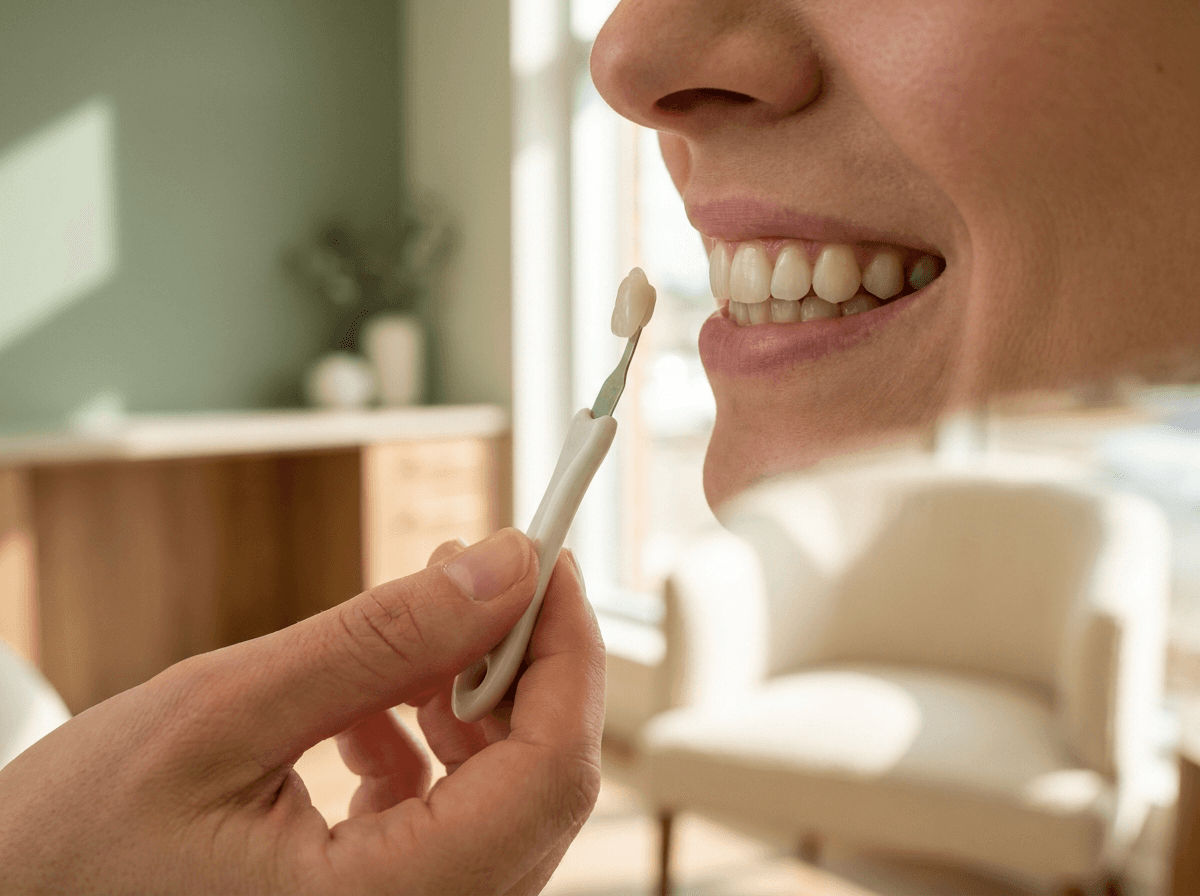
Veneers are thin, custom-made shells, most often porcelain, that cover the front surface of a tooth.
Veneers generally last longer and resist staining better than bonding.
Every cosmetic treatment has honest limits, and being clear about them helps you choose with confidence.
The main difference in dental bonding vs veneers comes down to how much they change your tooth and how long they last. Dental bonding shapes a soft tooth-coloured resin directly onto your tooth in a single visit, while veneers are thin custom shells, usually porcelain, bonded over the front of the tooth after some enamel is prepared. Bonding is more conservative and quicker. Veneers tend to last longer and resist staining better.
Both treatments can close small gaps, repair chips, and improve the colour or shape of a tooth. The right choice depends on what you want to fix, how durable you need it to be, and how much of your natural tooth you would like to keep. Below, we walk through how each one works and how Dr. Kyle Lesko helps Leduc patients decide.
What is dental bonding, and how does it work?
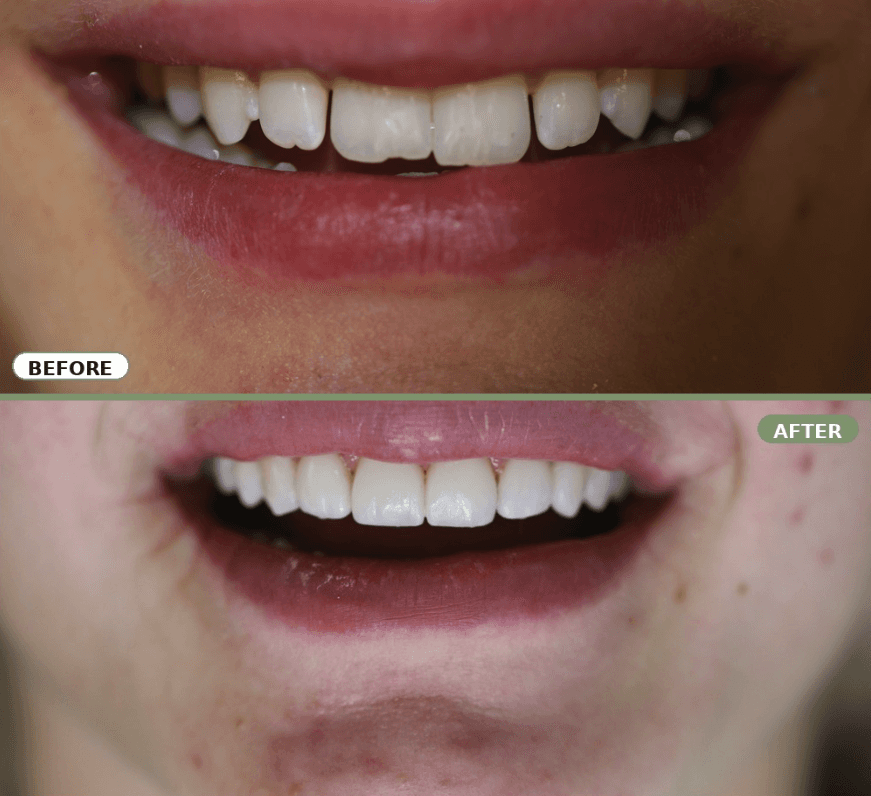
Dental bonding repairs or reshapes a tooth using a putty-like composite resin that is colour-matched to your smile. Dr. Lesko applies the resin, sculpts it by hand, then hardens it with a special light and polishes it. The whole process usually takes one appointment, and little or no natural enamel needs to be removed.
Because bonding is added directly to the tooth, it is one of the gentler cosmetic options. There are no impressions sent to a lab and no second visit to wait for. Many people walk out the same day with a repaired chip or a smoother edge. It feels like a small, comfortable touch-up rather than a big procedure.
What bonding does well
Bonding shines for smaller, focused fixes. It can be a practical choice when you want a quick, conservative improvement without committing to lab-made restorations.
Repairing a chipped or cracked front tooth
Closing a small gap between two teeth
Smoothing a rough or uneven edge
Covering a small stain that whitening cannot lift
Making a tooth look slightly longer or fuller
What are veneers, and how are they different?
Veneers are thin, custom-made shells, most often porcelain, that cover the front surface of a tooth. To fit them well and keep them looking natural, Dr. Lesko usually removes a small amount of enamel first, takes a precise impression, and then bonds the finished veneers in place. Because they are crafted in a lab, veneers normally take two visits.
The trade-off is worth understanding. Veneers ask you to give up a little enamel, and that change is permanent. In return, porcelain resists stains and mimics the way light passes through real teeth, so the result can look very natural for years. For people who want a fuller smile makeover across several teeth, veneers are often the more lasting answer.
When veneers tend to be the better fit
Veneers suit bigger goals and broader changes. They can address several concerns at once and hold their appearance over a long stretch of normal daily life.
Reshaping multiple teeth for an even, balanced smile
Covering deeper discolouration that does not respond to whitening
Correcting teeth that are worn, misshapen, or slightly out of line
Creating a uniform look across your front teeth
Dental bonding vs veneers: which lasts longer and stains less?
Veneers generally last longer and resist staining better than bonding. Porcelain is a hard, glassy material, so it holds its colour well against coffee, tea, and red wine. Composite resin used in bonding is softer and slightly more porous, which means it can pick up stains and wear down sooner. With good care, many people get years of service from bonding, and even longer from veneers.
How long each one typically holds up
Longevity depends on your bite, your habits, and how well you care for your teeth. Bonding tends to need touch-ups or replacement sooner, partly because resin can chip or stain over time. Veneers, especially porcelain, often last well beyond that when the surrounding tooth and gums stay healthy. Neither is permanent, and both can eventually need attention.
Staining and daily habits
Habits matter more than many people expect. Bonding can darken or yellow at the edges if you smoke or drink a lot of staining beverages, since whitening products do not lighten composite resin the way they lighten enamel. Veneers stay closer to their original shade. To learn how the two veneer materials compare, see our look at composite versus porcelain veneers.

What are the downsides of each option?
Every cosmetic treatment has honest limits, and being clear about them helps you choose with confidence. Bonding is conservative and reversible, but the resin is less durable, more prone to chipping, and more likely to stain over the years. Veneers are tougher and more stain-resistant, yet they require removing a thin layer of enamel, which cannot be undone.
Dr. Lesko believes you deserve the full picture, not just the upside. Bonding may need repairs or polishing as time passes, and it is not ideal for people who clench or grind heavily. Veneers are a bigger commitment because the prepared tooth will always need some form of covering afterward. Neither option is right or wrong on its own. The right fit depends on your teeth, your goals, and how you live day to day.
A note on comfort for nervous patients
If dental work makes you anxious, that is completely normal, and it should not stop you from asking questions. Bonding is usually quick and often needs little or no freezing. For patients who feel uneasy, TLC Family Dental Centre offers oral sedation as a gentle comfort option. The goal is to help you relax so the appointment feels calm and manageable.
How does cost factor into the decision?
Cost is a fair thing to think about, and it varies from person to person. Bonding and veneers differ in materials, lab work, and the number of visits involved, so there is no single number that fits everyone. What matters is getting a clear plan that reflects your specific teeth and goals rather than a generic quote.
At TLC, you receive a clear written estimate after your exam, and payment plans are available. That way you can see what each option involves before you decide anything. If you are still weighing your choices, our broader guide to cosmetic options can help you compare treatments and think through what suits your smile.
How to choose between bonding and veneers
The right pick usually becomes clear once you match the treatment to your situation. For a single chipped tooth or a small gap, bonding is often the simple, conservative answer. For a broader change across several teeth, or for deep discolouration you want to cover for the long term, veneers tend to be the more lasting choice.
Use this quick way to think it through:
Fixing one small flaw? Bonding is usually enough and keeps more of your natural tooth.
Reshaping several teeth? Veneers create a more even, lasting result.
Worried about staining? Porcelain veneers hold their colour better over time.
Want the more conservative option? Bonding removes little or no enamel.
Looking for a longer lifespan? Veneers generally last longer with good care.
This is general information, not a personal diagnosis. The clearest way to know what suits you is an in-person exam, where Dr. Lesko can look at your teeth, listen to your goals, and explain what is realistic.
Frequently Asked Questions
What is the difference between dental bonding and veneers?
Bonding adds a tooth-coloured resin directly onto your tooth in one visit, with little or no enamel removed. Veneers are thin custom shells, usually porcelain, bonded over the tooth after a small amount of enamel is prepared. Bonding is more conservative and quicker, while veneers tend to last longer and resist stains better.
What are the disadvantages of dental bonding?
Bonding uses a composite resin that is softer than porcelain, so it can chip, wear, or stain over time. It usually needs touch-ups or replacement sooner than veneers. It is also less suited to people who grind their teeth heavily. For small, focused repairs, though, it remains a gentle and effective choice.
How long does dental bonding last?
With good care, many people get several years from dental bonding before it needs a touch-up or replacement. Lifespan depends on your bite, your habits, and how well you avoid chewing on hard objects. Brushing, flossing, and regular check-ups help bonding stay looking fresh for as long as possible.
Does dental bonding stain over time?
Yes, bonding can stain over time, especially around the edges. The composite resin is slightly porous, so coffee, tea, red wine, and smoking can gradually darken it. Whitening products do not lighten resin the way they lighten natural enamel, so heavy staining usually means the bonding needs to be polished or replaced.
Talk it through with Dr. Kyle Lesko in Leduc
Choosing between dental bonding and veneers is easier with someone who can look at your smile in person. The team at TLC Family Dental Centre in Leduc is happy to walk you through both options and answer your questions without pressure. Book your consultation online or call us at 780.980.5115, and Dr. Kyle Lesko will help you decide what makes sense for your teeth at our office at 5209 Discovery Way #4. We welcome patients from Leduc and across the greater Edmonton area.
About
Featured Posts


Explore Topics