After a Tooth Extraction: Dry Socket Signs, What to Eat and When to Call
Good tooth extraction aftercare comes down to protecting the blood clot that forms in the socket: rest and keep your head raised on the first day, control bleeding with gauze, skip rinsing and smoking for at least 24 hours, eat soft foods, and call your dentist if pain gets worse instead of better.

Dr. Kyle Lesko

The quick version
Tooth extraction aftercare is about protecting the blood clot in the socket. For the first 24 hours, rest, keep your head up, do not rinse and do not smoke.
For bleeding, bite on a folded, lightly wetted gauze pad and change it every 30 to 60 minutes. Call your dentist if you are still bleeding 24 hours later.
Eat soft foods such as gelatin, pudding or thin soup, chew away from the socket, and expect to be back to solid foods in about a week.
Pain should ease day by day. Severe, throbbing pain that starts 1 to 3 days later and spreads toward your ear can be dry socket, so call your dentist. Call 911 if you pass out or have trouble breathing.
Good tooth extraction aftercare comes down to protecting the blood clot that forms in the socket: rest and keep your head raised on the first day, control bleeding with gauze, skip rinsing and smoking for at least 24 hours, eat soft foods, and call your dentist if pain gets worse instead of better.
This guide covers the first day, bleeding, food, dry socket, healing time, wisdom tooth recovery and when to call, with each health claim linked to a public health source or published review. Dr. Kyle Lesko and the team at TLC Family Dental Centre see patients from Leduc and the greater Edmonton area. Your own dentist's instructions come first, because they know exactly what was done.
What should you do in the first 24 hours after an extraction?
The first day is about protecting the clot. According to MyHealth Alberta, a blood clot forms in the socket and protects the bone during healing. If the clot comes loose, you may get a dry socket, which exposes the bone. Rest, keep your head up, and leave the area alone.
MyHealth Alberta's wisdom tooth home care page and tooth extraction page give these first-day steps:
Relax, because physical activity may increase bleeding.
Do not lie flat. Prop your head up with pillows.
While your mouth is frozen, be careful not to bite your tongue, cheek or lip.
Do not rinse for the first 24 hours. After that, rinse lightly with warm salt water several times a day, and do not rinse hard.
Avoid rubbing the area with your tongue or swishing liquid in your mouth.
Do not smoke for at least 24 hours.
For swelling, hold ice or a cold pack on your cheek for 10 to 20 minutes at a time, with a thin cloth against your skin.
For pain, take any prescribed medicine as directed, or ask your dentist whether an over-the-counter medicine is right for you and follow the label. MyHealth Alberta notes that not everyone needs antibiotics after an extraction, but if you are prescribed them, take the full course.
How do you control bleeding after a tooth is pulled?
MyHealth Alberta says to bite lightly on a folded, lightly wetted gauze pad placed over the socket, and to change it every 30 to 60 minutes until the bleeding stops. If you run out of gauze, a dampened tea bag works. Light oozing is normal on the day of surgery and sometimes the next day.
You can eat and drink between gauze changes, and once you cannot see any bleeding, take the gauze out. MyHealth Alberta warns that keeping gauze in too long, or talking with it in place, can make you bleed more or for longer. If bleeding starts again, the NHS in the UK suggests pressing on the area for at least 10 minutes with a clean cloth or cotton wool. Call your dentist now if bleeding is new or heavier, and call if it is still going 24 hours after the extraction.
What can you eat and drink after a tooth extraction?
Stick to soft foods and chew on the other side for the first days. MyHealth Alberta's dental surgery home care page suggests gelatin, pudding or a thin soup, adding solid foods gradually as you heal, and says you can eat solid foods again in about a week. Avoid chewing where the tooth was removed until it heals.
Soft foods for the first days
Gelatin
Pudding
Thin soup
Other soft or liquid food until you can chew more comfortably, as the NHS puts it
What to skip for now
Hard or crunchy food, and food that can get stuck in the wound, such as nuts or seeds (NHS)
Alcohol and very hot drinks, to reduce the risk of bleeding or scalding (NHS)
Straws for the first few days (MyHealth Alberta)
About straws: MyHealth Alberta advises skipping them because sucking can loosen the clot. A Cochrane review of dry socket treatments notes that straws are often mentioned as disrupting the clot, but there is no clear evidence to support this. The advice is easy to follow, but it is not proven.
What is dry socket, and what are the signs?
Dry socket, also called alveolar osteitis, happens when the blood clot in the socket breaks down or comes out too early. The Cochrane review describes the most common symptom as a continuous, throbbing pain that spreads to the ear, temple and neck, classically starting 1 to 3 days after the extraction.
Healthdirect, the Australian Government health service, adds bad breath, an unpleasant taste, swelling around the socket, a slight fever, and exposed bone where you would expect a dark blood clot. The key difference from normal healing is direction: MyHealth Alberta says normal pain should steadily decrease, while dry socket pain is severe and does not settle. The Cochrane review notes symptoms can last up to 10 days.
Healthdirect says dry socket can heal by itself after a few weeks, but the pain can be intense, so call your dentist. Your dentist may flush out the socket and place a medicated dressing in it.

What raises your risk of dry socket?
Healthdirect lists the main risk factors: smoking, having had dry socket before, a difficult extraction, using oral contraceptives, poor dental hygiene, and having a lower tooth removed, especially a wisdom tooth or molar. The Cochrane review also links the oral contraceptive pill and smoking to a higher rate of dry socket.
How common it is depends on the tooth. The Cochrane review reports rates from 0.5% to 7% for routine extractions, and from 1% to 37.5% for surgical removal of impacted wisdom teeth. Healthdirect puts it at about 1 in 20 extractions.
A 2022 systematic review in Dentistry Journal found that about 13.2% of smokers developed dry socket compared with about 3.8% of non-smokers, though the authors note the studies they combined were very different from each other. If you smoke, ask your dentist how long to wait. According to Primary Care Alberta, you can call Health Link 811 and ask to be contacted by an AlbertaQuits counsellor for help cutting back or quitting. The Cochrane review also found moderate-certainty evidence that rinsing with an antiseptic mouthwash around the time of the extraction, or an antiseptic gel placed in the socket, probably reduces dry socket, so ask your dentist whether it suits you.
How long does it take to heal after a tooth extraction?
Healthdirect's tooth extraction page says the wound usually takes up to 2 weeks to heal. MyHealth Alberta says pain should steadily decrease in the days after the extraction, and that you can eat solid foods again in about a week. MyHealth Alberta notes that each person recovers at a different pace, so follow your dentist's timeline.
Time after extraction | What is normal | Call your dentist if |
|---|---|---|
First 24 hours | Light oozing, some pain and swelling, numbness wearing off | Bleeding is new, heavier, or still going at 24 hours |
Days 1 to 3 | Pain easing day by day, swelling helped by cold packs, salt water rinses after 24 hours | Pain gets worse, or severe throbbing pain spreads toward your ear (possible dry socket) |
About 1 week | Slowly returning to solid foods | Pain does not improve with pain medicine, or you see pus or red streaks |
Up to 2 weeks | The wound usually heals; after wisdom teeth, pain and swelling keep improving | Swelling does not go down or gets worse, or you have a fever over 38°C |
After 3 weeks | Past the usual healing time | You are still in pain after dry socket treatment (do not wait this long if you think you have dry socket: call when the pain starts) |
Table based on MyHealth Alberta, healthdirect (Australia), the NHS (UK) and a Cochrane review, checked in November 2026.
Is wisdom tooth removal recovery different?
The basic steps are the same, with a few extra things to expect. The NHS says most people can return to normal activities the day after wisdom tooth removal, but for up to 2 weeks you will usually have some pain and swelling, which should start to improve after 1 or 2 days. Dry socket is also more common after lower wisdom teeth.
The NHS adds that you might have bruising on your cheek and a sore, stiff jaw. MyHealth Alberta's wisdom tooth extraction page lists other possible problems, including pain or difficulty opening your jaw and numbness in the mouth or lips. The NHS says numbness or tingling from nearby nerves usually gets better but can last a few weeks or months.
One instruction differs between sources: MyHealth Alberta's wisdom tooth page suggests ice for the first 24 hours and then moist heat for the following 2 or 3 days, while its general extraction page suggests cold packs for 3 days. Ask your dentist which to use. TLC offers wisdom teeth removal, and our guide to the signs your wisdom teeth need attention explains when removal comes up.
When should you call your dentist after an extraction?
Call your dentist now, or get medical care right away, if your pain does not improve after taking pain medicine, your stitches come loose, you have new or more bleeding, or you notice signs of infection. MyHealth Alberta lists those signs as increased pain, swelling, warmth or redness, red streaks spreading from the area, pus, or a fever.
Also call if you are still bleeding 24 hours later, if severe pain around the socket starts a few days after the extraction, as HealthLinkBC advises, or if you have a fever over 38°C or swelling that gets worse, as healthdirect advises. Call 911 if you pass out or have trouble breathing.
For problems that cannot wait, TLC offers urgent dental care. Urgent problems are triaged and most are seen the same week. If another tooth is aching, our toothache guide explains what helps and when to be seen.
Frequently Asked Questions
Is it normal to still be bleeding the day after an extraction?
Some light oozing is normal. MyHealth Alberta says light oozing is normal on the day of surgery and sometimes the following day. Bite on a folded, lightly wetted gauze pad and change it every 30 to 60 minutes. If you are still bleeding 24 hours after the extraction, or bleeding is new or heavier, call your dentist.
How can I tell dry socket from normal healing pain?
Normal pain should steadily decrease in the days after an extraction, according to MyHealth Alberta. Dry socket pain is severe and throbbing, usually starts 1 to 3 days after the extraction, and can spread toward your ear, temple or eye, sometimes with bad breath or a bad taste. If your pain is getting worse instead of better, call your dentist.
When can I smoke after a tooth extraction?
MyHealth Alberta says not to smoke for at least 24 hours after an extraction, because tobacco can delay healing. Smoking is also linked to a higher rate of dry socket in published reviews. Ask your dentist how long to wait in your case. Health Link 811 can put you in touch with AlbertaQuits if you want help quitting.
Should I think about replacing the tooth?
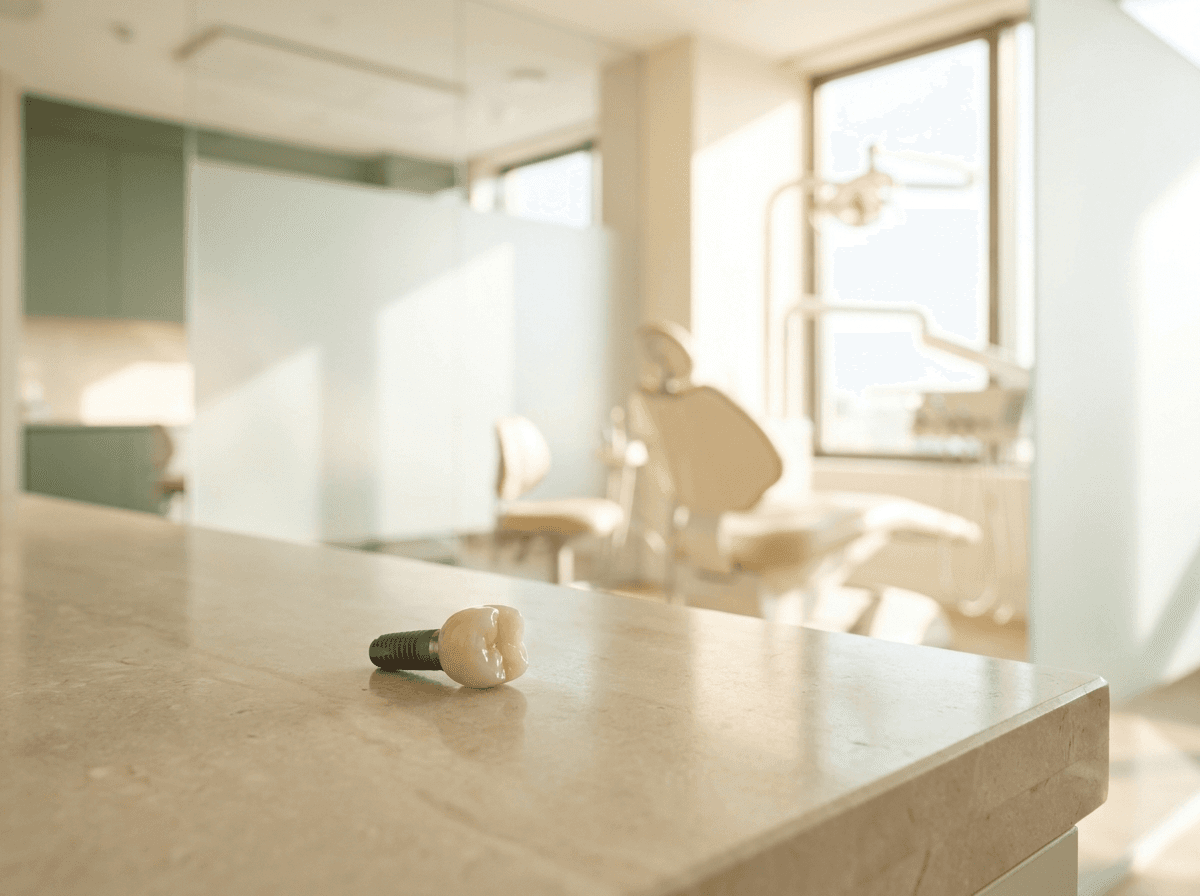
MyHealth Alberta suggests talking with your dentist about options to replace a removed tooth, which include an implant, a denture or a bridge. The right choice depends on your mouth and goals. Our guide to tooth extractions in Leduc covers the visit itself, and our implant recovery guide explains what comes next if you choose an implant.
Talk it through with Dr. Kyle Lesko in Leduc
If you have a tooth that may need to come out, or questions while you heal, book online or call TLC Family Dental Centre at 780.980.5115. You will find us at 5209 Discovery Way #4 in Leduc, and we welcome patients from Leduc and the greater Edmonton area. Coverage is verified before treatment, and you receive a written estimate after your exam and before any treatment is scheduled.
Sources
Checked in November 2026. Coverage rules and recommendations change, so confirm current details with the organisations below.
Tooth Extraction, MyHealth Alberta
Tooth Extraction: Care Instructions, MyHealth Alberta
Wisdom Tooth Extraction: What to Expect at Home, MyHealth Alberta
Wisdom Tooth Extraction, MyHealth Alberta
Dental Surgery: What to Expect at Home, MyHealth Alberta
Health Link 811, Primary Care Alberta
Dry Socket, HealthLinkBC
Wisdom tooth removal, NHS (UK)
Tooth extraction, healthdirect (Australian Government)
Dry socket, healthdirect (Australian Government)
Local interventions for the management of alveolar osteitis (dry socket), Cochrane Database of Systematic Reviews, 2022
Smoking as a Risk Factor for Dry Socket: A Systematic Review, Dentistry Journal, 2022
About
Featured Posts


Explore Topics