
Tooth Extractions in Leduc: What to Expect
An extraction is usually quicker and more comfortable than people expect. Here is what happens during the appointment, how healing progresses, and what protects the clot.

Dr. Kyle Lesko

The quick version
Dr. Kyle Lesko performs extractions in house at TLC, so most cases do not need a referral.
The tooth is fully frozen, so you feel firm pressure but should not feel pain.
The blood clot that forms afterwards is what heals the site, and protecting it is the main job.
Most people are comfortable within a few days, with the first forty eight hours mattering most.
A tooth extraction is usually faster and more comfortable than people expect, and the part that matters most happens after you leave. Dr. Kyle Lesko performs extractions in house at TLC Family Dental Centre in Leduc, which means most patients do not need a referral elsewhere. This article covers what happens during the appointment, how recovery progresses day by day, and the specific things that protect the clot so healing goes the way it should.
When removing a tooth is the right call
Keeping a natural tooth is almost always preferable, and extraction is recommended when keeping it would cause more problems than removing it. That situation is more common than people assume.
Decay so extensive that not enough sound tooth structure remains to restore.
A fracture running below the gum line, where the tooth cannot be sealed or restored predictably.
Advanced gum disease that has destroyed too much of the supporting bone.
Infection that has not resolved and cannot be treated by root canal treatment.
Crowding, where removing a tooth is part of a planned orthodontic result.
Wisdom teeth causing pain, repeated infection, or damage to the tooth in front.
What happens during the appointment
The area is frozen thoroughly first, and you will be checked to confirm it is fully numb before anything begins. Expect to feel firm pressure and movement, because the tooth has to be eased out of its socket, but pressure is not pain. Tell us at any point if you feel something sharp, since more anaesthetic can be added straight away.
The tooth is loosened gently within the socket rather than pulled, using instruments that widen the ligament space until the tooth releases. Some teeth come out in one piece, others are sectioned into parts to remove them with less force, which sounds more involved but is often gentler on the surrounding bone.
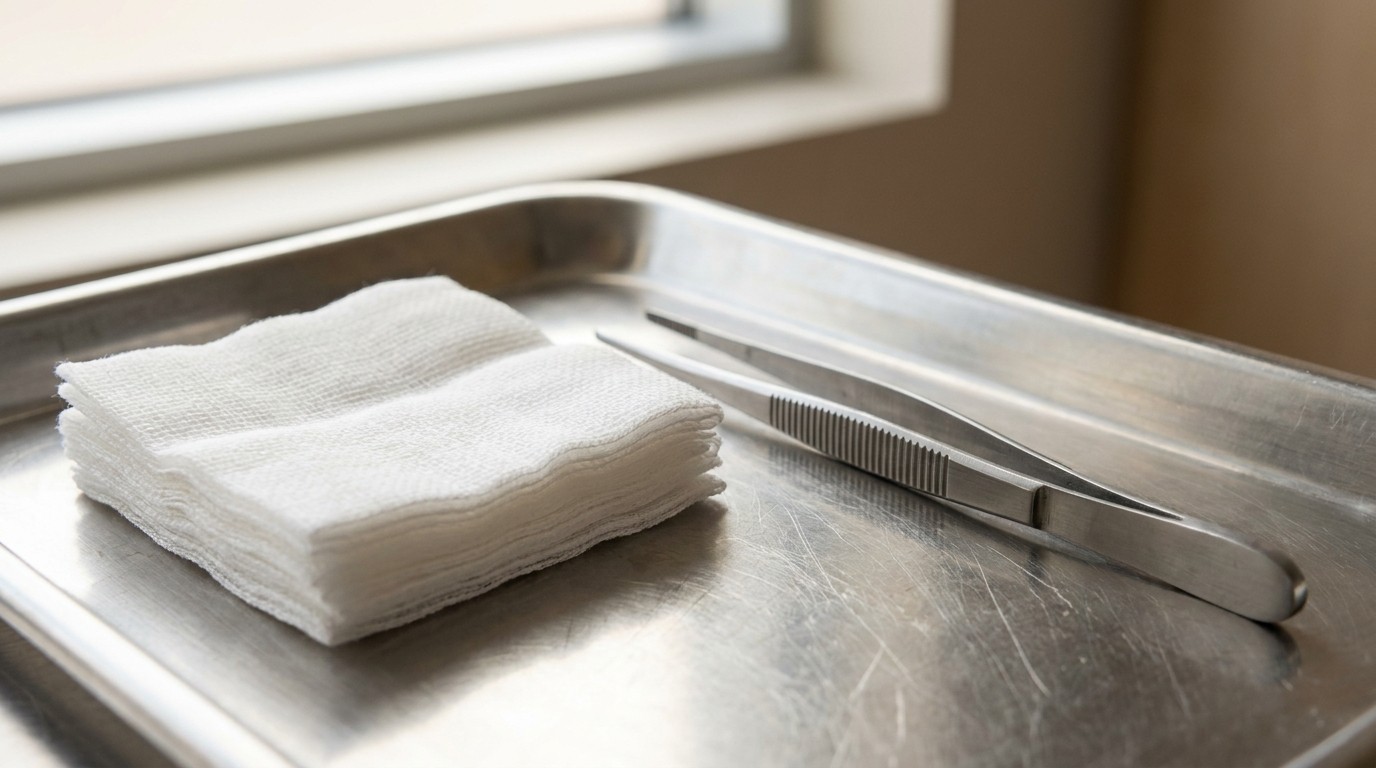
Afterwards the socket is cleaned, and gauze is placed for you to bite on firmly. Stitches are sometimes used, and if they are you will be told whether they dissolve on their own.
The first twenty four hours
This is the window that determines how the rest of recovery goes. A blood clot forms in the socket, and that clot is the foundation for healing. Everything in the first day is about protecting it.
Bite firmly on the gauze for as long as you are told, usually around thirty to forty five minutes, and change it if bleeding continues. Some oozing for several hours is normal. Keep your head slightly elevated, rest rather than exert yourself, and use a cold compress on the outside of your face in intervals to limit swelling.
Do not rinse, spit forcefully, or use a straw. Suction is what dislodges a clot.
Do not smoke or vape. This is the single largest risk factor for dry socket.
Stick to soft, cool foods and avoid chewing on that side.
Take pain relief as directed rather than waiting for discomfort to build.

Days two to seven
Swelling typically peaks around day two and then eases. From day two you can start gentle warm salt water rinses, letting the water fall out of your mouth rather than spitting, which keeps the area clean without disturbing the clot.
Keep brushing the rest of your mouth normally and simply avoid the socket itself for the first few days. Most people are comfortable enough to return to normal routines within two to three days, although a surgical extraction can take longer. Food gradually returns to normal as comfort allows, with hard, crunchy, and very hot items left until last.
Dry socket, and how to avoid it
Dry socket happens when the clot is lost too early and the underlying bone is exposed. The signature is pain that improves for a couple of days and then becomes markedly worse around day three or four, often radiating toward the ear, sometimes with a bad taste.
It is uncomfortable but very treatable. The socket is cleaned and a medicated dressing placed, which usually brings rapid relief. The important part is not enduring it at home. If pain is getting worse rather than better after day two, call the office.
Smoking is the strongest risk factor by a wide margin, both from the suction and from the effect on healing tissue. If you can pause for even a few days after an extraction, it makes a real difference.
Thinking ahead about the gap
For a back tooth in particular, it is worth discussing what happens to the space before the extraction rather than months later. Teeth drift toward a gap and the opposing tooth can move down into it, which changes your bite over time.
Options for replacing a single missing tooth include an implant, a bridge, or a partial denture, and which suits you depends on the site, the neighbouring teeth, and the bone. Having that conversation early means the decision is planned rather than reactive.
Common questions
Does having a tooth pulled hurt?
The area is fully frozen, so you should feel firm pressure and movement but not pain. If anything feels sharp, say so and more anaesthetic can be added immediately.
How long does recovery take?
Most people feel substantially better within two to three days, with the first forty eight hours mattering most. A surgical extraction can take longer, and the socket continues healing beneath the surface for several weeks.
When can I eat normally again?
Start with soft, cool foods on day one and reintroduce normal food as comfort allows, usually over several days. Avoid chewing on the extraction side until it feels comfortable.
What does dry socket feel like?
Pain that improves for a day or two and then becomes noticeably worse around day three or four, often spreading toward the ear. It is treatable quickly, so call the office rather than waiting it out.
Do I need to replace the tooth?
For a back tooth it is usually worth discussing, because neighbouring teeth drift into a gap and the bite changes over time. Options include an implant, a bridge, or a partial denture depending on the site.
If a tooth is painful, broken, or you have been told it needs to come out, TLC Family Dental Centre in Leduc can help. Dr. Kyle Lesko performs extractions in house, will explain exactly what is involved beforehand, and will provide a clear written estimate after your exam. Book online or call us at 780.980.5115.
About
Featured Posts




Explore Topics