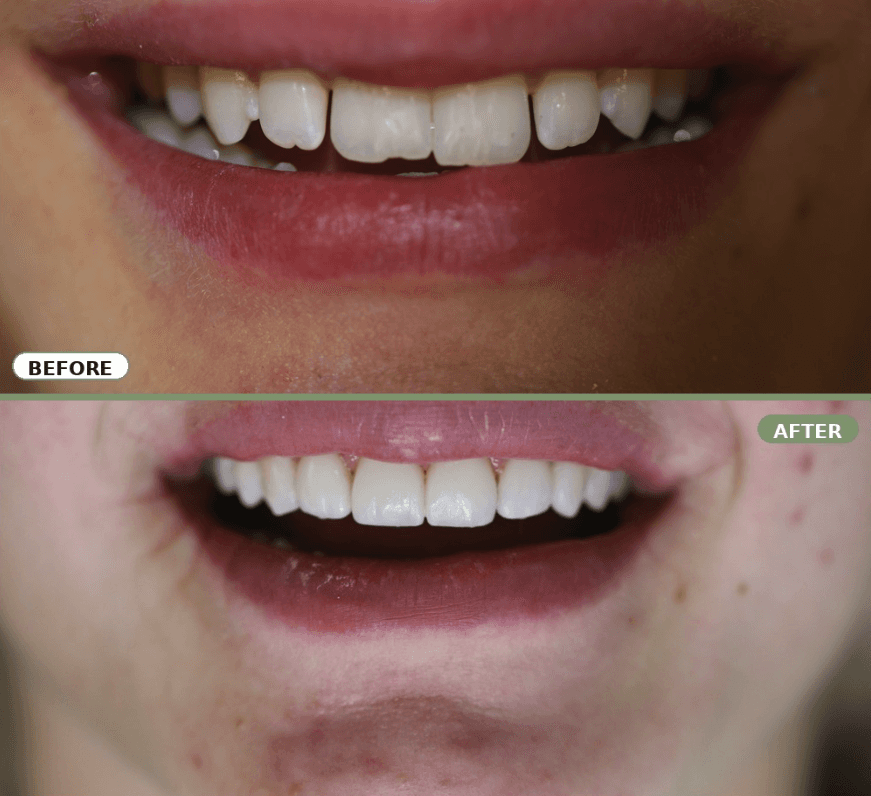

How Long Teeth Whitening Lasts, and What Changes That
Whitening results usually hold from several months up to around two years. Diet, smoking, and whether you top up at home make more difference than the treatment itself.

Dr. Kyle Lesko

The quick version
Professional whitening typically holds from several months to around two years.
What you eat and drink afterwards affects the result more than the treatment itself does.
Whitening lifts natural enamel. It does not change crowns, veneers, or fillings.
Occasional top ups keep the result rather than repeating the full treatment.
Professional teeth whitening usually holds somewhere between several months and around two years. That range is wide because the biggest variable is not the treatment, it is what happens afterwards. Diet, smoking, and whether you top up at home decide where in that range you land. This article explains what causes teeth to darken again, what protects a result, and one thing worth knowing before you whiten if you have any dental work at the front of your mouth. TLC Family Dental Centre in Leduc offers professional whitening as part of its cosmetic services.
Two different kinds of staining
Teeth darken for two separate reasons, and whitening addresses them differently.
Extrinsic staining sits on the surface of the enamel and comes from what passes over your teeth: coffee, tea, red wine, dark cola, berries, curry sauces, and tobacco. Intrinsic discolouration sits within the tooth, from ageing as enamel thins and the yellower dentine beneath shows through, from certain medications, or from trauma to a specific tooth. Whitening handles surface staining very effectively and can lighten intrinsic discolouration to a degree, though a single dark tooth from an old injury behaves differently from the rest and may need a different approach.

What shortens a result fastest
If you want a straightforward answer to why one person's whitening lasts eight months and another's lasts two years, it is mostly here.
Coffee and tea several times a day, particularly without rinsing afterwards.
Red wine, which combines pigment with acidity that briefly softens the enamel surface.
Smoking and vaping, which stain persistently and quickly.
Dark sauces and berries eaten frequently.
Skipping regular cleanings, which is how surface staining accumulates unnoticed.
None of these mean giving things up. Rinsing with water after coffee, drinking staining beverages with a meal rather than sipping over an hour, and keeping up regular hygiene visits do most of the work.
The first forty eight hours matter more than the rest
Immediately after whitening, the enamel is temporarily more porous and more receptive to picking up colour. That window is short but it is the one time your habits genuinely change the outcome.
For the first two days, favour pale foods and drinks. Water, milk, plain chicken or fish, rice, pasta without tomato sauce, and cauliflower or potato. It feels fussy for two days and it protects a result you are going to live with for months.
The thing to check before you whiten
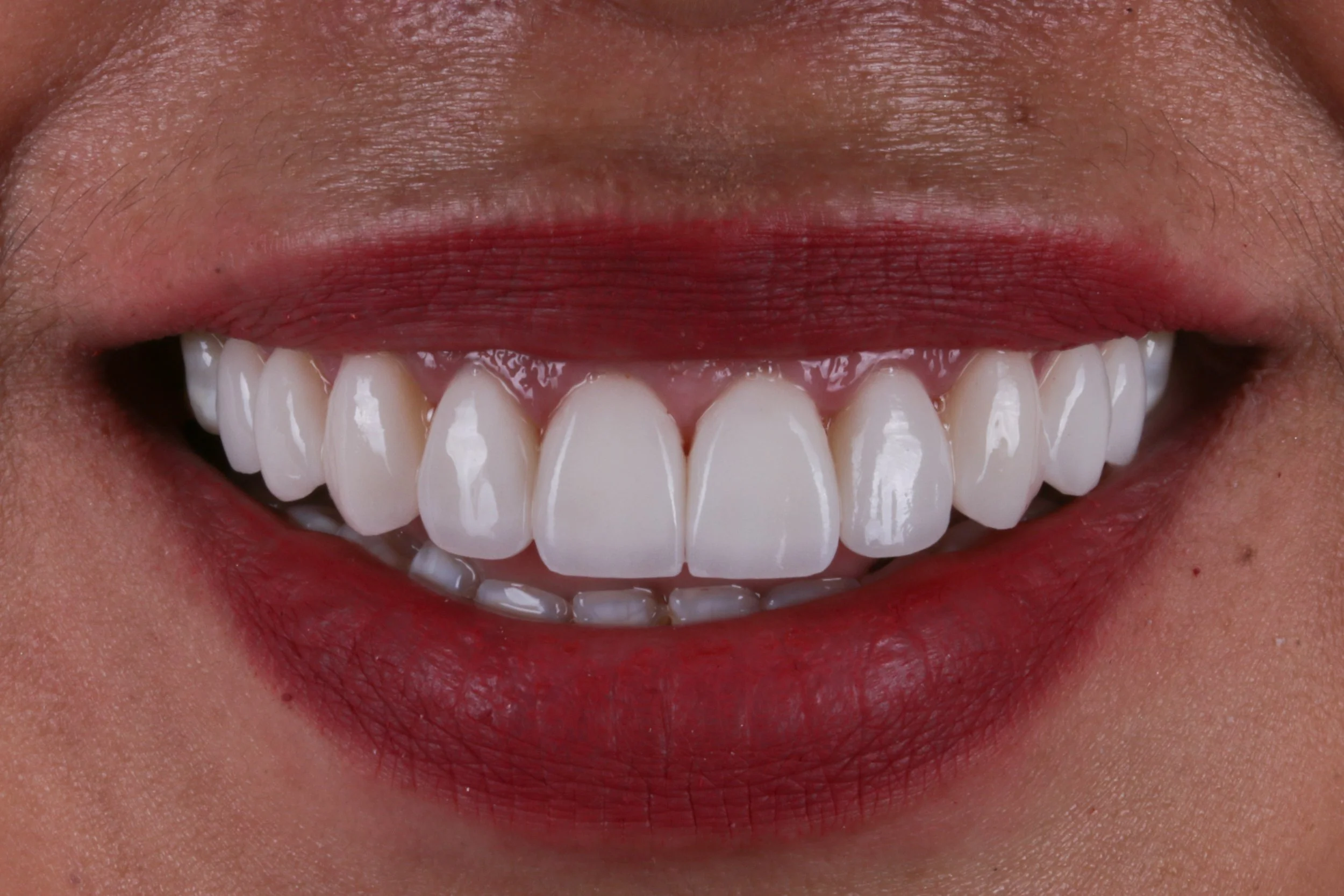
Whitening works on natural enamel. It does not change the colour of crowns, veneers, bonding, or tooth coloured fillings, because those materials are already the shade they were made.
This matters most at the front of the mouth. If you have a crown on a front tooth and you whiten the teeth around it, the crown will stay exactly as it is while everything beside it lightens, and it can end up looking noticeably darker than it did before. That is worth planning around rather than discovering afterwards. Where existing work needs to match a whitened result, the usual approach is to whiten first, let the shade settle, then replace the restoration to the new shade.
Sensitivity, and what actually helps
Temporary sensitivity to cold during or shortly after whitening is common and usually settles within a few days. It is uncomfortable rather than harmful.
A few things reduce it reliably. Using a sensitivity toothpaste for a couple of weeks beforehand helps a great deal. Shorter, more frequent sessions are gentler than long ones. Avoiding very hot and very cold food and drink for a few days afterwards makes the settling period easier. If you already have sensitive teeth, say so before treatment starts so the approach can be adjusted rather than pushed through.
Keeping the result without starting over
Most people do not need to repeat a full whitening treatment to stay where they are. Occasional top ups, spaced out according to how quickly your own teeth pick up colour, maintain the result with far less effort.
Regular professional cleanings do more for perceived brightness than people expect, because a great deal of what looks like darkening is accumulated surface staining rather than a change in the tooth itself. Many patients find a cleaning alone recovers much of what they thought they had lost.
Why professional whitening differs from over the counter kits
The main differences are supervision and fit. A professional approach starts with an examination, which matters because whitening over untreated decay or active gum inflammation is uncomfortable and sometimes inadvisable.
Custom trays hold the gel against the teeth and away from the gums, which improves evenness and reduces irritation compared with a one size strip. And if something unexpected happens, such as one tooth responding very differently from its neighbours, there is someone to ask.
Common questions
How long will whitening last?
Commonly several months up to around two years. Where you land depends mostly on diet, smoking, whether you top up, and how regularly you have professional cleanings.
Will whitening damage my enamel?
Professionally supervised whitening used as directed is not designed to damage enamel. Temporary sensitivity is the usual side effect and it settles. An exam beforehand checks there is nothing that would make treatment inadvisable.
Will my crown or veneer whiten too?
No. Whitening only lightens natural tooth structure. Existing crowns, veneers, bonding, and tooth coloured fillings stay the shade they were made, which is worth planning around if any of them are at the front.
What can I eat afterwards?
For the first forty eight hours favour pale foods and drinks and avoid coffee, tea, red wine, and dark sauces. After that, normal eating resumes with a little care around the heaviest staining items.
Can I whiten if my teeth are sensitive?
Often yes, with adjustments. Using a sensitivity toothpaste beforehand and shortening the sessions both help. Tell us before treatment starts so the approach can be planned around it.
Does whitening work on a single dark tooth?
Often not evenly. A tooth that darkened after an injury has discolouration coming from inside it, so it responds differently from the teeth around it and can end up standing out more once its neighbours lighten. Those cases are usually better addressed with bonding, a veneer, or internal whitening depending on the tooth, and that is assessed individually.
If you are considering whitening and want to know what result is realistic for your teeth, the team at TLC Family Dental Centre in Leduc is happy to talk it through. Dr. Kyle Lesko will examine your teeth, explain what whitening will and will not change, and provide a clear written estimate after your exam. Book online or call us at 780.980.5115.
About
Featured Posts




Explore Topics