
How a Dental Crown Is Put On, Step by Step
Placing a crown follows a set sequence: freeze the tooth, remove decay, shape the tooth, take an impression, fit a temporary, then cement the finished crown at a second visit.

Dr. Kyle Lesko

The quick version
The tooth is frozen, then any decay or failing filling material is removed.
The tooth is shaped so a crown can fit over it without sitting too high.
An impression or digital scan records the tooth and your bite for the laboratory.
A temporary protects the tooth, and the finished crown is cemented at a second visit.
Putting on a dental crown follows the same sequence almost every time: freeze the tooth, clear out decay or old filling material, shape what remains, capture an impression, fit a temporary, then cement the finished crown at a second appointment. Knowing the order takes most of the unfamiliarity out of it. At TLC Family Dental Centre in Leduc, Dr. Kyle Lesko explains each stage as it happens rather than after the fact, which most patients find makes the appointment easier to sit through.
Step one, freezing the area
Local anaesthetic is placed near the tooth so the nerve stops sending signals for the duration of the appointment. A topical gel goes on the gum first to take the sting out of the injection itself.
Freezing takes a few minutes to take full effect. It is worth saying if you can still feel pressure differently from pain, or if the area does not feel numb, because more anaesthetic can be added before anything else starts. Lower molars sometimes need a second placement, which is normal and not a sign that anything has gone wrong.
Step two, removing what cannot stay
Any decay is cleared away completely, along with old filling material that is failing or undermined. This step is why crowns are recommended in the first place. A tooth that has lost a large amount of structure to decay or a fracture cannot reliably hold a filling, because there is not enough solid tooth left around it to resist chewing forces.
If very little tooth remains once decay is removed, a build up is placed to restore enough shape for the crown to grip. This is done at the same appointment and does not usually add another visit.
Step three, shaping the tooth
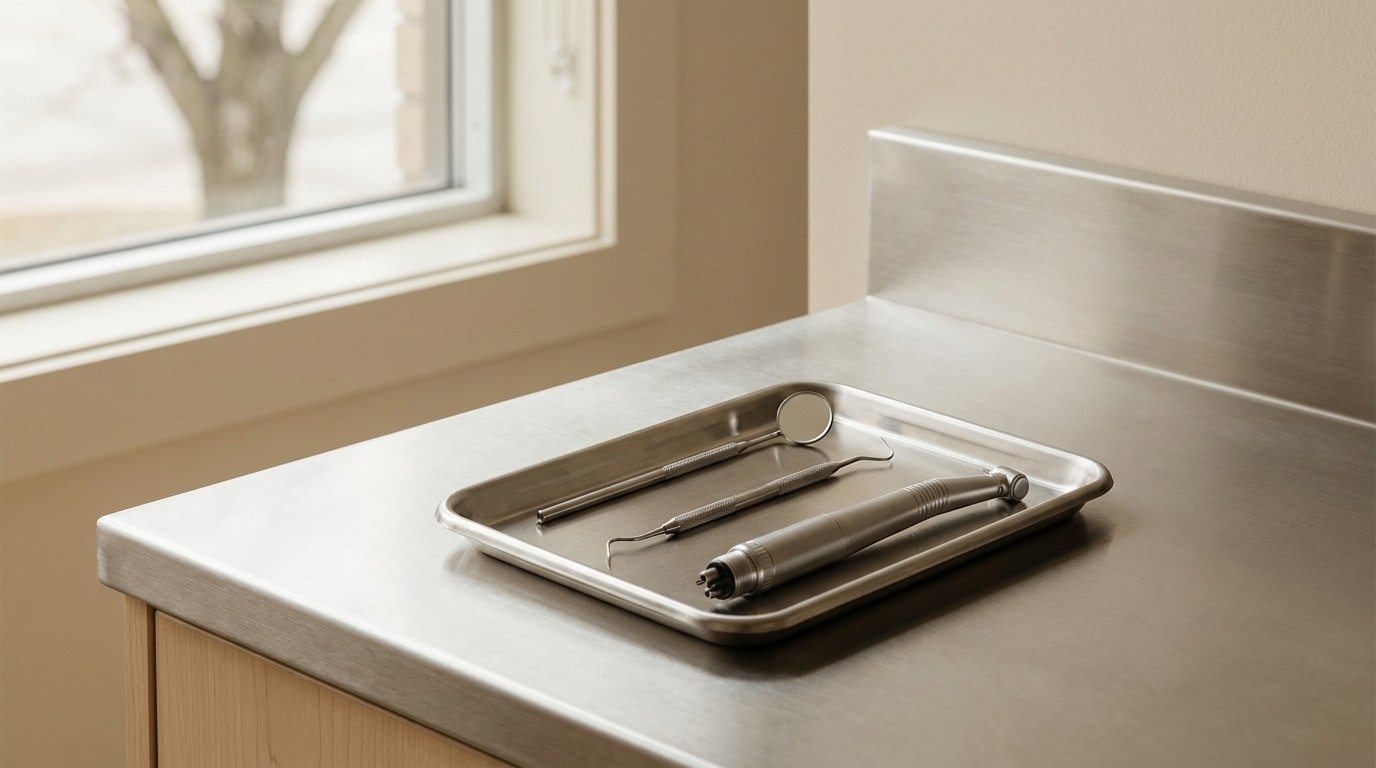
The tooth is reduced by a small, deliberate amount on all sides and across the top. This is what creates room for the crown so that it fits over the tooth without standing higher than the teeth around it.
The amount removed depends on the crown material, because different materials need different thicknesses to be strong. This is one of the reasons material choice gets decided before the tooth is prepared rather than after.
Step four, capturing the impression
An impression or digital scan records the prepared tooth, the teeth beside it, and how your upper and lower teeth meet. All three pieces matter. Without the bite relationship, a laboratory can build a beautifully shaped crown that hits first every time you close.
If the gum is bleeding slightly or sitting over the margin of the preparation, a fine retraction cord may be placed briefly to move the tissue clear. It feels like mild pressure and comes out before the impression is taken.
Step five, the temporary crown
A temporary crown is shaped and cemented over the prepared tooth. It is not a cosmetic afterthought. It protects the tooth from hot and cold, stops the neighbouring teeth drifting into the space, and keeps the gum in the correct position so the final crown seats cleanly.
Temporaries are held with a softer cement so they can be removed easily at the next visit. Treat sticky foods with caution and floss by pulling the floss out sideways rather than up through the contact.
Step six, fitting and cementing the final crown
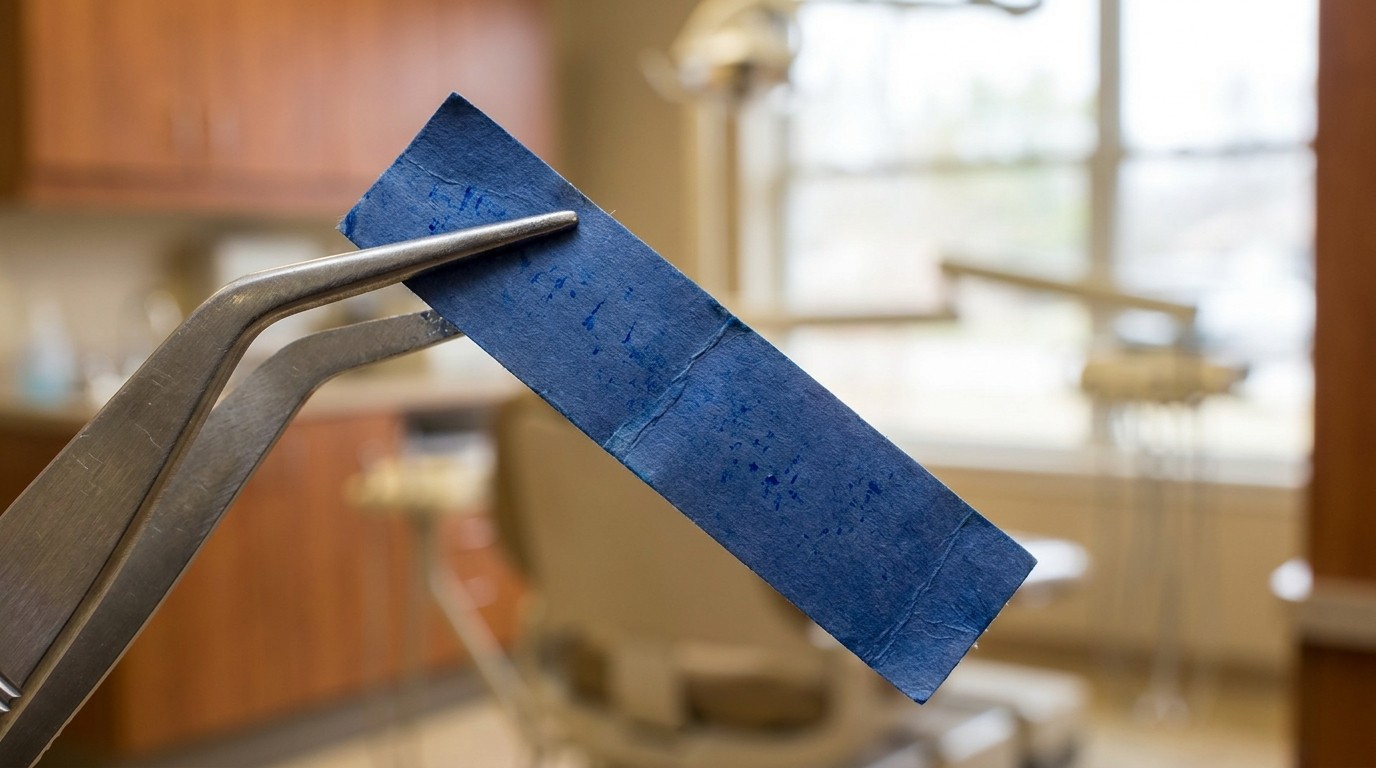
At the second visit the temporary is removed and the finished crown is tried on. Before anything is cemented permanently, three things get checked: how the crown meets the tooth at the margin, how it contacts the teeth on either side, and how it meets the opposing tooth when you bite.
You will be asked to bite on marking paper and to grind side to side so any high contact can be adjusted. Once everything checks out, the crown is cemented, excess cement is cleaned away carefully including below the gum line, and the bite is confirmed one last time.
It is normal for the area to feel slightly different for a few days while you get used to the new shape. Persistent soreness when biting is worth a quick call, because it usually means a small bite adjustment is needed and that takes only a few minutes.
The first week with a new crown
Most people forget the crown is there within a week. In the first few days, a few sensations are worth expecting so you can tell the ordinary from the worth reporting.
Mild sensitivity to cold is common, particularly if the tooth still has a living nerve, and it usually settles as the tooth recovers from being worked on. Gum tenderness around the crown is also normal for a day or two, especially if retraction cord was used or the crown sits below the gum line at the margin. Both of those tend to improve steadily rather than get worse.
Brush normally from the first day. The crown itself cannot decay, but the tooth underneath it can, and the margin is where that starts.
Floss the crown daily, easing the floss out sideways rather than snapping it up through the contact.
Give it a day or two before testing it on anything very hard, such as ice or nuts.
Call the office if the tooth is sore when you bite, if sensitivity is getting stronger rather than fading, or if floss suddenly shreds at that contact.
That last one is worth knowing. Floss that catches or tears at the same spot repeatedly usually means there is a rough edge or a small overhang at the margin, and it is a simple thing to check and correct early rather than leave alone.
Common questions
How much of the tooth is removed for a crown?
A thin, even layer from the sides and biting surface, enough to make room for the crown material without weakening the tooth. The exact amount depends on which material is being used.
Will I be able to eat after the first appointment?
Yes, once the freezing wears off. Chew on the other side for the first day or so and avoid sticky foods that could pull the temporary loose.
Why does my bite feel different after the crown is cemented?
A slightly unfamiliar feeling for a few days is common while your mouth adapts. If it feels genuinely high when you tap your teeth together, or the tooth is sore when you bite, call the office for a bite adjustment.
Can a crown be placed on a tooth that has had root canal treatment?
Yes, and it is often recommended. A tooth that has had root canal treatment is more brittle, so a crown protects it from fracturing. Dr. Lesko performs root canal treatment in house at TLC, so both stages can be coordinated in one place.
Does the whole process require freezing twice?
Usually the preparation appointment is frozen and the fitting appointment is not, although freezing can be used at the fitting if the tooth is sensitive or if you would simply prefer it.
If a crown has been recommended and you would rather understand the procedure before sitting down for it, we are glad to walk you through it. Dr. Kyle Lesko and the team at TLC Family Dental Centre in Leduc will examine the tooth, explain the options in plain language, and give you a clear written estimate after your exam. Book online or call us at 780.980.5115.
About
Featured Posts




Explore Topics