Veneers vs Lumineers: Understanding the Difference
Veneers vs Lumineers comes down to prep and thickness. Traditional veneers need a thin layer of enamel removed, while Lumineers are an ultra-thin no-prep brand that often needs little or none.

Dr. Kyle Lesko
The quick version
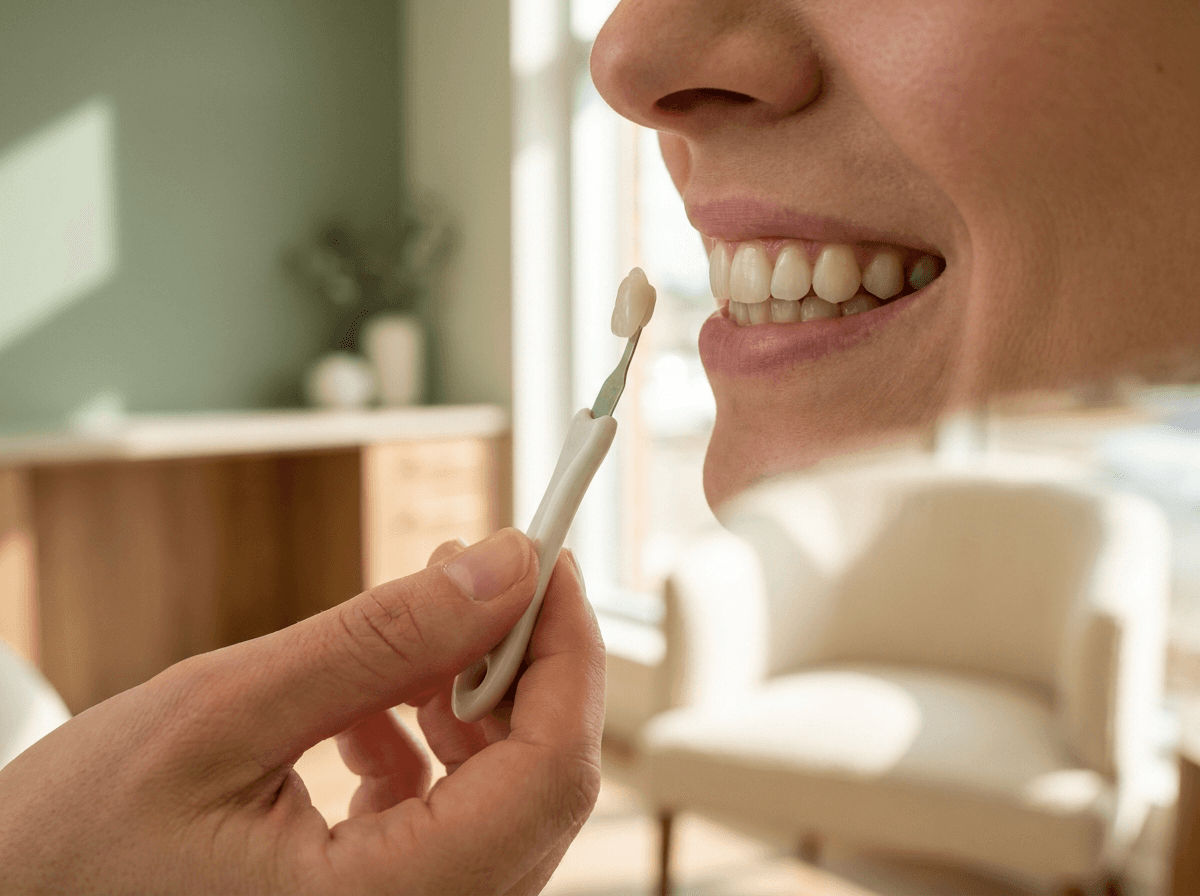
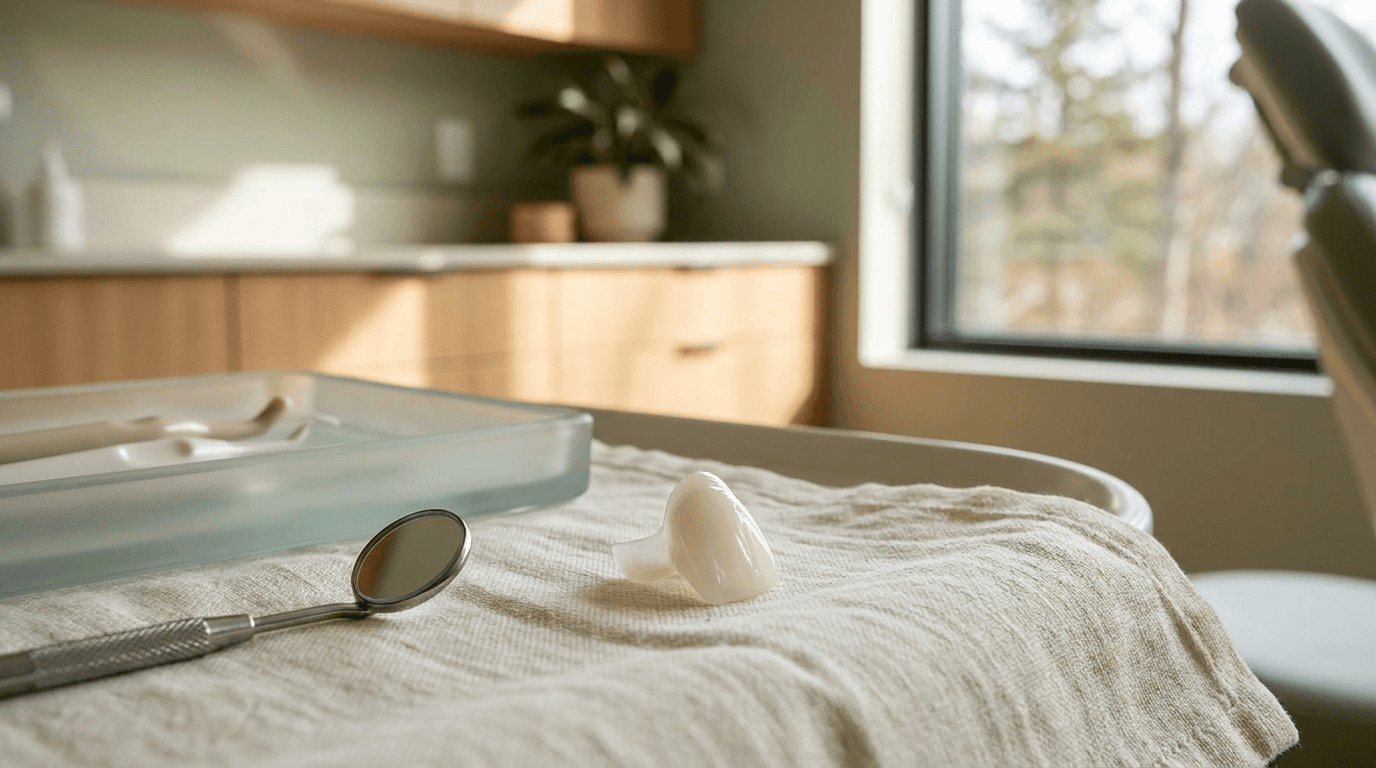
A veneer is a thin shell of porcelain bonded to the front of a tooth to improve its look.
Because no-prep Lumineers usually leave your natural enamel intact, they are often described as potentially reversible.
Both can look beautifully natural when they are well planned and well made.
Both traditional veneers and Lumineers can last many years with good care, and the porcelain itself is strong and stain resistant.
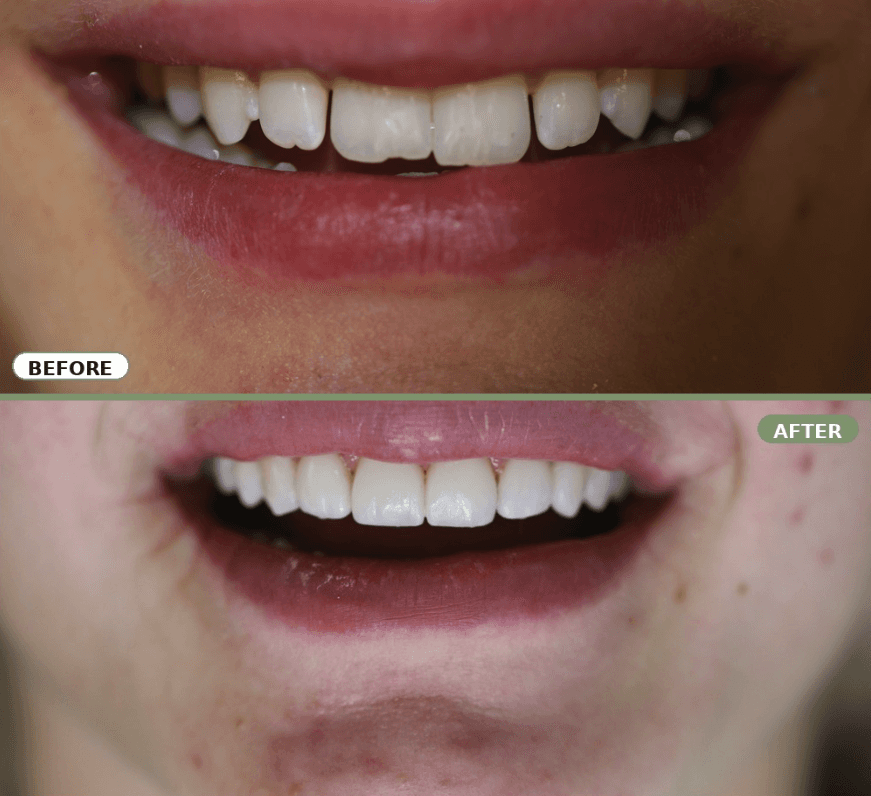
When you weigh veneers vs Lumineers, the main difference is how much tooth is reshaped. Traditional porcelain veneers are a little thicker and usually need a thin layer of enamel removed first, while Lumineers are an ultra-thin no-prep brand of veneer that often needs little or no enamel removed. Both cover the front of your teeth to change colour, shape, and small gaps.
For patients in Leduc and the greater Edmonton area thinking about a smile makeover, this choice can feel confusing because the two are so similar. At TLC Family Dental Centre, Dr. Kyle Lesko helps people understand what each option asks of their teeth before anything is decided. This guide walks through prep, thickness, reversibility, longevity, and who tends to suit each one.
Veneers vs Lumineers: What Is the Difference?
A veneer is a thin shell of porcelain bonded to the front of a tooth to improve its look. Traditional porcelain veneers and Lumineers are both veneers, so they do the same job. The difference is in the porcelain itself and how the tooth is prepared. Traditional veneers are slightly thicker and usually require light reshaping of the enamel. Lumineers are a brand of very thin veneer designed to need little or no prep.
Think of it as two routes to a similar finish. One route smooths the tooth a little so the new shell sits flush and natural. The other lays a wafer-thin shell over the tooth almost as it is. Neither is automatically right. The better fit depends on the shape, colour, and position of your teeth, which is exactly what an exam reveals.
Prep and Thickness
This is where the two options really part ways. Because traditional veneers are a touch thicker, a small amount of enamel is gently removed so the finished tooth does not look or feel bulky. Lumineers are thin enough that many cases need no enamel removed at all, which is why they are called a no-prep veneer.
That sounds like a clear win for Lumineers, but there is a trade-off. With less prep, the porcelain has to be very thin, and thin porcelain can be harder to make look natural on darker or larger teeth. Dr. Lesko weighs both sides so the result suits your smile rather than just following a label.
Are Lumineers Reversible, and Are Traditional Veneers Permanent?
Because no-prep Lumineers usually leave your natural enamel intact, they are often described as potentially reversible. Traditional veneers, on the other hand, are considered a permanent change because a thin layer of enamel is removed and enamel does not grow back. This is a key point to understand before you commit.
In plain terms, once enamel is reshaped for a traditional veneer, that tooth will generally always need a veneer or crown to look and function well. Lumineers can sometimes be removed because the tooth underneath is largely untouched, though removal still calls for professional care. Dr. Lesko will always explain which path you are choosing and what it means for the long run, since honesty here matters more than a quick yes.
What This Means for Your Decision
Reversibility appeals to people who feel cautious about a permanent change. If that is you, the no-prep route can offer some peace of mind. Still, reversibility is not a reason on its own to pick one option. The finished look and how well it suits your teeth matter just as much, and a no-prep veneer is not the right answer for every smile.
Which Looks More Natural, Veneers or Lumineers?
Both can look beautifully natural when they are well planned and well made. The difference shows up most on teeth that are dark, worn, or crowded. Traditional veneers, being slightly thicker, can mask deeper discolouration and reshape a tooth more dramatically. Very thin Lumineers can let some of the underlying colour show through if the natural tooth is quite dark.
So the "more natural" winner is not fixed. For lightly stained, well-aligned teeth, a no-prep veneer can look wonderfully natural and conservative. For teeth that need more colour change or shape correction, traditional veneers often give the dentist more room to create a seamless result. The skill of the dentist and the lab shapes the outcome as much as the brand does.
Things That Affect the Final Look
Your starting tooth colour. Darker teeth can show through very thin porcelain, so they may need a thicker veneer to hide the shade.
Tooth position. Teeth that stick out a little may look bulkier with a no-prep veneer, since nothing is reduced first.
The shade and shape chosen. A good plan matches the new teeth to your face, your other teeth, and the look you want.
The lab and the dentist. Careful design and bonding make the biggest difference to how natural the result feels.
How Long Do Veneers and Lumineers Last?
Both traditional veneers and Lumineers can last many years with good care, and the porcelain itself is strong and stain resistant. There is no fixed expiry date, and longevity depends far more on how you treat them than on which type you choose. With regular checkups and sensible habits, many people enjoy their veneers for a long time.
A few habits protect your veneers either way. Brushing and flossing daily keeps the gum line healthy, since veneers cover the front of the tooth but not the edges where decay can start. Avoiding habits like biting nails, chewing ice, or using your teeth as tools helps prevent chips. If you grind your teeth at night, a custom night guard can add real protection. You can learn more about lifespan in our guide to how long porcelain veneers last.

Who Suits Veneers, and Who Suits Lumineers?
Neither option is right for everyone, and the honest answer is that it depends on your teeth. As a general guide, traditional veneers often suit people who want a larger change in colour or shape, while no-prep Lumineers can suit people with healthy, well-aligned teeth who want a conservative refresh. An exam is the only way to know which fits you.
Dr. Lesko often points to a few common patterns when patients ask:
Traditional veneers can be a good match when teeth are noticeably discoloured, slightly worn, or need their shape changed for a more even smile.
No-prep veneers like Lumineers can be a good match when teeth are fairly light, well positioned, and you prefer to keep your enamel untouched.
Neither may be ideal if you have active gum disease, untreated decay, or heavy grinding, which usually need attention first.
It is worth remembering that veneers are one tool among several. Whitening, bonding, or orthodontics may reach your goal with less change to the teeth, and Dr. Lesko will mention those when they make sense. You can explore the bigger picture in our overview of cosmetic dentistry options.
What Does the Process Feel Like?
For most patients, getting veneers is comfortable and does not hurt the way people often expect. Traditional veneers usually take two visits. At the first, the teeth are gently prepared and an impression is taken, and you wear temporary veneers while the lab crafts the final porcelain. At the second visit, the veneers are bonded into place and adjusted until they feel right.
No-prep veneers can sometimes skip the temporaries because little or no enamel is removed, so some patients find the process even simpler. Mild sensitivity for a few days is normal in either case and usually settles. If you feel anxious about dental work, oral sedation is available at TLC Family Dental Centre to help you relax during your appointment. This article is general information, so an in-person exam with Dr. Lesko is the only way to get advice tailored to you.
What Will Veneers or Lumineers Cost?
Cost is a fair question, and it varies from person to person because every smile is different. The total depends on what your exam reveals, including how many teeth you want treated, the condition of those teeth, and the materials your case calls for. For that reason, we do not quote a number before seeing you.
What we offer is clarity. After your exam at TLC Family Dental Centre, you receive a clear written estimate, and payment plans are available so you can plan with confidence. That way you can make a calm, informed choice rather than a rushed one.
Frequently Asked Questions
What is the difference between veneers and Lumineers?
Both are porcelain veneers bonded to the front of your teeth, so they do the same job. Traditional veneers are slightly thicker and usually need a thin layer of enamel removed first. Lumineers are a brand of very thin no-prep veneer that often needs little or no enamel removed.
How long do Lumineers last?
Lumineers can last many years with good care, much like traditional veneers. There is no fixed expiry date, and how long they last depends mostly on your daily habits. Brushing and flossing, regular checkups, and avoiding hard biting all help your veneers stay healthy and intact for a long time.
Which looks more natural, veneers or Lumineers?
Both can look very natural when they are well planned. No-prep veneers can look wonderfully natural on light, well-aligned teeth. Traditional veneers often look more seamless on teeth that are darker or need a bigger shape change, since the slightly thicker porcelain can mask more. The dentist's skill matters as much as the brand.
Are Lumineers reversible?
Often, yes, because no-prep Lumineers usually leave your natural enamel intact, so the tooth underneath is largely untouched. Traditional veneers are considered permanent because a thin layer of enamel is removed and does not grow back. Any removal should still be done by a dentist, so it is worth discussing your goals first.
If you are considering a brighter, more even smile, the team at TLC Family Dental Centre in Leduc would be glad to help. Dr. Kyle Lesko will examine your teeth, explain the difference between veneers and Lumineers in plain language, and provide a clear written estimate after your exam. Book your consultation online or call us at 780.980.5115. You can find us at 5209 Discovery Way #4 in Leduc, serving patients across the Edmonton area.
About
Featured Posts


Explore Topics