
How Long Do Porcelain Veneers Last? An Honest Timeline
Porcelain veneers usually last around ten to fifteen years, and many people keep them longer with good care. How long they last depends mostly on your habits, your bite, and how well you protect them.

Dr. Kyle Lesko
The quick version
In everyday use, well-made porcelain veneers commonly last ten to fifteen years, and many go longer when you care for them.
Several daily factors shape veneer lifespan, and most of them are within your control.
Porcelain veneers have real trade-offs worth understanding before you start.
Yes, you can eat almost everything normally with porcelain veneers, including biting into an apple, once they have fully bonded.
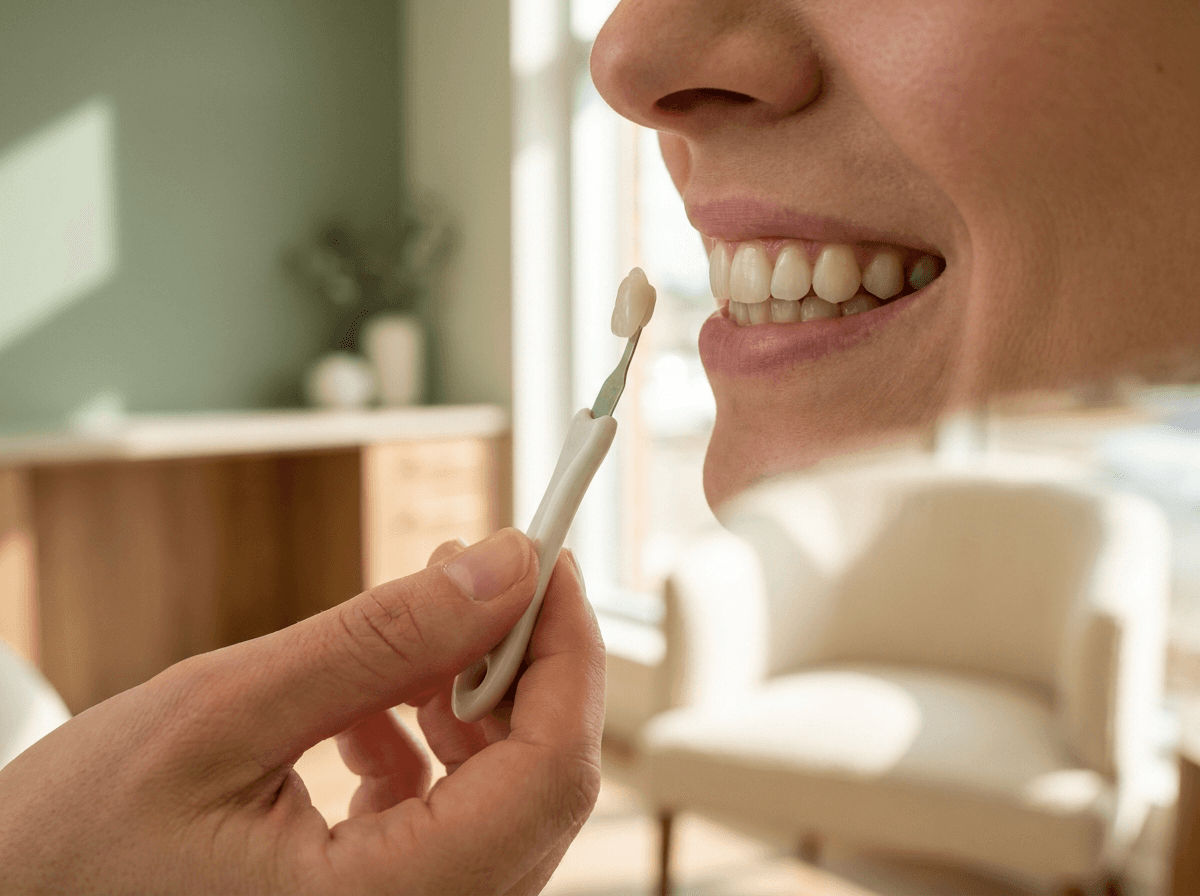
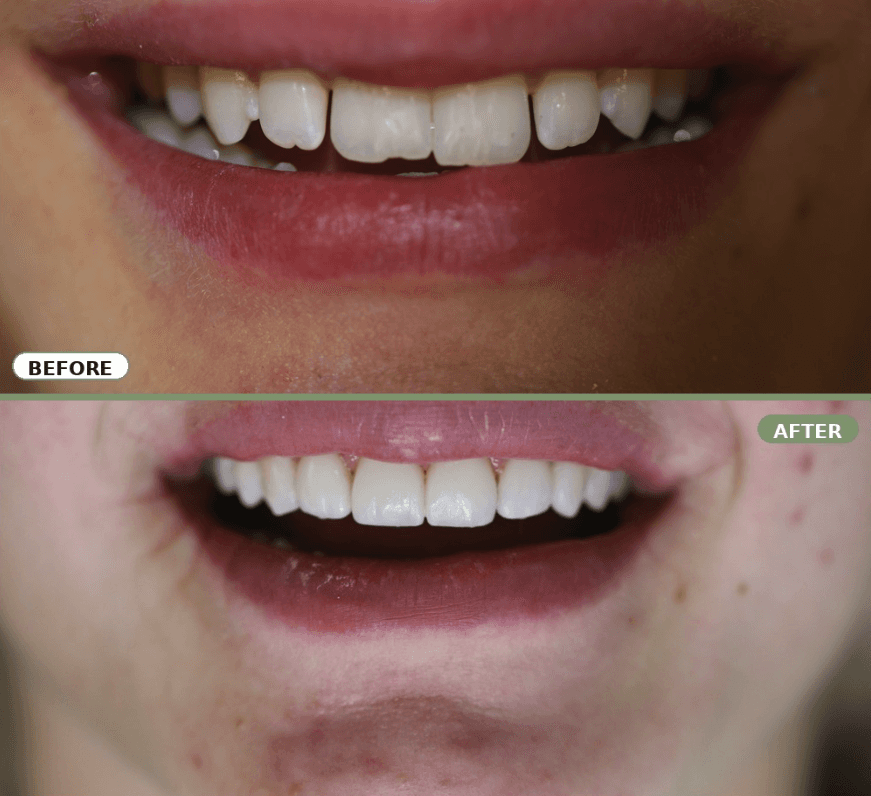
Porcelain veneers usually last around ten to fifteen years, and many people keep them noticeably longer with good care. They are thin shells of porcelain bonded to the front of your teeth, and how long they last depends mostly on your habits, your bite, and how well you protect them day to day. So the honest answer to how long do porcelain veneers last is: a decade or more is realistic, and some last well beyond that.
That range surprises people who expect a permanent fix. Veneers are durable, but they are not indestructible, and they do not last forever. Dr. Kyle Lesko at TLC Family Dental Centre in Leduc walks patients through this before treatment, because knowing the real timeline helps you decide with clear eyes rather than wishful thinking.
How long do porcelain veneers last in real life?
In everyday use, well-made porcelain veneers commonly last ten to fifteen years, and many go longer when you care for them. Porcelain is strong, stain-resistant, and holds its colour well over time. The bond that holds each veneer to the tooth is the part that ages, and steady home care is what keeps that bond healthy for the long run.
Lifespan is not really about luck. It comes down to a handful of practical things: the health of the tooth underneath, how your bite distributes force, whether you grind at night, and how consistently you brush, floss, and keep your checkups. Many people in the Edmonton area get a decade of confident smiling from their veneers and only think about replacement when one chips or the edge starts to show wear.
If you are still weighing your choices, it helps to look at the wider range of cosmetic options for your smile before committing to veneers specifically. That gives you context for what a veneer actually does and why its timeline looks the way it does.
What affects how long porcelain veneers last?
Several daily factors shape veneer lifespan, and most of them are within your control. Grinding, biting hard objects, gum health, and oral hygiene all influence whether veneers last closer to ten years or well past fifteen. The porcelain itself is tough, but the tooth and the bond behind it are living, working parts of your mouth.
Here are the factors that tend to matter most:
Teeth grinding. Clenching or grinding at night puts heavy force on the edges of veneers. A night guard takes a lot of that pressure off.
Biting hard things. Ice, pens, fingernails, and hard candy can chip porcelain. Veneers handle normal eating well, but not abuse.
Gum health. If gums recede, the margin where the veneer meets the tooth can become visible or vulnerable. Healthy gums keep that line hidden and protected.
Daily cleaning. Brushing twice a day and flossing keeps decay away from the natural tooth underneath, which is what the veneer relies on.
Regular checkups. Professional cleanings let your dental team spot a loose edge or small chip early, before it becomes a bigger problem.
Dr. Lesko often reminds patients that a veneer does not get cavities, but the tooth it sits on still can. That is why the care routine matters just as much after veneers as before. The veneer protects the front of the tooth; you protect everything else.
What are the honest downsides of porcelain veneers?
Porcelain veneers have real trade-offs worth understanding before you start. The main one is that placing them usually means removing a thin layer of enamel from the front of each tooth. Veneers can also chip, the bond can loosen over years, and you will eventually need replacements. None of this should scare you off, but you deserve the full picture.
Some enamel is removed
To make room so the veneer sits flush and looks natural, your dentist gently shapes away a small amount of enamel. Enamel does not grow back. This is the single most important thing to understand, because it shapes whether the change can be undone later, which we cover below.
They can chip or come loose
Porcelain is strong, but a hard bite on the wrong thing can chip an edge. Over many years, the bond can also weaken, and a veneer may need to be re-bonded or replaced. These are usually manageable repairs rather than emergencies, and catching them early at a checkup keeps things simple.
Sensitivity and adjustment
Because some enamel is removed, a few people notice mild sensitivity to hot or cold in the first while. For most, this settles down. Your bite may also feel slightly different at first as you get used to the new surfaces, and that feeling usually fades within days.

Can you eat normally and bite into an apple with veneers?
Yes, you can eat almost everything normally with porcelain veneers, including biting into an apple, once they have fully bonded. Veneers are built to handle daily chewing. The smart move is to be a little thoughtful with very hard foods and to avoid using your teeth as tools, since sharp, concentrated force is what tends to cause chips.
In practice, most people forget their veneers are there within a week or two of eating. A few simple habits help them last:
Bite into hard foods like apples or crusty bread with your back teeth when you can, rather than tearing with the very front.
Skip ice chewing, hard candy, and using your teeth to open packaging.
Wear a night guard if you grind, and ask about a mouthguard for contact sports.
Keep up daily brushing and flossing so the tooth underneath stays healthy.
If you are still comparing materials, it is worth understanding the differences in composite versus porcelain veneers, since the two wear and last quite differently over time.
Can you go back to your natural teeth after veneers?
In most cases, no, you cannot simply return to your original natural teeth after porcelain veneers. Because a thin layer of enamel is removed during the process, the prepared teeth will usually need some kind of covering from then on. This is why veneers are considered a long-term commitment rather than a temporary change.
That does not mean you are stuck with the exact same veneers for life. When a veneer wears out or you want a refresh, it can be replaced with a new one. What does not come back is the enamel that was shaped away at the start. For many people this trade is well worth it, but it is exactly the kind of decision Dr. Lesko thinks should be made slowly and with full information.
For patients who want a change with less enamel removal, there are other paths worth discussing at a consultation. The right answer depends on your teeth, your goals, and your bite, which is something only an in-person exam can sort out.
An honest picture for Leduc patients
Porcelain veneers are a durable, long-lasting way to improve the look of your smile, and ten to fifteen years of confident wear is a realistic expectation with good care. They are not permanent, some enamel is removed, and they will need replacing eventually. Knowing all of that up front is what makes the result feel like a genuinely good decision rather than a surprise down the road.
This article is general information, so a hands-on exam is the only way to know whether veneers suit your teeth and your goals. When cost comes up, it varies by case, and you receive a clear written estimate after your exam, with payment plans available. For nervous patients, oral sedation is available as a comfort option to make treatment easier.
If you are thinking about veneers, the team at TLC Family Dental Centre in Leduc is glad to help. Book your consultation online or call us at 780.980.5115, and Dr. Kyle Lesko will give you a straight, plain-language read on what is realistic for your smile. You will find us at 5209 Discovery Way #4 in Leduc, serving patients across the greater Edmonton area.
Frequently Asked Questions
How long do porcelain veneers last?
Porcelain veneers commonly last around ten to fifteen years, and many people keep them longer with good care. How long yours last depends on your bite, whether you grind, and your daily cleaning habits. Results vary from person to person, so an exam gives the clearest picture.
What are the downsides of porcelain veneers?
The main downside is that a thin layer of enamel is removed to place them, which cannot grow back. Veneers can also chip, the bond can loosen over years, and they will eventually need replacing. For many people the natural-looking result is well worth these trade-offs.
Can you bite into an apple with veneers?
Yes, you can bite into an apple with porcelain veneers once they are fully bonded. Veneers handle normal eating well. It is wise to use your back teeth for very hard foods and to avoid ice and using your teeth as tools, since sharp force is what tends to cause chips.
Can you go back to your natural teeth after veneers?
In most cases you cannot return to your original natural teeth, because some enamel is removed during the process. The prepared teeth will usually need a covering from then on. Veneers can be replaced when they wear out, but the lost enamel does not come back, so it is a long-term choice.
About
Featured Posts


Explore Topics