Dental Bonding for Chipped and Gapped Teeth: Is It Right for You?
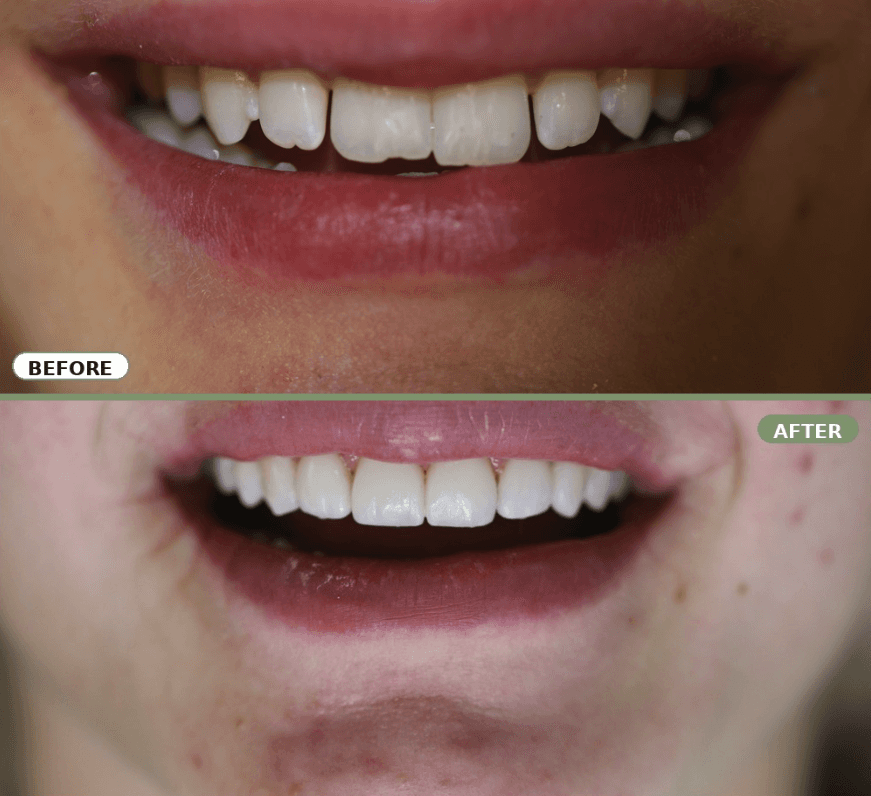
Yes, dental bonding can fix both chipped and gapped teeth. A tooth-coloured resin is applied, sculpted into shape, and hardened with a curing light to rebuild broken edges and close small spaces, often in a single visit and with little or no drilling.

Dr. Kyle Lesko

The quick version
Yes, dental bonding can fix both chipped and gapped teeth.
The process is quick and comfortable, and it usually takes about thirty to sixty minutes per tooth.
Dental bonding typically lasts somewhere between three and ten years before it needs a touch-up or replacement.
Dental bonding is fast, gentle, and reversible, but it is not as strong or as stain-resistant as porcelain options.
Dental bonding is a cosmetic treatment where a tooth-coloured resin is applied to your teeth, then shaped and hardened to repair chips, close small gaps, and reshape uneven edges. It can fix chipped and gapped teeth in a single visit, blending into your natural smile. Most of the time, no drilling is needed.
A chipped front tooth is one of the reasons patients call our Leduc office asking to be seen right away, often before a photo, a wedding, or a Monday meeting. In our experience most people are not sure whether a small chip is an emergency, a cosmetic fix, or something they can safely leave alone. Dr. Kyle Lesko handles bonding as part of the comprehensive cosmetic care we do in-house at TLC, so below we walk through how it works, how long it lasts, the honest pros and cons, and how it compares with veneers.
What is dental bonding, and can it fix chipped and gapped teeth?
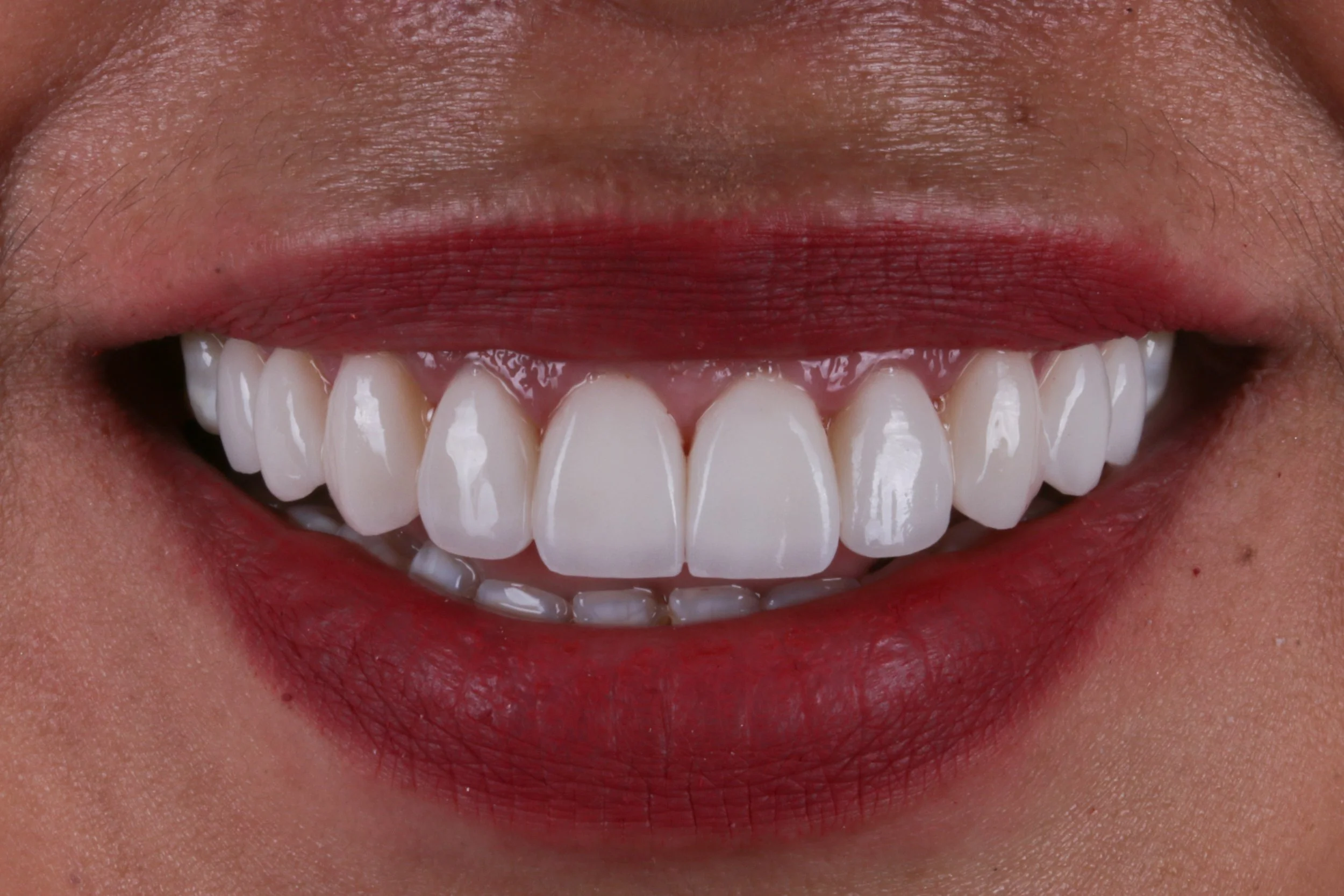
Yes, dental bonding can fix both chipped and gapped teeth. A soft, tooth-coloured composite resin is applied to the tooth, sculpted into shape, and hardened with a curing light. It rebuilds a broken edge, closes a small space between teeth, and smooths rough spots, all while matching the colour of your natural teeth.
Bonding works best for smaller, front-of-mouth cosmetic concerns rather than large repairs. It is a gentle, conservative option because it usually keeps your natural tooth intact, with little or no enamel removed. In our Leduc office we often see chips that look alarming to the patient but are shallow enough to rebuild in one sitting. If you are dealing with a fresh break, our guide on what to do about a chipped tooth walks through the first steps to take.
Come in today, or safe to wait?
Not every chip is urgent, but a few signs mean you should be seen quickly rather than left guessing. We keep same-day appointments open for dental emergencies, so a painful or sharp break does not have to wait. Here is how we sort it out at TLC.
Come in today if the tooth aches, feels loose, or is sensitive to hot and cold
Come in today if the edge is sharp enough to cut your tongue or lip
Come in soon if you see a pink or dark spot in the middle of the break
Usually safe to wait if it is a small, painless chip on the edge
Manage at home meanwhile by rinsing with warm salt water and avoiding that side
What bonding is often used for
Bonding is a flexible tool, but it suits some jobs better than others. It tends to help most when the change you want is modest and cosmetic, rather than a full rebuild of a heavily damaged tooth.
Repairing a chipped or slightly cracked front tooth
Closing a small gap between two teeth
Reshaping a tooth that looks short, pointed, or uneven
Covering a stain or discoloured spot that whitening cannot lift
Smoothing a rough or jagged edge you can feel with your tongue
How does the dental bonding process work?
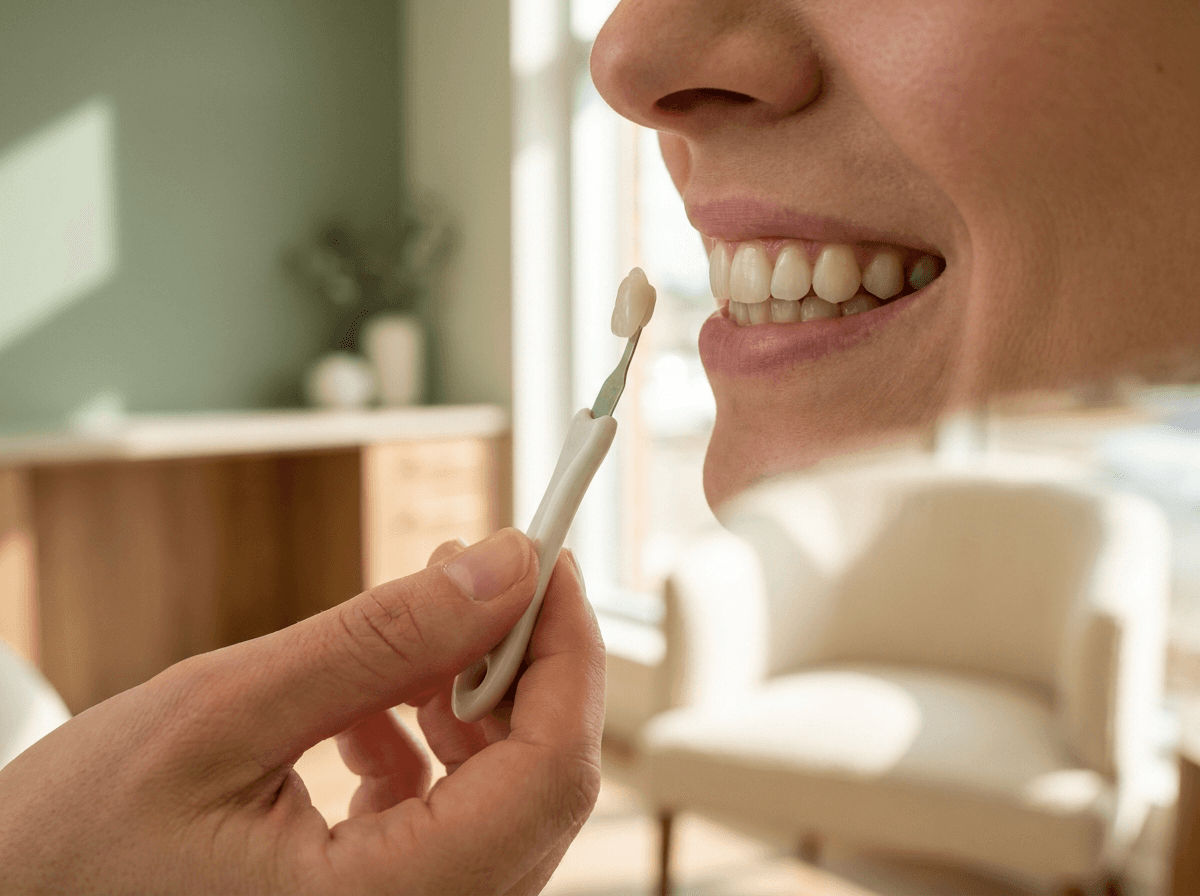
The process is quick and comfortable, and it usually takes about thirty to sixty minutes per tooth. Dr. Lesko lightly prepares the surface, applies the resin, and shapes it by hand to match your tooth. A curing light hardens the material, then he polishes it so it blends in. Most people need only one visit.
Because bonding rarely involves drilling into the tooth, freezing is often not needed at all, though it can be used if you prefer. Here is how we handle the colour at TLC. Dr. Lesko matches the resin to your natural tooth shade before anything is placed, and he studied the biology behind that match through his BSc and DDS at the University of Alberta. The goal is a result that looks like part of your smile, not a patch sitting on top of it.
If you feel anxious about the appointment
Feeling nervous about dental work is completely normal, and it should never keep you from asking questions. For patients who feel uneasy, TLC Family Dental Centre offers oral sedation as a gentle comfort option to help you relax. Bonding is one of the more relaxed procedures we do, and the goal is to keep the whole visit calm.
How long does dental bonding last?
Dental bonding typically lasts somewhere between three and ten years before it needs a touch-up or replacement. How long yours holds up depends on where it sits in your mouth, your daily habits, and how well you care for it. Bonding on a biting edge takes more wear than bonding tucked along a gum line.
Composite resin is durable, but it is not as hard as natural enamel or porcelain, so it can chip or stain over time. The patients we treat who get the longest life out of bonding tend to have one thing in common: they protect it the same way they protect their natural teeth. The good news is that bonding is easy to repair or refresh when it wears, often without redoing the whole thing.
Habits that help bonding last longer
A few small habits make a real difference to how long your bonding stays looking its part. None of this is complicated, and it protects your natural teeth at the same time.
Avoid biting nails, pens, ice, or other hard objects
Do not use your bonded teeth to open packaging
Cut back on coffee, tea, red wine, and tobacco, which can stain resin
Brush and floss gently but consistently every day
Keep up with routine cleanings and check-ups

What are the pros and cons of dental bonding?
Dental bonding is fast, gentle, and reversible, but it is not as strong or as stain-resistant as porcelain options. The main strengths are that it usually preserves your natural tooth, is done in one visit, and looks natural. The trade-offs are that it wears sooner and can chip or discolour over the years.
Being clear about both sides helps you choose with confidence. Bonding shines when you want a modest, conservative change without committing to a bigger procedure. For heavier wear, larger repairs, or a full smile makeover, other options may hold up better and last longer, which is worth weighing before you decide.
The honest trade-offs
Here is a plain look at where bonding helps and where it has limits, so nothing comes as a surprise later.
Pro: often no drilling and little to no enamel removed
Pro: usually finished in a single, comfortable visit
Pro: easy to repair or adjust if it chips
Con: not as strong as porcelain and more likely to chip
Con: can pick up stains over time and does not whiten later
Dental bonding vs veneers: which should you choose?
Bonding and veneers both improve the look of front teeth, but they suit different goals. Bonding uses resin shaped in one visit and is the gentler, more conservative choice. Veneers are thin porcelain shells, custom-made in a lab, that resist stains and last longer, though they usually involve removing a little enamel and take more than one appointment.
Think of bonding as the lighter-touch option and veneers as the longer-lasting, more involved one. If you want to change several teeth or you are after results that hold their colour for many years, veneers may be the better fit. For a single chip or a small gap, bonding is often all you need. Our detailed comparison of dental bonding versus veneers breaks down the differences side by side.
What we recommend, and why
There is no single right answer, and the choice often comes down to how much you want to change and how long you want it to last. When patients ask us to point them one way, this is the honest steer we give.
Small chip or gap on one tooth, want it done today: we usually reach for bonding
Several teeth or a full front-smile refresh: veneers often suit the goal better
Prefer to keep your tooth untouched: bonding is the more conservative choice
Want strong stain resistance for many years: veneers hold their colour longer
Is dental bonding right for you?
The clearest answer comes from an in-person look at your smile. Dental bonding tends to suit people with small chips, gaps, or reshaping goals who want a gentle, single-visit option and healthy teeth to work with. If there is decay, a deep crack, or gum disease, those usually need attention first before any cosmetic work.
This is general information, not a personal diagnosis. During an exam, Dr. Lesko can study the tooth, listen to what you would like to change, and explain what is realistic for you. Because we handle cosmetic care, and treatments like root canals and extractions, in-house at TLC, you are not routinely sent to another office if the tooth turns out to need more than bonding. That means one team follows your smile from the first look through the finished result.
Frequently Asked Questions
Can dental bonding fix chipped and gapped teeth?
Yes. Dental bonding uses a tooth-coloured resin to rebuild a chipped edge and to close small gaps between teeth. It is shaped by hand, hardened with a curing light, and polished to match your natural teeth. It works best for smaller cosmetic changes on front teeth rather than large repairs.
How long does dental bonding last?
Dental bonding typically lasts between three and ten years before it needs a touch-up or replacement. How long yours holds depends on where it sits, your daily habits, and your care. Bonding is easy to repair or refresh when it wears, and good brushing, flossing, and regular check-ups all help it last.
Does dental bonding hurt?
Bonding is usually painless and comfortable. Because it rarely involves drilling into the tooth, freezing is often not needed at all, though it can be used if you prefer. Most people feel only light pressure while the resin is shaped. If you feel anxious, oral sedation is available as a gentle comfort option.
Is dental bonding or a veneer better for a chipped tooth?
It depends on the tooth and your goals. Bonding is the gentler, single-visit choice for a small chip and usually keeps your tooth untouched. Veneers last longer and resist stains but involve more preparation and time. For one small chip, bonding is often enough, while veneers may suit a bigger change.
Talk it through with Dr. Kyle Lesko in Leduc
If a chipped or gapped tooth has been on your mind, the team at TLC Family Dental Centre in Leduc is here to help. Book your consultation online or call us at 780.980.5115, and Dr. Kyle Lesko will look at your smile in person and walk you through what is realistic for you. You will find our office at 5209 Discovery Way #4 in Leduc, and we welcome patients from Leduc and across the greater Edmonton area.
About
Featured Posts




Explore Topics