
Chipped or Broken Tooth? What to Do Right Now
If you chip or break a tooth, rinse gently with warm water, save any pieces in milk or saliva, use gauze for bleeding, a cold compress for swelling, cover sharp edges with dental wax, and call your dentist. Quick, calm action protects the tooth.

Dr. Kyle Lesko

The quick version
Start by staying calm and rinsing your mouth gently with warm water to clean the area.
It depends on the size of the break and how you feel.
Over-the-counter pain relief is usually the most practical first step, taken as directed on the package.
The repair depends on how much of the tooth is damaged.
If you chip or break a tooth, rinse your mouth gently with warm water, save any broken pieces in milk or saliva, and use clean gauze to control bleeding. Apply a cold compress for swelling, cover any sharp edge with dental wax, and call your dentist as soon as you can. Quick, calm action protects the tooth.
A broken or chipped tooth can be unsettling, whether it happened during a meal, a fall, or a game of hockey. The good news is that most cases are very treatable when you act sensibly and reach a dentist promptly. Below, we walk through the immediate steps, how to tell an emergency from a minor chip, how to ease the pain, and how the tooth can be repaired. Dr. Kyle Lesko helps patients across Leduc and the greater Edmonton area handle these moments with less worry.
What should you do if you chip or break a tooth?
Start by staying calm and rinsing your mouth gently with warm water to clean the area. Save any broken pieces in a small container of milk or your own saliva. If there is bleeding, press clean gauze against the spot for several minutes, and use a cold compress on your cheek to ease swelling while you arrange care.
A sharp or jagged edge can scrape your tongue or cheek, so covering it with a little dental wax or sugarless gum gives you a buffer until you are seen. Try not to chew on that side, and avoid very hot or very cold foods and drinks, which can trigger discomfort. Then call your dentist to explain what happened so they can guide your next move.
Your immediate steps at a glance
When you are flustered, a simple checklist helps. None of these steps are complicated, and most use things you already have at home.
Rinse your mouth gently with warm water to clear away debris
Save any broken pieces in milk or saliva to keep them moist
Press clean gauze on the area for a few minutes to slow bleeding
Hold a cold compress to your cheek to limit swelling
Cover a sharp edge with dental wax so it does not cut your tongue
Call your dentist and describe what happened so they can advise you
Is a chipped tooth a dental emergency?
It depends on the size of the break and how you feel. A small, painless chip is urgent-ish rather than critical, so it can usually wait a short time for a regular appointment. A large break with pain, bleeding, or a visibly exposed nerve needs prompt care, because the inside of the tooth is sensitive and vulnerable once it is uncovered.
If you are unsure where your situation falls, it helps to know what counts as a dental emergency before you decide how quickly to act. A useful rule of thumb is to pay attention to pain, swelling, and bleeding. When those are mild or absent, you have a little breathing room. When they are strong, or the tooth feels loose, treat it as time-sensitive and seek emergency dental care rather than waiting it out.
Even a small chip is worth a call, because edges can hide cracks you cannot see. A quick conversation lets the dentist decide whether you should come in today or book soon. When in doubt, reaching out early is always the safer choice for your tooth.
How do you manage pain from a broken tooth?
Over-the-counter pain relief is usually the most practical first step, taken as directed on the package. Avoid chewing on the affected side so you do not put pressure on the damaged tooth, and steer clear of very hot or very cold foods and drinks, which can sharpen sensitivity. A cold compress on your cheek can also calm both swelling and discomfort.
Soft, lukewarm foods are kinder while you wait to be seen, and sipping water at room temperature is easier than icy or hot drinks. If a sharp edge is irritating your tongue, the dental wax mentioned earlier can reduce that nagging soreness. These are comfort measures, not a cure, so they are meant to hold you over until the tooth is properly repaired.
What to avoid while you wait
A few simple habits keep a tender tooth from feeling worse before your appointment.
Avoid chewing hard, crunchy, or sticky foods on the broken side
Skip very hot, very cold, or sugary items that can trigger pain
Do not poke or wiggle the tooth with your tongue or fingers
Keep the area clean with gentle brushing and warm water rinses
How do dentists fix a chipped or broken tooth?
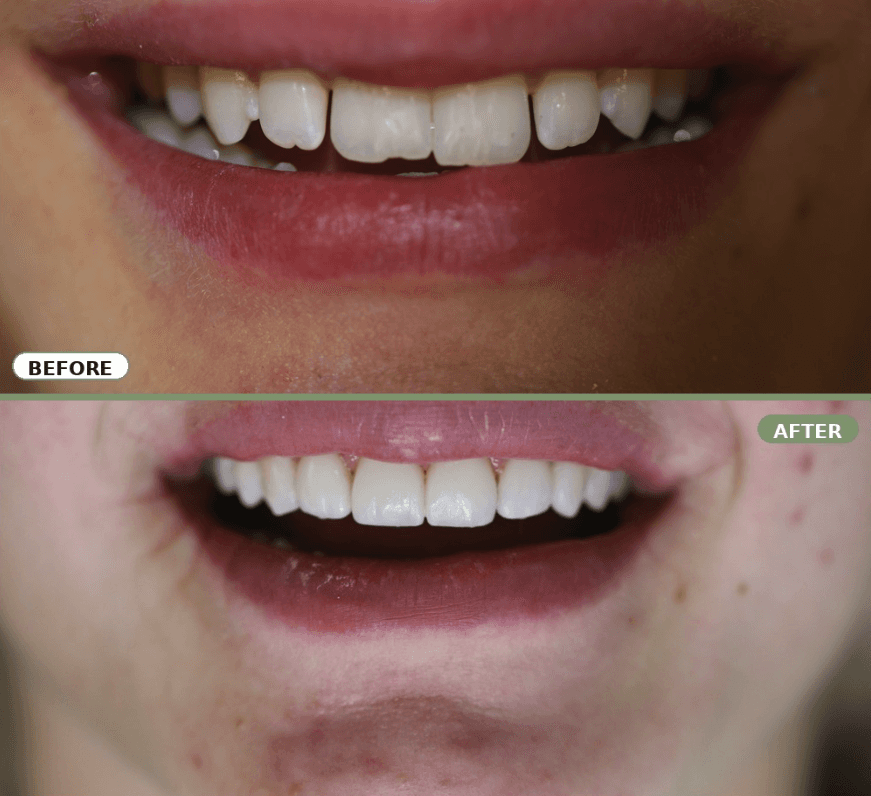
The repair depends on how much of the tooth is damaged. A small chip is often smoothed or rebuilt with tooth-coloured bonding in a single visit. A larger break is usually restored with a crown that covers and protects what remains. If the nerve inside is involved, a root canal may be needed first, and an extraction is considered only as a last resort.
During an exam, Dr. Lesko looks at the size of the break, whether the nerve is affected, and how stable the tooth is. From there, the plan is matched to your tooth rather than a one-size-fits-all fix. For deeper breaks, crowns and bridges can rebuild strength and restore a natural look so the tooth works comfortably again.
Cost varies from person to person depending on the repair, and you receive a clear written estimate after your exam. Payment plans are available, and TLC offers direct billing to most insurers, so you can focus on the tooth rather than the paperwork.
Common repair options by severity
It helps to see how the choices line up with the kind of damage you have.
Small painless chip: smoothing or tooth-coloured bonding
Larger break: a crown to cover and protect the tooth
Nerve involved: a root canal before the tooth is rebuilt
Severely damaged tooth: extraction only as a last resort
What happens if you leave a broken tooth untreated?
Leaving a broken tooth untreated tends to make things worse over time. The opening can let bacteria reach the inner tooth, which raises the risk of infection and pain. The crack can also spread under everyday chewing, turning a manageable repair into a bigger one, and in some cases the tooth is lost when it could have been saved.
An untreated break can also affect nearby teeth and your bite, since you may start favouring one side to avoid discomfort. Small problems are usually easier, gentler, and more predictable to fix than the ones they grow into. That is why even a chip that does not hurt is worth a check, so a quiet issue does not become an urgent one.
How to protect your teeth from breaks
Most broken teeth come from a handful of avoidable causes, so a few habits make a real difference. Wear a mouthguard for sports and other contact activities, since a single knock can chip or crack a tooth. Avoid chewing ice, pens, or hard candy, and have any teeth grinding looked at, because constant clenching slowly weakens enamel.
Regular check-ups also help by catching small cracks and weak spots before they give way. If you grind your teeth at night, a custom night guard can take the pressure off and protect your enamel while you sleep. These simple steps will not prevent every accident, but they meaningfully lower the odds of a sudden break.
Everyday habits that protect your teeth
Small, consistent choices add up to stronger, more resilient teeth.
Wear a mouthguard for sports and other contact activities
Do not chew ice, hard candy, pens, or other hard objects
Ask about a night guard if you clench or grind your teeth
Keep regular check-ups so small cracks are caught early
Frequently Asked Questions
What should you do if you chip or break a tooth?
Rinse gently with warm water, save any broken pieces in milk or saliva, and press clean gauze on the area for bleeding. Use a cold compress for swelling, cover a sharp edge with dental wax, and call your dentist. Avoid chewing on that side and skip very hot or cold foods until you are seen.
Is a chipped tooth a dental emergency?
It depends on the break. A small, painless chip is urgent-ish and can usually wait a short time for an appointment. A large break with pain, bleeding, or an exposed nerve needs prompt care. When pain, swelling, or looseness is strong, treat it as time-sensitive and call your dentist right away.
How do dentists fix a chipped or broken tooth?
The repair depends on severity. Small chips are smoothed or rebuilt with tooth-coloured bonding, while larger breaks are usually covered with a crown. If the nerve is involved, a root canal may come first, and extraction is only a last resort. Dr. Lesko matches the plan to your tooth after an exam.
What happens if you leave a broken tooth untreated?
An untreated break tends to worsen over time. Bacteria can reach the inner tooth and cause infection, the crack can spread under chewing, and the tooth may eventually be lost. Small problems are easier and gentler to fix, so even a painless chip is worth a prompt check with your dentist.
Talk it through with Dr. Kyle Lesko in Leduc
If you have chipped or broken a tooth, the team at TLC Family Dental Centre in Leduc is here to help, and we offer same-week emergency care for moments like these. Book online or call us at 780.980.5115, and Dr. Kyle Lesko will examine the tooth and walk you through your options. You will find our office at 5209 Discovery Way #4 in Leduc, and we welcome patients from Leduc and across the greater Edmonton area.
About
Featured Posts




Explore Topics