
Cracked Tooth: Symptoms, What to Do, and Treatment Options
A cracked tooth is a break in the hard outer surface of a tooth that can range from a tiny surface line to a deep split reaching the root, and it often causes sharp pain when you bite down, sensitivity, and discomfort that comes and goes.

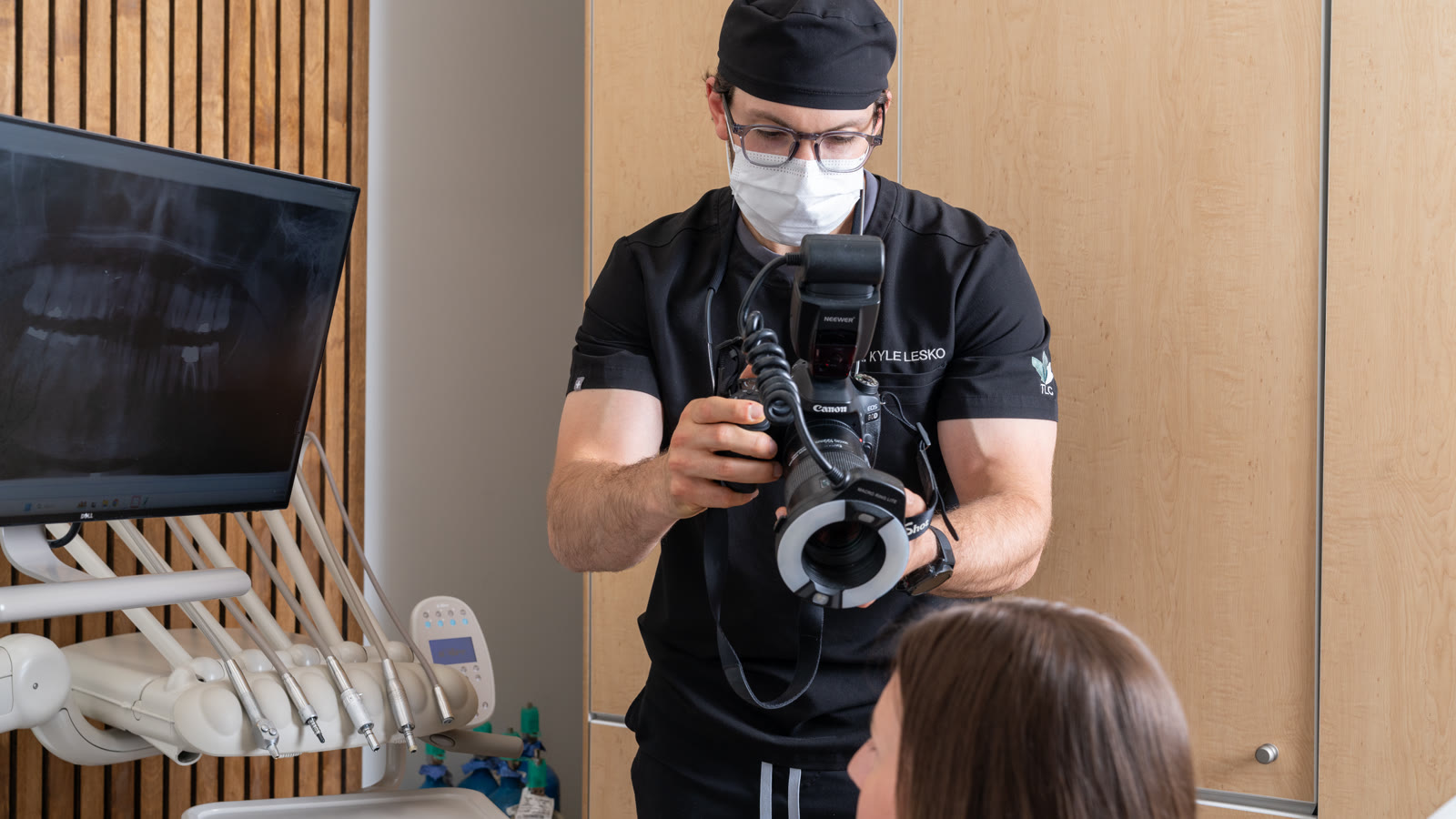
Dr. Kyle Lesko
The quick version
A cracked tooth often feels like a sharp, quick pain when you bite down or release, along with sensitivity to hot, cold, or sweet foods.
Teeth crack when the force placed on them is more than the tooth can absorb, and that happens for several everyday reasons.
Sometimes yes, sometimes no. A cracked tooth is an emergency when you have severe or constant pain, swelling, bleeding, or a piece of tooth that has broken away, since these can signal the inner nerve is involved.
If you think you have cracked a tooth, rinse your mouth gently with warm water, use a cold compress on the outside of your cheek to ease swelling, and avoid chewing on that side.
A cracked tooth is a break in the hard outer surface of a tooth that can range from a tiny surface line to a deep split reaching the root, and it often causes sharp pain when you bite down, sensitivity to hot or cold, and discomfort that comes and goes. Not every crack is an emergency, but most deserve a look.
In our Leduc office, a cracked tooth is one of the more common worries patients call about, and the story is usually the same. Someone bit into something ordinary, felt a quick zing, and now they are not sure whether to panic or wait it out. Dr. Kyle Lesko treats these calmly. He examines the tooth, explains exactly what he is seeing, and helps you decide the right next step rather than rushing you into anything. Below, we walk through what a cracked tooth feels like, why teeth crack, when it counts as urgent, what to do in the moment, and how treatment works.
What does a cracked tooth feel like? Symptoms to watch for
A cracked tooth often feels like a sharp, quick pain when you bite down or release, along with sensitivity to hot, cold, or sweet foods. The pain tends to come and go rather than throb constantly, which is a classic clue. Some cracks cause no symptoms at all and are only found during an exam.
One of the most telling signs is pain when you let go after biting, sometimes called rebound pain. You might also notice a tooth that feels rough to your tongue, catches food, or aches only with certain foods. In our Leduc office we often see patients who have quietly lived with one of these signs for weeks, chewing on the other side without realizing it, because the discomfort never quite settled but never became severe either.
Common signs of a cracked tooth
Cracks show up in different ways, and no single sign confirms one on its own. Still, a few patterns come up again and again, and noticing them early gives you the best chance to protect the tooth.
Sharp pain when biting down or when releasing the bite
Sensitivity to hot, cold, or sweet foods that lingers briefly
Pain that comes and goes rather than a steady, constant ache
A rough edge your tongue keeps finding, or food that catches in one spot
Discomfort that is hard to pin to one exact tooth
What causes a tooth to crack?
Teeth crack when the force placed on them is more than the tooth can absorb, and that happens for several everyday reasons. Biting something hard, grinding your teeth at night, a blow to the face, large old fillings, and the natural wear of aging all make a tooth more likely to crack over time.
Sometimes a crack starts with one clear event, like biting an olive pit, popcorn kernel, or ice cube. More often it builds slowly. The patients we treat for cracks are frequently surprised to learn that years of quiet clenching or grinding, big fillings that leave less healthy tooth around them, and sudden temperature changes can all weaken a tooth until a small crack finally forms and spreads.
Habits and factors that raise the risk
Some cracks are simply bad luck, but many are linked to habits or conditions worth knowing about. Being aware of them can help you protect the teeth you still have.
Grinding or clenching your teeth, often during sleep
Chewing ice, hard candy, popcorn kernels, or pens
Large or older fillings that leave less natural tooth structure
A knock to the mouth from sport, a fall, or an accident
Natural wear over the years, which makes older teeth more brittle
Is a cracked tooth a dental emergency?
Sometimes yes, sometimes no. A cracked tooth is an emergency when you have severe or constant pain, swelling, bleeding, or a piece of tooth that has broken away, since these can signal the inner nerve is involved. A small, painless crack is not urgent, but it still deserves a check before it worsens.
The trouble with cracks is that they rarely heal on their own and often spread with continued chewing. A crack that seems minor today can reach the nerve or root later, turning a simple fix into a bigger one. This is why TLC keeps same-day appointments open for dental emergencies, so a painful or broken tooth does not have to wait days. When you are unsure how serious a situation is, our guide on what to do in a dental emergency can help you judge whether to be seen right away.
Come in today, or safe to wait a few days?
Here is the simple rule we give patients over the phone. If any of the first group is happening, call us the same day. If it is only the second group, you can usually book within the next few days, though sooner is always better with a crack.
Come in today: severe or constant pain, swelling in the gum or face, bleeding, a piece of tooth that has broken off, or fever with tooth pain
Come in today: pain that wakes you at night or does not ease with over-the-counter pain relief
Safe to book soon: a rough edge with no real pain, or brief sensitivity that fades quickly after hot or cold
Safe to book soon: a tooth that only twinges with certain foods and settles right away

What should you do if you think you cracked a tooth?
If you think you have cracked a tooth, rinse your mouth gently with warm water, use a cold compress on the outside of your cheek to ease swelling, and avoid chewing on that side. Take over-the-counter pain relief if you need it, and call a dental office to have the tooth looked at soon.
Try not to test the crack by biting or poking it, since that can push it deeper. If a piece of tooth has broken off, keep it in a little milk or saliva and bring it with you, as it can sometimes help. For fuller guidance, our article on what to do about a chipped or broken tooth walks through the first steps in more detail.
First steps at home
None of these steps fix the crack, but they keep you comfortable and protect the tooth until you can be seen. Simple and calm is the goal.
Rinse gently with warm water to clean the area
Hold a cold compress to your cheek to reduce swelling and pain
Chew on the opposite side and stick to soft foods for now
Use over-the-counter pain relief as directed if you are uncomfortable
Call a dental office to book an exam as soon as you reasonably can
How do dentists treat a cracked tooth?
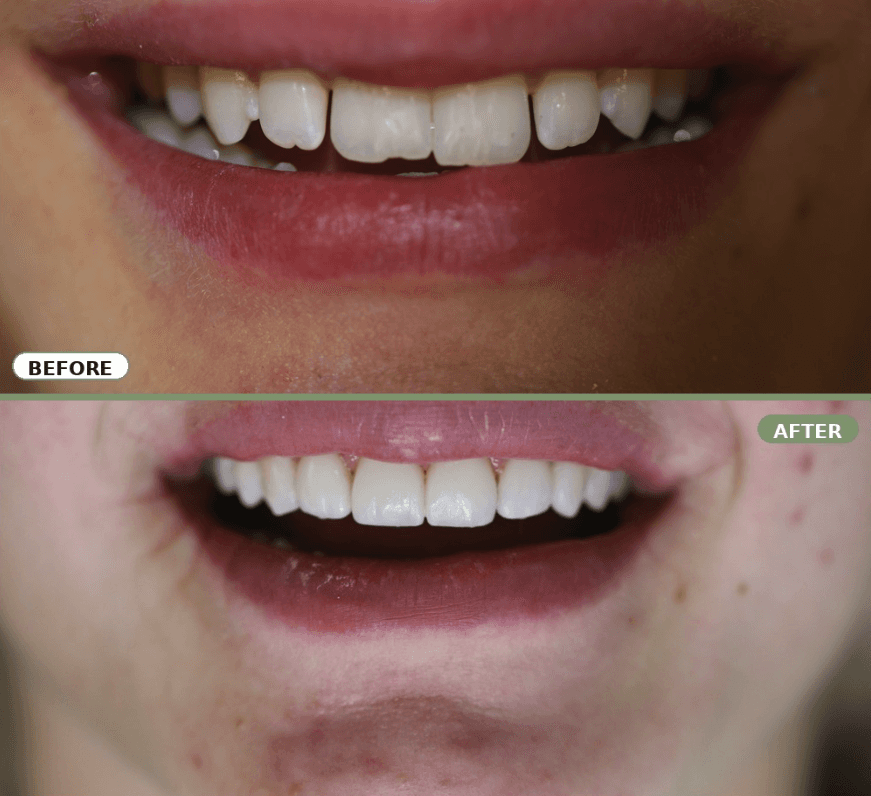
Treatment depends entirely on how deep the crack runs and where it sits. A minor crack may need only bonding or a filling, while a larger one often needs a crown to hold the tooth together. If the crack reaches the nerve, root canal therapy may be needed, and a tooth split below the gum sometimes cannot be saved.
During your exam, Dr. Lesko looks closely at the tooth, checks how it responds, and may take an X-ray to see how far the crack extends. Because cracks vary so much, the plan is matched to your specific tooth rather than a one-size answer. Here is how we handle this at TLC: Dr. Lesko, who earned his BSc and DDS from the University of Alberta, performs root canals and extractions in-house, so most patients are seen through from diagnosis to repair in one place rather than being referred elsewhere.
Common treatment options
Here is a general picture of how different cracks are usually handled. Your own plan comes from what Dr. Lesko finds during the exam.
Bonding or a filling for small, shallow cracks or surface lines
A crown to cover and protect a tooth with a larger crack
Root canal therapy when the crack reaches the inner nerve
Removal and later replacement when a tooth is split too deeply to keep
If you feel nervous about any of this, that is completely normal. For patients who feel uneasy, TLC Family Dental Centre offers oral sedation as a gentle comfort option to help you stay relaxed during treatment.
Can a cracked tooth heal on its own?
No, a cracked tooth cannot heal on its own. Unlike a bone, a tooth has no way to repair a crack in its hard outer layer, so the break stays put and often grows with continued chewing. This is why professional treatment matters, even when the crack seems small or the pain fades for a while.
It is easy to assume that if the discomfort settles, the problem has passed. In reality, a quiet crack can still be spreading beneath the surface. The cases we see keep the tooth most reliably when they come in early, because an early crack usually means a simpler, gentler fix and a better chance of keeping the tooth for the long term rather than losing it later.
Frequently Asked Questions
What does a cracked tooth feel like?
A cracked tooth often causes sharp pain when you bite down or release, along with sensitivity to hot, cold, or sweet foods. The pain usually comes and goes rather than throbbing steadily. Some cracks cause no symptoms at all and are only found during an exam, which is why regular check-ups matter.
Is a cracked tooth a dental emergency?
It can be. Severe or constant pain, swelling, bleeding, fever, or a piece of tooth that has broken away all point to an urgent problem and should be seen promptly. A small, painless crack is not an emergency, but it still deserves a check before it has a chance to spread.
Can a cracked tooth heal on its own?
No. Unlike bone, a tooth cannot repair a crack in its hard outer layer, so the break stays and often grows with continued chewing. Professional treatment is needed even when the pain fades, because a quiet crack can still be spreading. Being seen early usually means a simpler, gentler fix.
How do dentists treat a cracked tooth?
Treatment depends on how deep the crack runs. A minor crack may need only bonding or a filling, while a larger one often needs a crown to hold the tooth together. If the crack reaches the nerve, root canal therapy may be needed, and a deeply split tooth sometimes cannot be saved.
Talk it through with Dr. Kyle Lesko in Leduc
If a cracked or painful tooth has been on your mind, the team at TLC Family Dental Centre in Leduc is here to help. Book your appointment online or call us at 780.980.5115, and Dr. Kyle Lesko will examine the tooth in person and walk you through your options calmly. You will find our office at 5209 Discovery Way #4 in Leduc, and we welcome patients from Leduc and across the greater Edmonton area.
About
Featured Posts




Explore Topics