>
>
What to Do in a Dental Emergency: A Calm, Step-by-Step Guide for Leduc Families
What to Do in a Dental Emergency: A Calm, Step-by-Step Guide for Leduc Families
In a dental emergency, act fast but stay calm: control bleeding, save any knocked-out tooth in milk, rinse gently and call your dentist. Here is exactly what to do for common situations, plus how TLC Family Dental Centre in Leduc helps patients in pain.

Dr. Kyle Lesko

The quick version
A good rule of thumb: if you have uncontrolled bleeding, significant swelling, a tooth that has been knocked out or pushed out of position, or pain that keeps you from sleeping, eating, or focusing, treat it as urgent and call right away.
An adult tooth that has been completely knocked out is one of the few true time-sensitive dental emergencies.
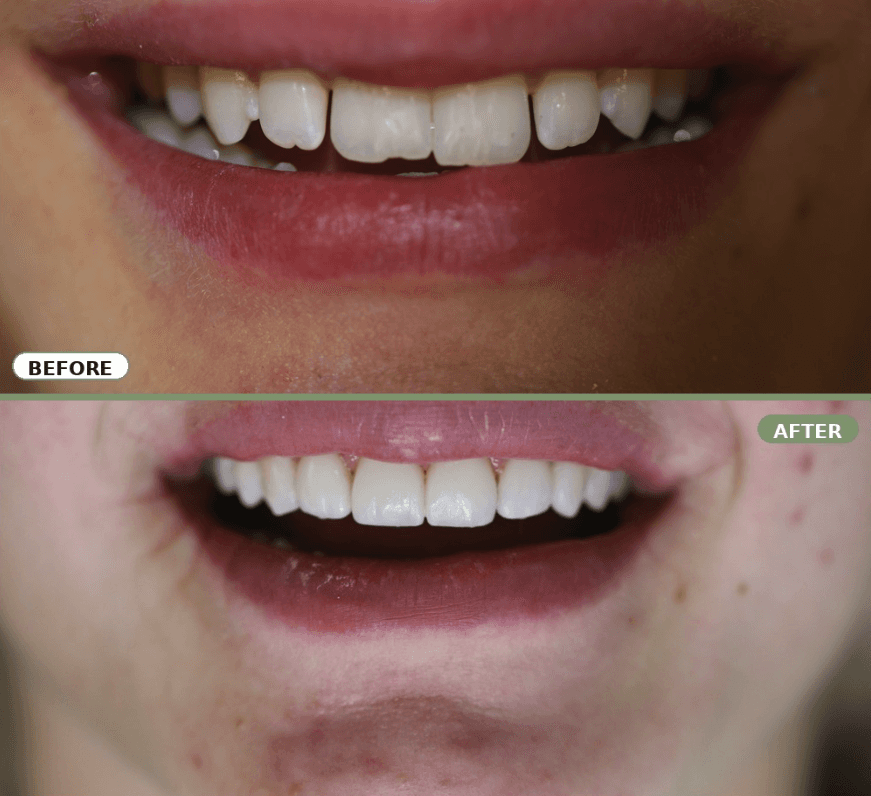
A cracked, chipped, or broken tooth can range from a minor cosmetic nick to a painful break that exposes the inner tooth.
A toothache that is sharp, constant, or wakes you at night often signals an infection or inflammation inside the tooth that will not resolve on its own.
When a tooth is knocked out, broken, or throbbing, the first few minutes matter. The short version: stay calm, control any bleeding with gentle pressure, save any pieces of a tooth (or the whole tooth) and call a dentist promptly. Below you will find clear, situation-by-situation steps for common dental emergencies, what to avoid, and how to reach TLC Family Dental Centre in Leduc when you need help fast.
First, is it a dental emergency?
A good rule of thumb: if you have uncontrolled bleeding, significant swelling, a tooth that has been knocked out or pushed out of position, or pain that keeps you from sleeping, eating, or focusing, treat it as urgent and call right away. Some issues, like a lost filling with no pain, are uncomfortable but can usually wait a day or two for a regular appointment. When you are unsure, it is always reasonable to phone your dentist and describe what is happening so the team can guide you.
Call 911 or go to the nearest emergency room, not a dental office, if you have: trouble breathing or swallowing, swelling that is spreading toward your eye or down your neck, a fever with facial swelling, or a serious injury to the head, jaw, or face. These situations need urgent medical care first.
Knocked-out (avulsed) tooth
An adult tooth that has been completely knocked out is one of the few true time-sensitive dental emergencies. The sooner it is placed back in its socket, the better the chance of saving it.
What to do right now
Pick up the tooth by the white crown (the part you normally chew with), never by the root.
If it is dirty, rinse it gently with milk or saline for a few seconds. Do not scrub it or use soap.
If you can, place the tooth back into the socket and bite down softly on a clean cloth to hold it there.
If you cannot reinsert it, keep the tooth moist in a cup of cold milk. Saliva (holding it inside the cheek for an older child or adult) also works in a pinch.
Call the dentist immediately and head in. Aim to be seen as quickly as possible.
What not to do
Do not let the tooth dry out, and do not store it in plain tap water.
Do not scrub the root or remove any attached tissue.
For a baby tooth that is knocked out, do not try to reinsert it. Call the dentist for advice instead.
Chipped or broken tooth
A cracked, chipped, or broken tooth can range from a minor cosmetic nick to a painful break that exposes the inner tooth.
What to do right now
Rinse your mouth with warm water to clean the area.
If there is bleeding, apply gentle pressure with clean gauze.
Save any broken pieces in milk or saline and bring them with you.
Use a cold compress on the outside of your cheek to ease swelling.
If a sharp edge is irritating your tongue or cheek, dental wax or a piece of sugar-free gum placed over the edge can protect the soft tissue until your visit.
When to call
Call promptly if the tooth is painful, sensitive to temperature, or has a sharp jagged edge. A small chip with no pain can usually wait for a regular appointment, but it is still worth booking so it does not worsen.
Severe toothache
A toothache that is sharp, constant, or wakes you at night often signals an infection or inflammation inside the tooth that will not resolve on its own.
What to do right now
Rinse gently with warm salt water to clean around the tooth.
Floss carefully to remove any trapped food that may be causing pressure.
Use an over-the-counter pain reliever as directed on the label.
Apply a cold compress to the outside of your cheek for swelling or discomfort.
What not to do
Do not place an aspirin tablet directly against the gum or tooth. It can burn the soft tissue.
Do not ignore a toothache that lasts more than a day or two. Pain is your body's signal that something needs attention.
Call the dentist promptly so the cause can be found and treated before it progresses.
Swelling or a possible abscess
Facial swelling, a tender bump on the gum, a bad taste in the mouth, or a pimple-like spot near a tooth can point to a dental abscess, an infection that needs professional care.
What to do right now
Rinse with warm salt water several times a day to soothe the area.
Use a cold compress on the outside of the cheek to reduce swelling.
Call the dentist promptly. An infection will not clear up on its own and can spread if left untreated.
Seek urgent medical care right away if swelling spreads toward your eye or neck, you have a fever, or you have any difficulty breathing or swallowing.
Lost filling or crown
Losing a filling or crown is uncomfortable but rarely an emergency unless there is significant pain.
What to do right now
Keep the crown if you still have it, clean it gently, and bring it to your appointment. In many cases it can be re-cemented.
To protect the exposed tooth, temporary dental cement from a pharmacy can be used as a short-term measure. Sugar-free gum is not a long-term fix but can cover a sharp spot briefly.
Avoid chewing on that side and steer clear of very hot, cold, or sweet foods that may trigger sensitivity.
Call to book a repair soon. The exposed tooth is more vulnerable to damage and decay the longer it is left open.
Object stuck between teeth
Food or a small object wedged between teeth can be surprisingly painful and pushes on the gum.
What to do right now
Gently slide dental floss back and forth to ease the object out.
Rinse with warm water to loosen debris.
What not to do
Never use a pin, needle, or other sharp metal object. It can cut the gum or scratch the tooth.
If you cannot remove it with floss, stop and call the dentist rather than forcing it.
Soft-tissue injury (lips, gums, tongue, cheeks)
Cuts or punctures to the lips, gums, tongue, or inside of the cheeks can bleed a lot, which often looks more alarming than it is.
What to do right now
Rinse gently with mild salt water.
Apply firm but gentle pressure to the area with clean gauze or a moistened tea bag for 15 to 20 minutes.
Use a cold compress on the outside of the mouth to control swelling and discomfort.
If bleeding does not slow after about 15 to 20 minutes of steady pressure, or the cut is deep, seek medical care promptly. You may need stitches.
How TLC Family Dental Centre helps Leduc patients in pain
If you are in pain or dealing with a dental emergency anywhere in Leduc or the surrounding Edmonton area, call us at 780.980.5115 and describe what is happening. Our team will help you figure out the next step, work to see you quickly, and walk you through what to do until you arrive. Dr. Kyle Lesko grew up in the Edmonton area with deep family roots in nearby Beaumont, and he chose to care for families right here in Leduc.
We focus on getting you comfortable first, then explaining your options in plain language. If treatment is recommended, you receive a clear written estimate after your exam, and payment plans are available so cost is never a barrier to relief. For patients who feel anxious, oral sedation can help you stay relaxed during care.
When in doubt, do not wait it out. A quick phone call can save a tooth, ease your pain sooner, and stop a small problem from becoming a bigger one. Book online or call TLC Family Dental Centre at 780.980.5115, located at 5209 Discovery Way #4 in Leduc, and let us help you through it.
About
Featured Posts


Explore Topics