Dry Mouth: Causes, Why It Raises Decay Risk, and How to Treat It
Dry mouth, known medically as xerostomia, happens when your salivary glands do not make enough saliva to keep your mouth comfortably wet. The most common causes are medications, aging, health conditions, dehydration, and everyday habits like smoking or mouth breathing.

Dr. Kyle Lesko

The quick version
The most common cause of dry mouth is medication.
Dry mouth is bad for your teeth because saliva is your mouth's natural defence.
The signs of dry mouth go beyond simple thirst.
You can relieve most dry mouth at home by keeping your mouth moist and reducing the things that dry it out.
Dry mouth, known medically as xerostomia, happens when your salivary glands do not make enough saliva to keep your mouth comfortably wet, and the most common causes are medications, natural aging, certain health conditions, dehydration, and everyday habits like smoking or breathing through your mouth while you sleep. It is a common problem, and it is usually treatable.
In our Leduc office, dry mouth rarely walks in as the main complaint. Patients mention it almost in passing, usually while we are looking at something else, saying they always feel thirsty or that they wake up with a throat like sandpaper. Dr. Kyle Lesko, who earned his BSc and DDS at the University of Alberta, treats that comment as a clue worth following, because a mouth that stays dry tells us something about your health and quietly raises your risk of decay. Below, we walk through what causes it, why it matters for your teeth, the signs to watch for, and simple ways to find relief.
What causes dry mouth? Medications, aging, and health conditions
The most common cause of dry mouth is medication. Hundreds of everyday prescriptions and over-the-counter drugs reduce saliva as a side effect, including many for blood pressure, allergies, depression, and pain. Aging, certain health conditions, dehydration, and mouth breathing can all play a part too, often more than one at once.
Aging itself does not automatically dry the mouth, but older adults tend to take more medications, which is often the real reason. Health conditions such as diabetes, autoimmune disorders, and issues affecting the salivary glands can reduce saliva as well. Lifestyle factors matter too, from smoking and alcohol to caffeine and simply not drinking enough water through the day.
In our Leduc office we often see dry mouth start right after a patient changes a prescription, and they rarely connect the two on their own. That is why we ask about your full medication list, not just your teeth. When the dryness lines up with a new pill, we have usually found the culprit.
Common contributors to a dry mouth
Dry mouth usually has a specific trigger, and naming it is the first step to relief. These are the causes we see most often.
Medications for blood pressure, allergies, mood, or pain
Dehydration from too little water, or too much caffeine and alcohol
Health conditions such as diabetes or autoimmune disorders
Smoking or vaping, which reduce and thicken saliva
Breathing through your mouth, especially while you sleep
Some cancer treatments that affect the salivary glands
Why is dry mouth bad for your teeth?
Dry mouth is bad for your teeth because saliva is your mouth's natural defence. It rinses away food, neutralizes the acids that erode enamel, and delivers minerals that help repair early damage. Without enough of it, acid and bacteria linger longer, so cavities, gum irritation, and enamel wear can develop much faster.
Think of saliva as a constant, gentle rinse cycle. When that cycle slows down, sugars and acids sit on your teeth between meals instead of being washed away. This is why people with a lasting dry mouth often notice more decay near the gum line and can also find their teeth feel more reactive, which ties into what causes tooth sensitivity for many patients.
Here is the pattern we watch for at TLC. When someone with a dry mouth develops cavities, they tend to appear on smooth surfaces and along the gum line, spots that stay fairly cavity-free in a well-lubricated mouth. Seeing decay in those places tells us to ask about saliva, not just brushing. Less saliva also lets odour-causing bacteria multiply, which is one reason a dry mouth so often comes with bad breath. If that is your main worry, our guide to what causes bad breath and how to fix it walks through the connection in more detail.
What are the signs and symptoms of dry mouth?
The signs of dry mouth go beyond simple thirst. Common symptoms include a sticky or cottony feeling in your mouth, thick or stringy saliva, cracked lips, a dry or sore throat, trouble chewing or swallowing dry foods, and a burning feeling on the tongue. Many people also notice bad breath and a changed sense of taste.
Symptoms are often worse first thing in the morning, especially if you breathe through your mouth overnight. You might wake with a parched throat, or find yourself sipping water to get through a meal or a conversation. None of these signs are unusual on their own, but when they stick around week after week, they are worth mentioning at a dental visit.
Symptoms worth flagging to your dentist
A few dry-mouth signs point more directly to changes in your teeth and gums. If you notice any of these, it is a good idea to have them checked.
New cavities or decay appearing near the gum line
Teeth that feel more sensitive to hot, cold, or sweet
Persistent bad breath despite good brushing and flossing
Sore spots, cracked lips, or a raw feeling on the tongue
Dentures or mouthguards that suddenly feel less comfortable
How can you relieve dry mouth at home?
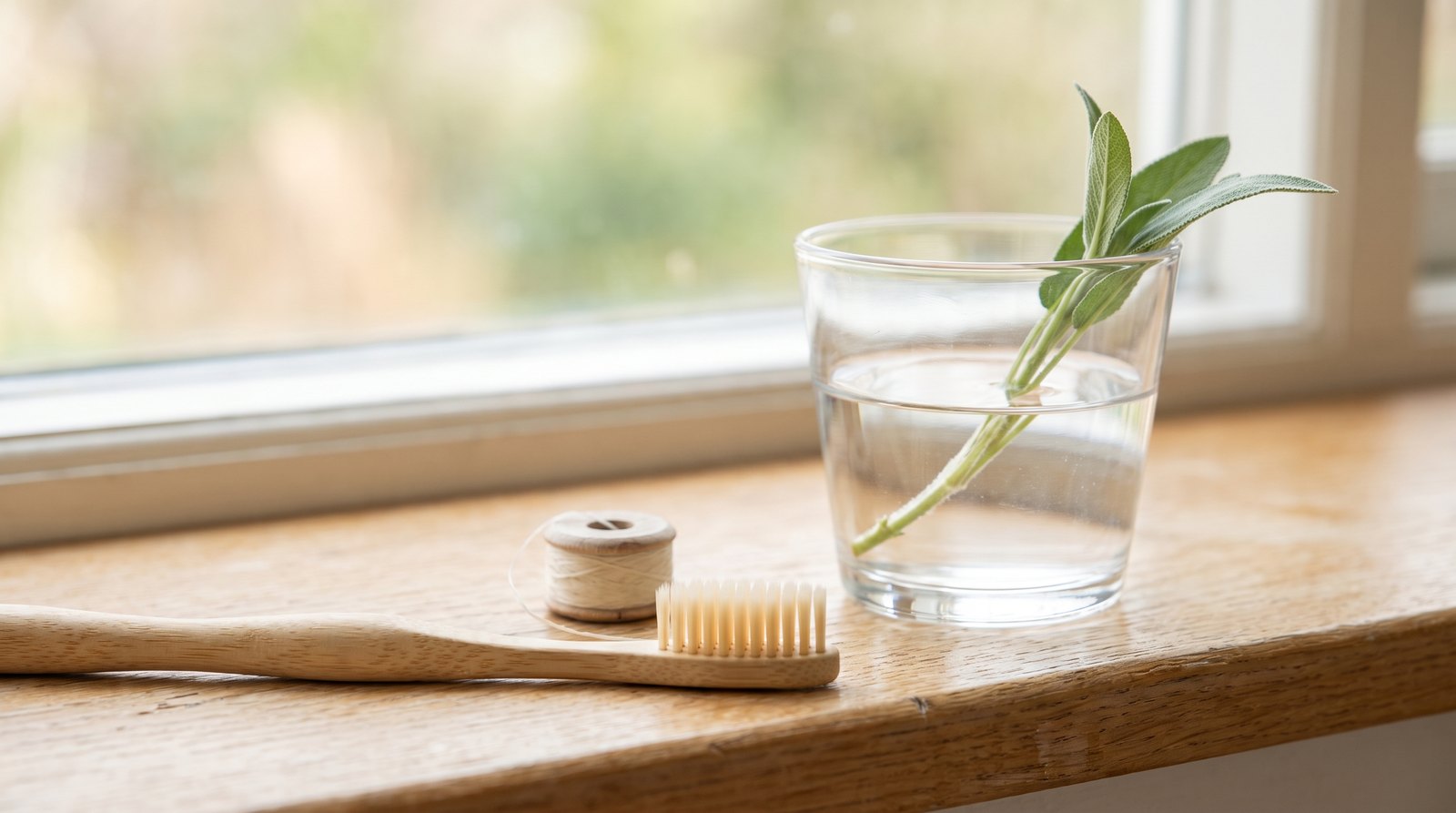
You can relieve most dry mouth at home by keeping your mouth moist and reducing the things that dry it out. Sip water often through the day, chew sugar-free gum to prompt saliva, limit caffeine and alcohol, and run a humidifier at night. These simple habits ease symptoms and help protect your teeth at the same time.
Small changes add up. Sugar-free gum or lozenges, especially ones with xylitol, encourage your glands to produce saliva and can freshen your mouth between meals. Over-the-counter saliva substitutes and moisturizing rinses made for dry mouth can help too, and it is worth choosing an alcohol-free rinse, since alcohol tends to dry things further.
Everyday habits that help
These steps are easy to build into a normal day, and most people notice a difference fairly quickly.
Keep water nearby and sip it steadily rather than gulping occasionally
Chew sugar-free gum or suck on sugar-free lozenges to spark saliva
Cut back on caffeine, alcohol, and tobacco, which all dry the mouth
Use an alcohol-free, fluoride mouth rinse made for dry mouth
Run a humidifier in your bedroom to add moisture overnight
If a medication seems to be the culprit, do not stop it on your own. Talk with the doctor who prescribed it, since there may be an alternative or a timing change that helps without giving up the benefit you need. We are always glad to coordinate with your physician on this, because the goal is comfort without losing the medicine you rely on.
How can a dentist help with dry mouth?
A dentist can help with dry mouth by finding the cause, protecting your teeth from the extra decay risk, and recommending treatments matched to how dry your mouth actually is. Dr. Lesko can prescribe stronger fluoride, suggest proven saliva substitutes, check for early cavities, and coordinate with your doctor when a medication is involved.
Because dry mouth speeds up decay, the dental focus is on defence. That often means a prescription-strength fluoride to strengthen enamel, more frequent cleanings to stay ahead of problems, and tailored home-care advice. Here is how we handle it at TLC: because we provide comprehensive general care in one place, from routine cleanings to fillings and root canals, we can catch and treat early decay during the same relationship rather than sending you elsewhere. If your dry mouth is tied to a health condition or a needed medication, Dr. Lesko will work around it and keep a closer eye on your teeth so small issues are caught early. We also bill the Canadian Dental Care Plan and other insurers directly, which makes it easier to keep the more frequent visits a dry mouth often calls for.
What a dry-mouth plan might include
Every mouth is different, so the plan is built around your causes and your risk. It may involve some of the following.
Prescription-strength fluoride to strengthen and protect enamel
Recommendations for saliva substitutes and gels that genuinely help
More frequent check-ups and cleanings to catch decay early
A closer look at the medications and conditions behind the dryness
When should you see a dentist about dry mouth?
You should see a dentist about dry mouth when it lasts more than a couple of weeks, keeps disrupting your sleep or meals, or comes with new sensitivity, cavities, or bad breath. Lasting dryness is not just uncomfortable. It quietly raises your decay risk, so a timely check-up helps protect your teeth before problems grow.
Occasional dryness after a salty meal or a nervous moment is normal and nothing to worry about. Persistent dryness is a different story. If sipping water no longer fixes it, or if you are starting new medications and notice the change, that is a good time to book a visit.
Come in soon, or safe to manage at home?
This is the question patients ask us most, so here is the honest line we use to sort it out.
Manage at home first: brief dryness after coffee, salty food, exercise, or a stressful moment that eases once you rehydrate
Try home steps for two weeks: mild but steady dryness with no pain, new cavities, or trouble swallowing
Book a visit: dryness lasting longer than two weeks, or dryness that starts with a new medication
Book sooner: new sensitivity, decay near the gum line, sore or cracked tissue, or persistent bad breath
Do not wait: trouble swallowing, painful mouth sores that will not heal, or swelling of the salivary glands
This is general information, not a personal diagnosis, and an in-person exam is the way to know what is really going on.
Frequently Asked Questions
What causes dry mouth most often?
Medications are the most common cause of dry mouth, including many for blood pressure, allergies, depression, and pain. Aging, dehydration, smoking, mouth breathing, and health conditions such as diabetes or autoimmune disorders can also reduce saliva. Often more than one factor is at play, which is why an exam helps pinpoint yours.
Why is dry mouth bad for your teeth?
Dry mouth is bad for your teeth because saliva rinses away food, neutralizes acid, and delivers minerals that repair early damage. With less saliva, acids and bacteria linger longer, so cavities and enamel wear develop faster. This is why lasting dry mouth so often comes with new decay near the gum line.
How can I relieve dry mouth at home?
Sip water often, chew sugar-free gum to prompt saliva, and limit caffeine, alcohol, and tobacco. Use an alcohol-free rinse or saliva substitute made for dry mouth, and run a humidifier at night. If a medication seems responsible, talk to your doctor rather than stopping it on your own.
When should I see a dentist about dry mouth?
See a dentist when dry mouth lasts more than a couple of weeks, disrupts your sleep or meals, or comes with new sensitivity, cavities, or bad breath. Lasting dryness quietly raises your decay risk, so a timely check-up lets Dr. Lesko protect your teeth before small problems grow into bigger ones.
Talk it through with Dr. Kyle Lesko in Leduc
If a dry mouth has been bothering you, the team at TLC Family Dental Centre in Leduc is here to help you find the cause and protect your smile. Book your visit online or call us at 780.980.5115, and Dr. Kyle Lesko will look at things in person and walk you through a plan that fits you. You will find our office at 5209 Discovery Way #4 in Leduc, and we welcome patients from Leduc and across the greater Edmonton area.
About
Featured Posts




Explore Topics