Does My Child Need Braces? Signs to Watch For
Your child may need braces if their teeth look crowded or crooked, sit with noticeable gaps, or if their bite seems off, such as an overbite, underbite, or crossbite. Trouble chewing, mouth breathing, and jaw shifting can also be signs worth checking.

Dr. Kyle Lesko

The quick version
The most common signs a child may need braces are crowded or crooked teeth, gaps between teeth, and a bite that does not line up, such as an overbite, underbite, or crossbite.
Canadian and orthodontic guidance suggests a first orthodontic check around age 7.
Braces straighten crooked or crowded teeth, close gaps, and correct bite problems like overbites, underbites, and crossbites.
The two main treatment options are traditional braces and clear aligners.
Your child may need braces if their teeth look crowded or crooked, sit with noticeable gaps, or if their bite seems off, such as an overbite, underbite, or crossbite. Trouble chewing, mouth breathing, jaw shifting, and baby teeth lost very early or very late can also be signs worth checking.
Most of these signs are easy to miss in day-to-day life, which is why a watchful eye at regular checkups matters so much. Below, we walk through the signs to look for, when a first orthodontic check makes sense, what braces actually fix, the treatment options, and what waiting can mean. Dr. Kyle Lesko helps families across Leduc and the greater Edmonton area understand their child's bite and decide on the right next step.
What are the signs a child may need braces?
The most common signs a child may need braces are crowded or crooked teeth, gaps between teeth, and a bite that does not line up, such as an overbite, underbite, or crossbite. Difficulty chewing, frequent mouth breathing, and a jaw that shifts to one side when biting are also worth a closer look.
Some signs are easy to spot at home, while others show up only during a dental exam. You might notice your child struggling to bite into food, or see that their front teeth do not meet evenly. Other clues, like how the back teeth fit together or whether the jaw is growing evenly, usually need a trained eye to catch early.
Signs worth watching for at home
You do not need to diagnose anything yourself. Simply noticing these signs gives you a useful starting point for a conversation with your dentist at the next visit.
Teeth that look crowded, overlapping, or clearly crooked
Noticeable gaps or spaces between teeth
An overbite, underbite, or crossbite where the teeth do not line up
Difficulty chewing or biting into food
Frequent mouth breathing rather than breathing through the nose
Lingering effects from long-term thumb-sucking
Baby teeth lost much earlier or much later than expected
A jaw that seems to shift or click when your child bites down
At what age should a child first see an orthodontist?
Canadian and orthodontic guidance suggests a first orthodontic check around age 7. By then, enough permanent teeth and jaw growth are in place that a dentist or orthodontist can spot developing problems early, even though many children do not begin actual treatment until later, once more permanent teeth have come in.
An early check does not mean early braces. In most cases, it simply gives your dental team a baseline so they can watch how the teeth and jaw grow over time. If something is developing that may benefit from earlier attention, catching it sooner gives you and your dentist more options. If everything looks on track, you carry on with regular checkups and revisit the question later.
For many families, this early monitoring happens naturally as part of routine children's dentistry, so there is no separate step to remember. The goal is simply to keep an eye on things while your child grows.
What problems do braces fix?
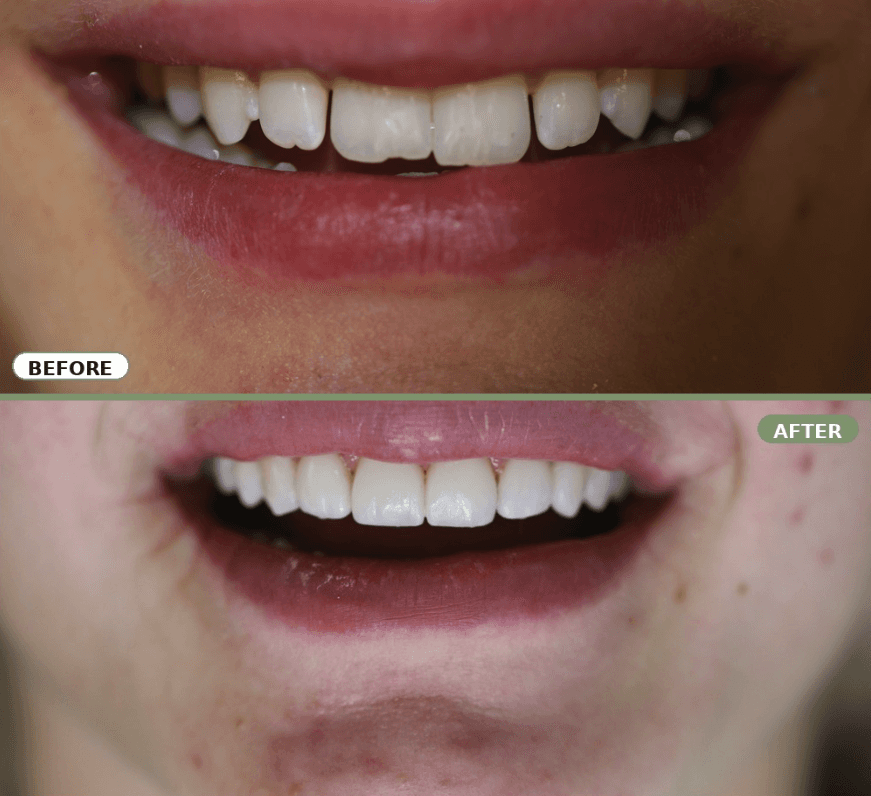
Braces straighten crooked or crowded teeth, close gaps, and correct bite problems like overbites, underbites, and crossbites. They guide teeth into better positions and help the upper and lower teeth meet more evenly. A more even bite can make chewing easier and make teeth simpler to keep clean over the long term.
Beyond appearance, a well-aligned bite has practical benefits. Teeth that are straight and properly spaced are often easier to brush and floss, which can support healthier gums. When the bite lines up well, chewing tends to feel more comfortable, and pressure is spread more evenly across the teeth rather than concentrated on a few.
Common concerns braces can address
Every child is different, and not every concern needs treatment. Still, these are the kinds of issues braces are commonly used to help with once a dentist or orthodontist has taken a full look.
Crowded teeth that overlap or twist for lack of space
Crooked teeth that have come in at an angle
Gaps and spaces between teeth
An overbite, underbite, or crossbite
A bite that makes chewing or cleaning harder than it should be
What are the treatment options for kids and teens?
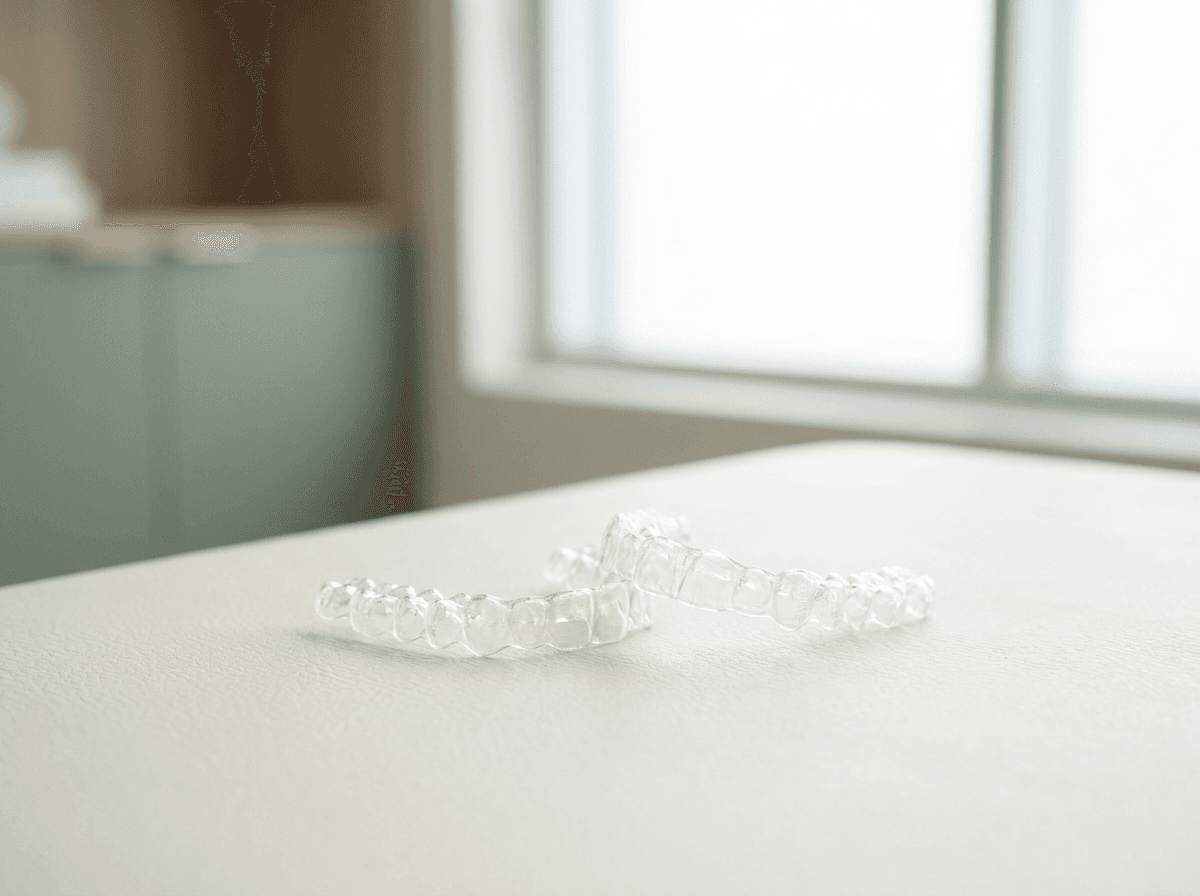
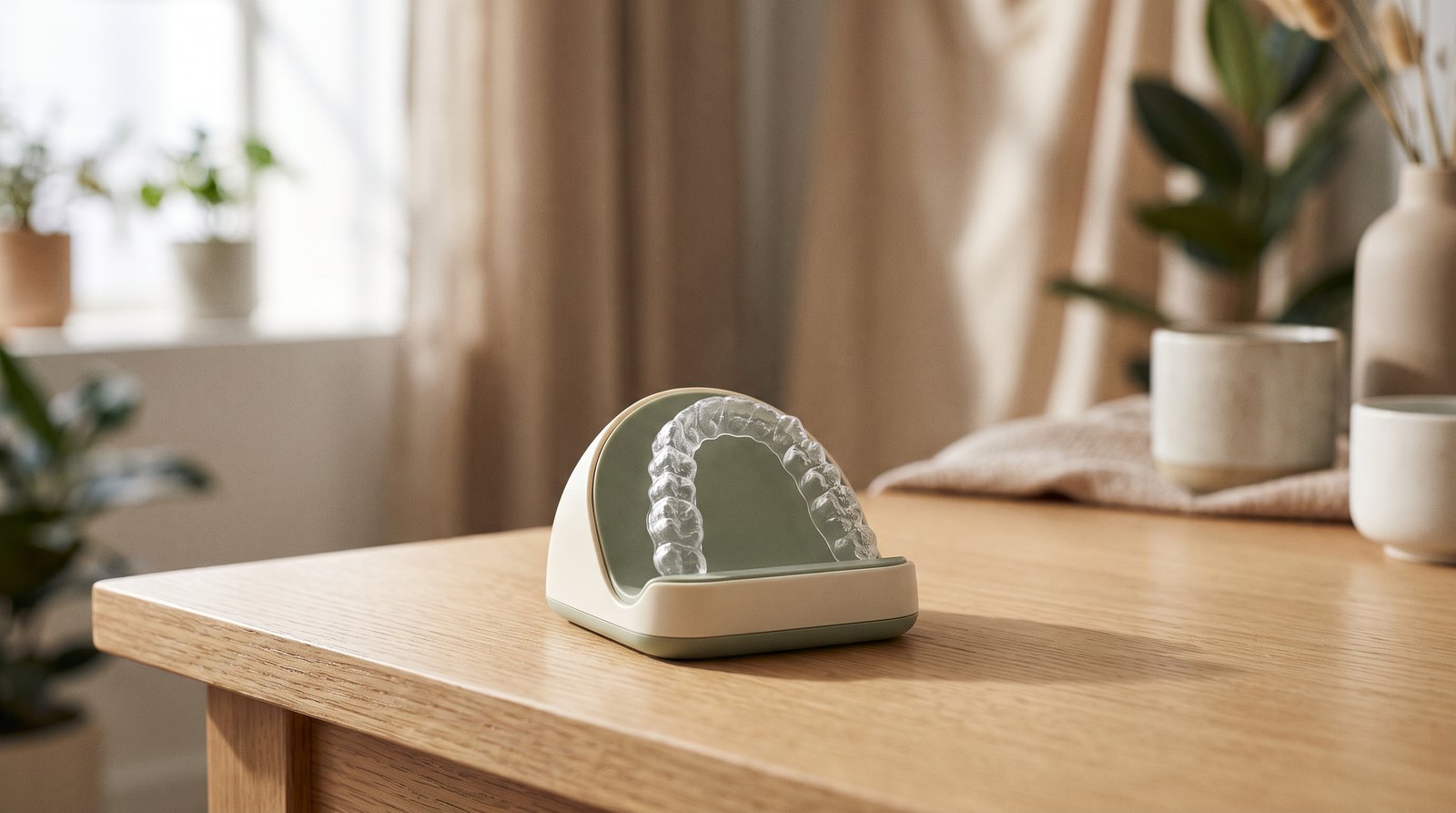
The two main treatment options are traditional braces and clear aligners. Traditional braces use brackets and wires to move teeth and suit a wide range of cases, including more complex ones. Clear aligners are removable trays that can work well for suitable teens with milder to moderate concerns, when a dentist or orthodontist agrees they are a good fit.
Traditional braces are a dependable choice because they handle many different bite and alignment issues. They stay on throughout treatment, so they do not rely on remembering to wear them. Clear aligners, by contrast, are removable and less noticeable, which some teens prefer, though they only work if they are worn consistently as directed.
Whether clear aligners are appropriate depends on the specifics of your child's bite and their stage of development. If you are curious about clear aligners in Leduc, the best starting point is an exam, so the right approach can be matched to your child rather than chosen in advance. What works beautifully for one teen may not be the best fit for another.
What happens if you wait too long?
Waiting too long can allow some orthodontic problems to settle in or gradually worsen. Crowding can become more pronounced, certain bite issues can become harder to address, and habits like mouth breathing or jaw shifting may continue. Catching concerns earlier does not always mean treating earlier, but it does keep more options open.
This is not a reason to panic if your child has not yet had an orthodontic check. Many people start treatment as teens, or even as adults, and still get good results. The point is simply that monitoring along the way helps your dental team notice changes while there is the most flexibility to plan around your child's growth.
There is also a comfort and confidence side to consider. Some children feel self-conscious about crowded or crooked teeth, and addressing concerns at a sensible time can help. Your dentist can guide you on timing so you are neither rushing nor missing a helpful window.
Talking to your dentist about your child's bite
The simplest way to know whether your child needs braces is to raise it at a regular checkup. A family dentist watches how the teeth and jaw are developing over time and can flag changes early. When orthodontic care is the right step, your dentist refers you to the appropriate provider with a clear sense of what to look at.
You do not need to wait for a problem to feel obvious before asking. Bringing up anything you have noticed at home, such as crowding, a shifting jaw, or trouble chewing, gives your dentist a helpful head start. Together, you can decide whether to keep watching, gather more information, or move ahead with a referral.
Questions you can ask at the next visit
Coming in with a few questions makes the conversation easier and helps you feel informed about your child's bite.
Does my child's bite look like it is developing evenly?
Are there any signs we should keep an eye on for now?
Is this a good time for a first orthodontic check, or should we wait?
If treatment is needed later, what options might suit my child?
This is general information, not a personal diagnosis. Every child's mouth grows differently, so the clearest answers come from an in-person look at your child's teeth and bite.
Frequently Asked Questions
What are the signs a child may need braces?
Common signs include crowded or crooked teeth, gaps between teeth, and bite problems like an overbite, underbite, or crossbite. Difficulty chewing, frequent mouth breathing, a jaw that shifts when biting, and baby teeth lost very early or very late are also worth checking. A dental exam can confirm what is happening.
At what age should a child first see an orthodontist?
Orthodontic guidance suggests a first check around age 7, when enough teeth and jaw growth are in place to spot developing issues early. This does not mean braces start then. Many children begin treatment later, once more permanent teeth have come in, while the early visit simply sets a helpful baseline.
What are the treatment options for kids and teens?
The two main options are traditional braces, which use brackets and wires and suit a wide range of cases, and clear aligners, which are removable trays that can work for suitable teens with milder concerns. The right choice depends on your child's bite and development, so an exam guides the decision.
What happens if you wait too long to treat braces?
Waiting can let some problems, like crowding or certain bite issues, gradually worsen or become harder to address. That said, many people start treatment as teens or adults with good results. Regular checkups help your dentist notice changes early and keep more options open around your child's growth.
Talk it through with Dr. Kyle Lesko in Leduc
If you have been wondering whether your child needs braces, the team at TLC Family Dental Centre in Leduc is here to help. Book your visit online or call us at 780.980.5115, and Dr. Kyle Lesko will look at your child's teeth and bite in person and walk you through what makes sense. You will find our office at 5209 Discovery Way #4 in Leduc, and we welcome patients from Leduc and across the greater Edmonton area.
About
Featured Posts




Explore Topics