Are Dental Implants Painful? What to Expect During and After
Are dental implants painful? For most people, placement is not painful because the area is fully numbed with local freezing. The real soreness comes in the day or two after, and it is usually mild and manageable.

Dr. Kyle Lesko
The quick version
During placement, a dental implant is generally not painful, because your dentist numbs the entire area with local anaesthetic first.
The most uncomfortable part of getting a dental implant is usually the soreness in the day or two after surgery, once the freezing wears off, rather than anything during the procedure.
For many patients, a tooth extraction and a dental implant feel surprisingly similar, and some find the implant more comfortable.
Most discomfort after implant surgery responds well to simple care in the first few days.
Are dental implants painful? For most people, the implant placement itself is not painful, because the area is fully numbed with local freezing, and many patients say it feels easier than they expected. You feel pressure and movement, but not sharp pain. Mild soreness afterward is normal and usually settles within a few days.
If you are nervous about implant surgery, you are in good company. The fear of pain stops many people from replacing a tooth they have lived without for years. Knowing what actually happens, step by step, tends to calm those nerves. Below, Dr. Kyle Lesko explains what the procedure feels like, which moments patients find least comfortable, and how implant placement compares to a tooth extraction.
Are dental implants painful during the procedure?
During placement, a dental implant is generally not painful, because your dentist numbs the entire area with local anaesthetic first. You stay awake and aware, but the part of your mouth being treated is completely frozen. Most people feel firm pressure and some vibration, not the sharp pain they imagined.
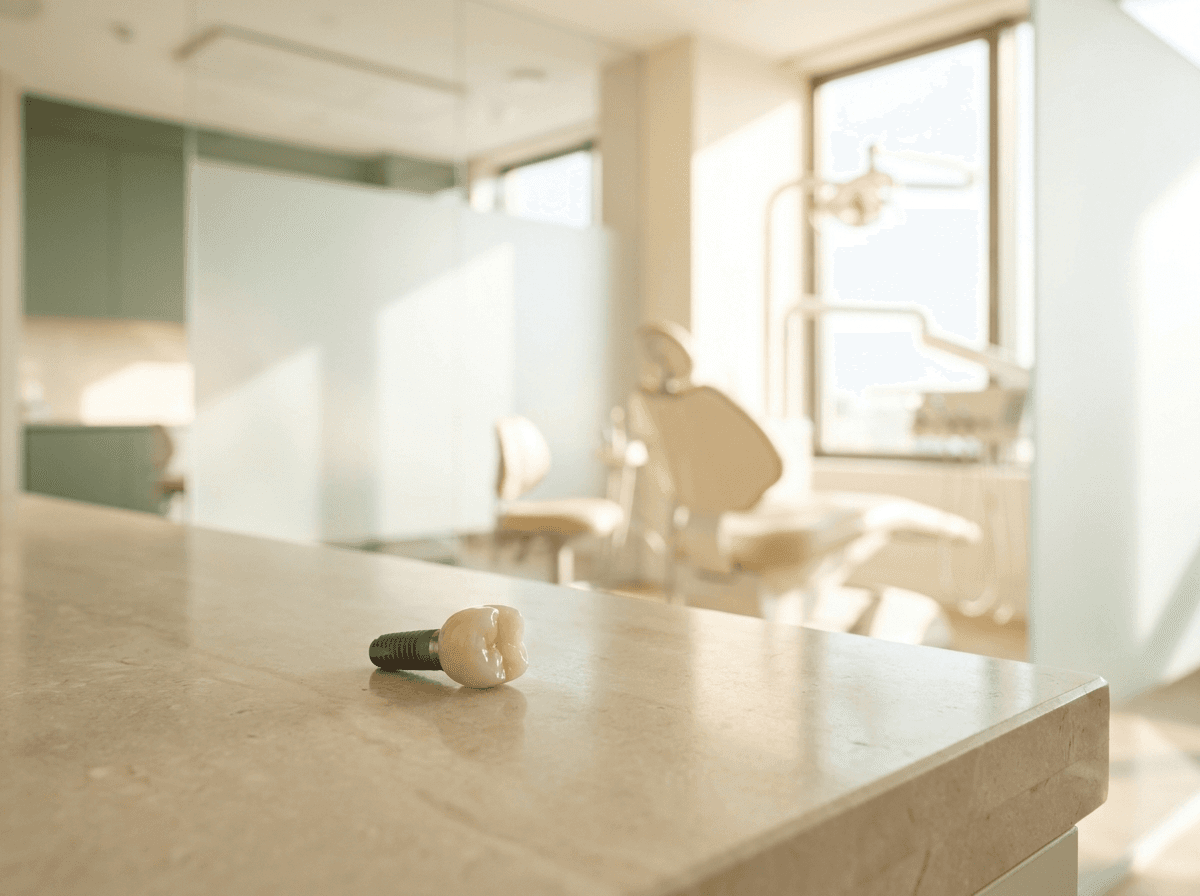
The implant is a small post that takes the place of a missing tooth root. To put it in, Dr. Lesko makes a small opening in the gum and prepares a space in the bone. That sounds intense written down, but the bone itself has no pain sensors the way a sore tooth does. Once you are frozen, the work happening at the site is felt as movement rather than hurt.
Many patients tell us the hardest part was the waiting and worrying beforehand, not the appointment itself. If you have ever had a filling or a crown, the level of freezing is similar. You can raise your hand at any point, and we add more anaesthetic if you feel anything sharp. Comfort during the visit is something we check on the whole time.
What does oral sedation add for anxious patients?
For patients who feel real dread, TLC Family Dental Centre offers oral sedation. You take a prescribed medication before your appointment that helps you feel calm, relaxed, and far less aware of time passing. You stay awake and able to respond, but the edge of anxiety softens, and the visit tends to feel like it goes by quickly.
Oral sedation pairs with the local freezing, so you get both calm nerves and a numb site. It is a good option if dental anxiety has kept you away, or if the idea of any surgery makes your heart race. Dr. Lesko reviews your health history first to confirm it is a safe choice for you. You will need someone to drive you home, since the medication lingers for a while.
What is the most uncomfortable part of getting a dental implant?
The most uncomfortable part of getting a dental implant is usually the soreness in the day or two after surgery, once the freezing wears off, rather than anything during the procedure. Many people compare it to the ache after a tooth extraction. It is manageable for most patients with simple pain relief and rest.
Here is what tends to bother people, roughly in order, and what to expect from each:
The freezing needle. The pinch of the anaesthetic going in is brief. We can apply a numbing gel first so you barely feel it.
Pressure during placement. You feel pushing and the dentist working, which can feel strange but should not hurt. This is the part people brace for and then find easier than they pictured.
Soreness after the freezing fades. A few hours later, the treated area feels tender, a bit like a bruise. For most patients, this is the genuine peak of discomfort.
Swelling and a stiff jaw. Some swelling and tightness around the area is normal for a few days and settles on its own.
Notice that the toughest moment lands after you go home, not in the chair. That is actually reassuring for many nervous patients. The active work happens while you are numb, and the soreness that follows is the predictable, treatable kind. If you want a fuller picture of the days that follow, this post on what recovery is really like walks through it gently.
Is a tooth extraction or a dental implant worse?
For many patients, a tooth extraction and a dental implant feel surprisingly similar, and some find the implant more comfortable. Both are done with the area fully frozen, and both leave you sore for a few days afterward. The discomfort is in the same family, so if you have had a tooth pulled, you already have a sense of what to expect.
There is a fair reason an implant can feel gentler than expected. A tooth being extracted is often already infected, cracked, or painful, so the tissue around it is irritated before you even sit down. An implant goes into healthy, prepared bone with no inflamed nerve involved. Dr. Lesko often points out that removing a problem tooth can be the more eventful part, while placing the implant later is calmer and more controlled.
Everyone heals a little differently, so this is not a promise about your own experience. Some people barely notice an implant site, while others feel more tenderness. What stays consistent is that the discomfort is short-lived and predictable for most patients. If you are weighing your options, our overview of replacing a missing tooth with an implant covers how the full process fits together.
What helps with discomfort after implant surgery?
Most discomfort after implant surgery responds well to simple care in the first few days. Over-the-counter pain relief, cold compresses, soft foods, and gentle rest cover what the majority of patients need. Following the aftercare instructions closely keeps you comfortable and protects the healing site. Sharp or worsening pain is uncommon and worth a call to us.
A few habits make those first days easier:
Take pain relief on schedule. Staying ahead of soreness works better than waiting for it to build. Dr. Lesko will advise what is right for you.
Use a cold compress. Twenty minutes on, twenty minutes off against your cheek calms swelling on the first day.
Eat soft and cool. Think yogurt, smoothies, soup that is not hot, and scrambled eggs. Chew on the other side and avoid the implant area.
Rest and avoid strain. Skip heavy lifting and hard workouts for a couple of days so the site can settle.
Keep it clean gently. Follow the rinsing and brushing guidance we give you, being careful around the surgical area.
Most people are back to their normal routine and eating comfortably sooner than they feared. If discomfort grows instead of fading, or you notice anything that worries you, call us. Checking in is never a bother, and catching a small concern early keeps your recovery smooth.
Why caring for the implant matters for long-term comfort
Once healed, a well-cared-for implant can feel and function much like a natural tooth, with a high long-term success rate when you maintain it. Good brushing, flossing, and regular checkups protect the gum and bone that hold it in place. Looking after it well supports comfortable, lasting use for years to come.
This is part of why Dr. Lesko takes time during your exam to confirm an implant suits your mouth and your habits. The goal is not just a comfortable surgery day, but a tooth that serves you quietly for many years. Built in Leduc and serving the greater Edmonton area, our team plans each case around your health, your bone, and how you want to feel when you smile and eat again.
Frequently Asked Questions
Are dental implants painful?
For most people, placing a dental implant is not painful, because the area is fully numbed with local freezing first. You feel pressure and movement, not sharp pain. Mild soreness in the day or two afterward is normal and usually eases with simple pain relief and rest.
What is the most uncomfortable part of getting a dental implant?
The most uncomfortable part is usually the tenderness once the freezing wears off, not the procedure itself. Many patients compare it to the ache after a tooth extraction. It tends to peak on the first day or two and then settles steadily as the area heals.
Which is worse, a tooth extraction or a dental implant?
For many patients they feel quite similar, and some find the implant more comfortable. Both are done with the area frozen and leave you sore for a few days. An implant goes into healthy, prepared bone, while an extracted tooth is often already painful or infected beforehand.
What helps with discomfort after implant surgery?
Over-the-counter pain relief, cold compresses on your cheek, soft cool foods, and gentle rest cover what most patients need. Taking pain relief on schedule and following your aftercare instructions keeps you comfortable. If pain grows instead of fading, call us so we can check on you.
Talk to Dr. Kyle Lesko about a comfortable implant plan
This is general information, and the only way to know what your own experience will be is an in-person exam, where comfort options, oral sedation, and a clear written estimate can be discussed (payment plans are available). If you are considering an implant, the team at TLC Family Dental Centre in Leduc is here to help. Book your consultation online or call us at 780.980.5115, and Dr. Kyle Lesko will walk you through what to expect at 5209 Discovery Way #4 in Leduc.
About
Featured Posts


Explore Topics